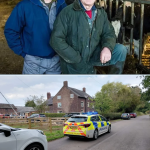
TIGER ALTAI WILL NOT BE EUTHANISED AFTER F@TAL ATT@CK AT YORKSHIRE WILDLIFE PARK — OFFICIAL DECISION SPARKS DEBATE
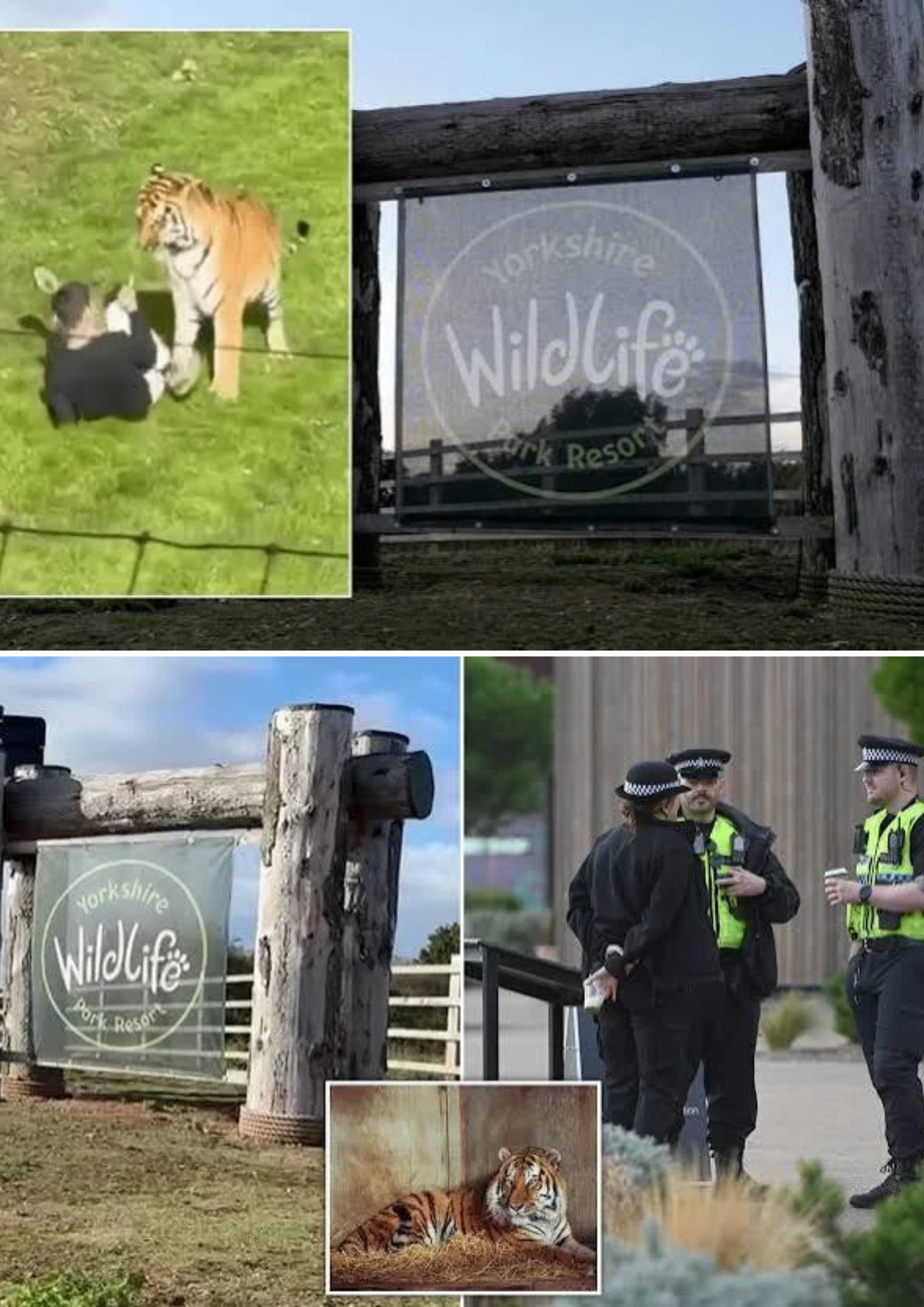
TIGER ALTAI WILL NOT BE EUTHANISED AFTER FATAL ATTACK AT YORKSHIRE WILDLIFE PARK — OFFICIAL DECISION SPARKS DEBATE
DONCASTER, ENGLAND — A fatal incident at Yorkshire Wildlife Park has prompted questions about visitor safety, wildlife conservation and the fate of Altai, an Amur tiger involved in the death of a man who entered the animal’s enclosure.
The incident occurred at around 1:35 p.m. on Saturday, October 10, 2026. South Yorkshire Police said they received reports that a man had entered the tiger enclosure. The animal subsequently attacked him, causing serious injuries. Despite the efforts of emergency medical personnel, the man was pronounced dead at the scene. His identity had not been publicly released in the initial police statement.
 THE PARK CONFIRMS ALTAI WILL REMAIN ALIVE
Following the tragedy, Yorkshire Wildlife Park confirmed that Altai was safe, had not been injured and would not be euthanised as a result of the incident.
The park also expressed its condolences to the man’s family and said staff members affected by the events would receive specialist support.
The announcement came as members of the public sought answers about what had happened inside the enclosure. The decision to spare Altai drew considerable attention online, with people debating the responsibilities of wildlife parks and how animals should be treated after fatal encounters with humans.
However, the park’s announcement did not establish that there had been an official decision to consider euthanasia before the statement was issued. The confirmed position is that Altai will not be put down because of this incident.
HOW DID THE INCIDENT HAPPEN?
Police confirmed that the man entered the tiger enclosure before being attacked. Witness accounts reported by British media suggested that he had been near the enclosure shortly beforehand and had asked someone to take a photograph of him with the tiger in the background.
The precise sequence of events remains subject to investigation. Authorities have urged the public not to circulate footage of the incident, out of consideration for the victim’s family and others affected by the tragedy.
The park was evacuated after the incident, and its staff worked with emergency services and investigators. The attraction remained closed while authorities examined what had happened.
 WHY IS ALTAI NOT BEING EUTHANISED?
Altai is an Amur tiger, a subspecies native to the Russian Far East and parts of northeast Asia. Amur tigers are endangered, and conservation programmes aim to protect their populations and preserve their genetic diversity.
The park has confirmed that Altai remains safe and well. It has not announced a plan to euthanise him, and the fact that a fatal incident occurred does not, by itself, establish that the animal should be killed.
The circumstances are also different from an incident in which an animal escapes and poses an ongoing danger to the public. Police said Altai remained inside his enclosure and that there was no wider risk to the public following the attack.
The decision has nevertheless raised difficult questions about enclosure security, visitor behaviour and the responsibility of facilities that care for powerful wild animals.
A TRAGEDY WITH CONSEQUENCES FOR MANY
For the victim’s family, the incident has brought an irreversible loss. Police said specialist officers were supporting his relatives and appealed for respect and privacy.
Park staff have also been affected by the incident, while the investigation will examine the circumstances surrounding the man’s entry into the enclosure.
As authorities continue their enquiries, the focus remains on understanding how the tragedy occurred and whether any safety measures require review.
Altai will remain at Yorkshire Wildlife Park, according to the park’s statement. The incident has left the public confronting a difficult reality: a fatal encounter involving a wild animal can bring grief and urgent questions about safety, without automatically determining what should happen to the animal afterwards.