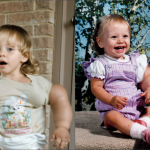
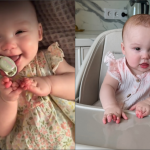
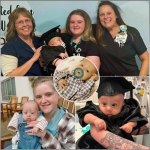
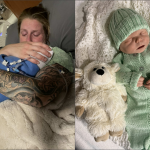
‘WE CAN’T SEE ANY ARMS’: MOM’S HEARTBREAKING DISCOVERY AS HER BABY IS BORN WITH RARE TAR SYNDROME — BUT HE’S PROVING NOTHING CAN HOLD HIM BACK!
When she arrived for yet another ultrasound at 24 weeks pregnant, the last thing this first-time mother expected was news that would change her family’s life forever.
On August 26, she and her husband were preparing to catch another glimpse of their unborn son, Henry Wyatt. But something felt different. After three consecutive weeks of additional scans, she had a growing sense that something was not right.
Then her doctor walked into the examination room with an expression she had never seen before.
‘We can’t see any arms,’ he told them.
At first, she struggled to understand what he meant. She repeatedly asked him to explain, desperately hoping there had been a mistake. But the doctor warned that their little boy appeared likely to be born without his upper limbs.
The couple returned home in a daze, spending much of the night sitting together, holding each other without knowing what to say.
The following day, they were referred to a specialist at a children’s hospital. The mother brought every ultrasound image from her pregnancy, searching through the pictures for any sign that the doctors might be wrong.
But further high-resolution scans confirmed the heartbreaking news: Henry would have hands emerging directly from his shoulders, without the usual arm bones.
‘I remember walking out of the doctor’s office feeling more numb than I had ever felt in my life. I couldn’t breathe, and I could barely walk without holding onto my husband’s arm,’ she recalled.
The couple later drove to a nearby beach, sitting quietly in their vehicle as they tried to process what they had just learned. The mother spent hours searching online for answers, desperately wanting to understand why this had happened to their baby.
Doctors suspected a rare genetic condition called Thrombocytopenia Absent Radius (TAR) syndrome. The condition can affect the development of the arms and cause dangerously low platelet counts, increasing the risk of bleeding.
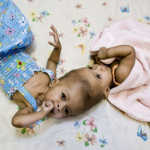
Further investigations revealed that Henry had an especially rare form, known as short-arm TAR syndrome, in which all three bones normally found in the arm are absent.
But beyond the medical uncertainty, the mother faced another overwhelming question: how would they learn to raise a child whose needs they knew so little about?
Looking back, she says her greatest fear was never about Henry being different. It was about whether she and her husband would be capable of giving him everything he deserved.
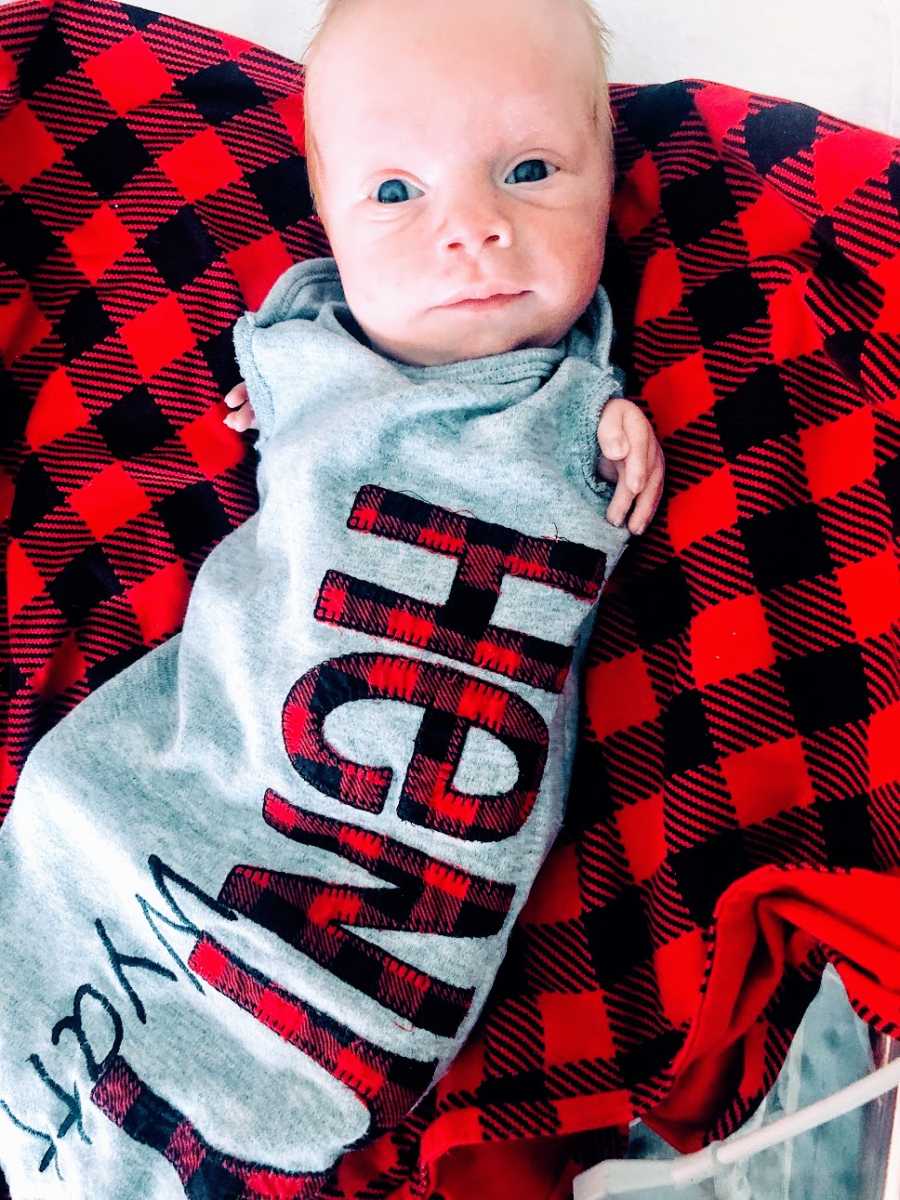
‘I kept asking myself, “How am I going to be a mother to a little boy who needs more than I can give him?” I wasn’t worried about his arms. I was worried that I wouldn’t be enough for him.’
Even the smallest details suddenly seemed complicated. She wondered how she would find suitable clothes for a baby without arms, especially with Henry due in December, when most sleeveless outfits were designed for warmer weather.
There were sleepless nights, tears and moments when the reality felt almost impossible to bear. But she eventually realised that she could not allow fear to define their family’s future.
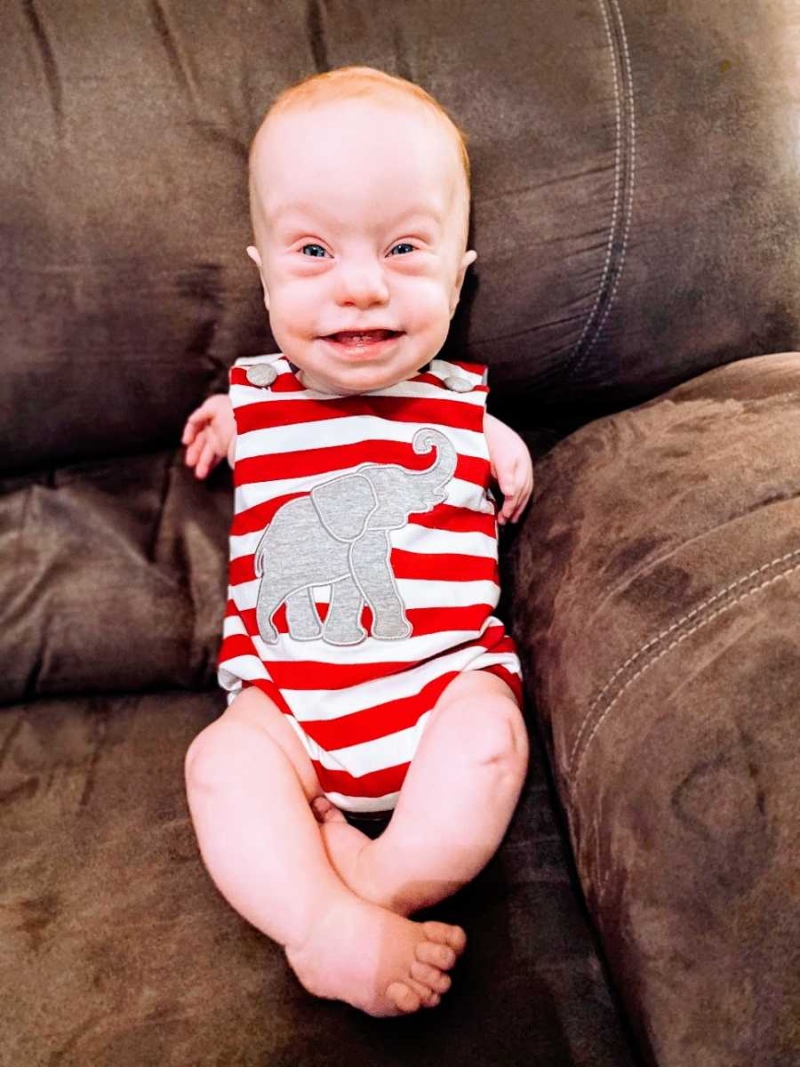
Determined to find answers, she discovered an online support community for families affected by TAR syndrome. There, she found parents who understood her fears and showed her that children with limb differences could grow, explore and lead fulfilling lives.
One mother, Christina, became a particularly important source of encouragement, helping her find the confidence to become the strongest advocate for her son.
Then, in December, the day they had been waiting for finally arrived.
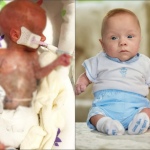
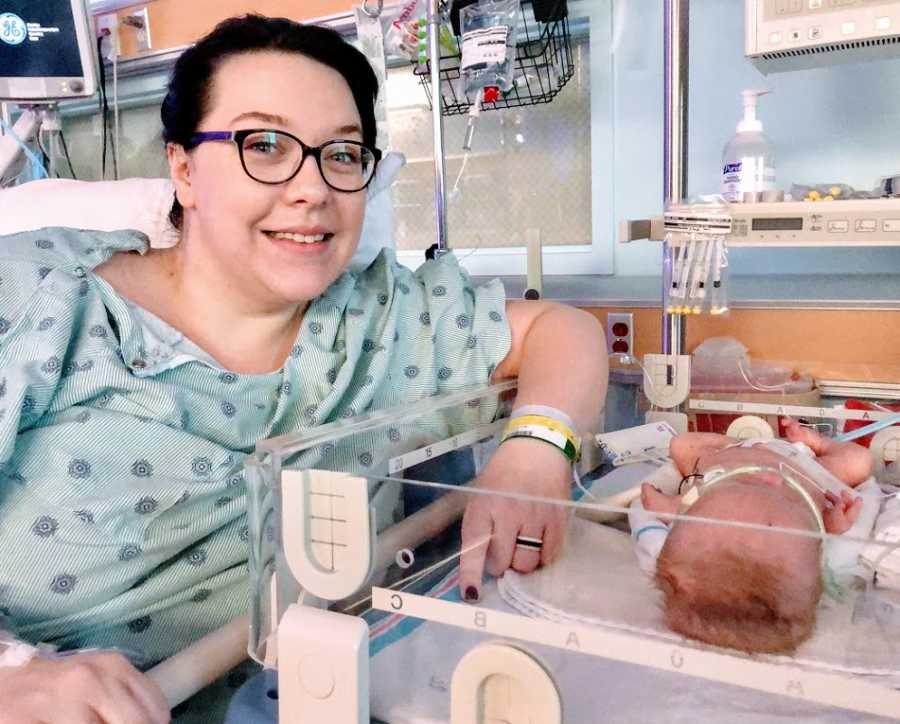
Henry Wyatt was delivered by C-section at 12.54pm, weighing 6.2lbs. Although his mother had hoped for a natural birth, doctors recommended surgery because they were concerned about his platelet levels and the potential risks.
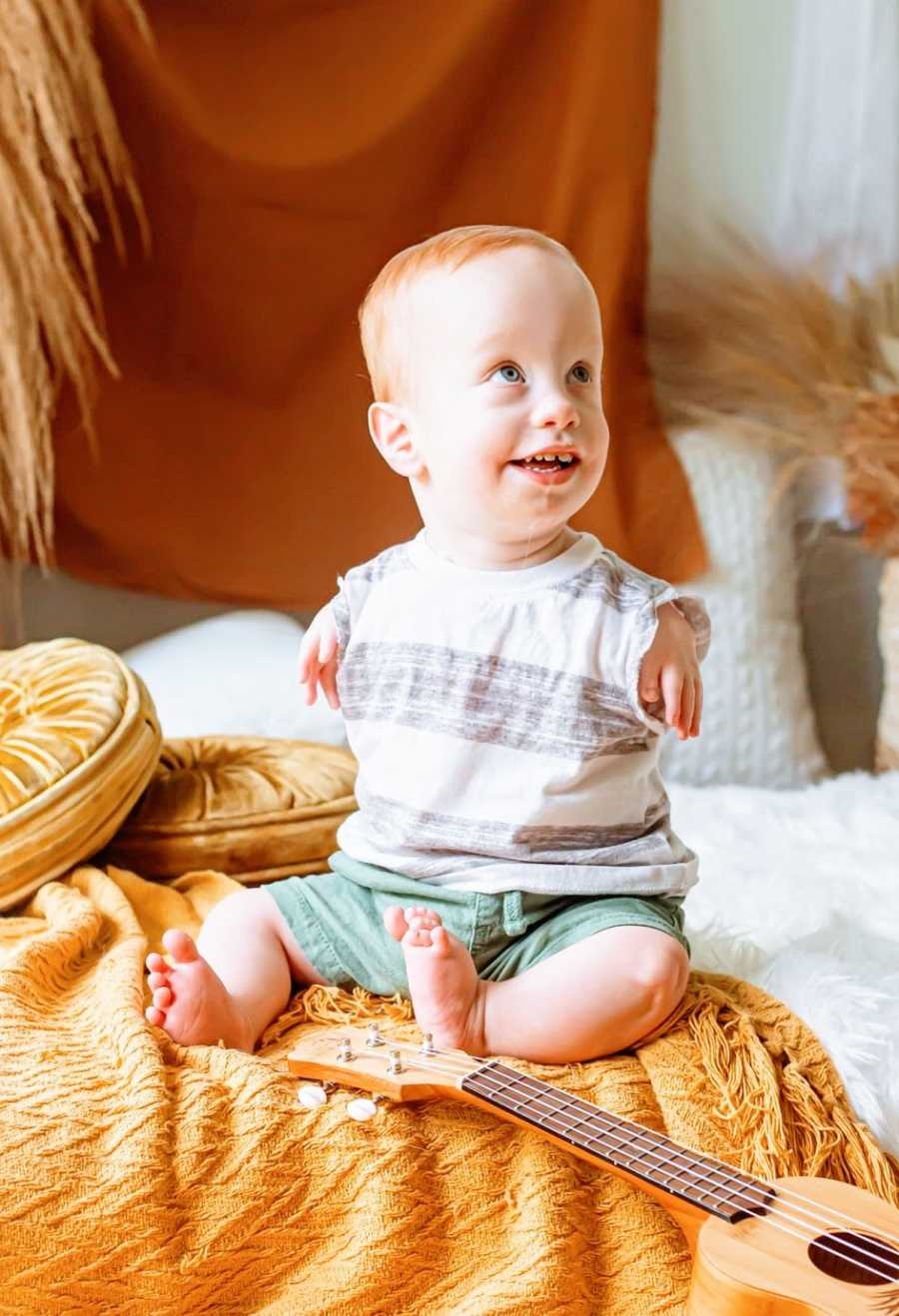
It proved to be an important decision.
Henry’s platelet count was just around 13,000, compared with the typical range of 150,000 to 450,000 in a healthy newborn. With such low levels, he required close medical monitoring and treatment.
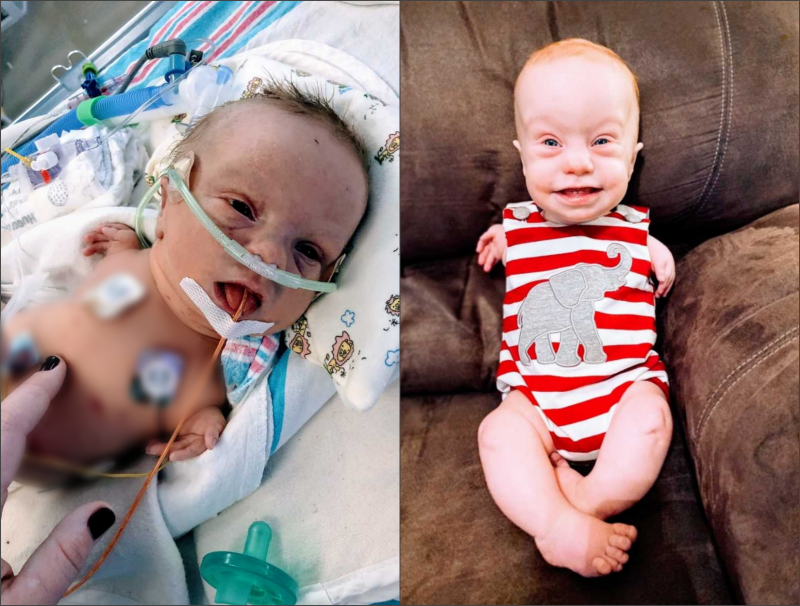
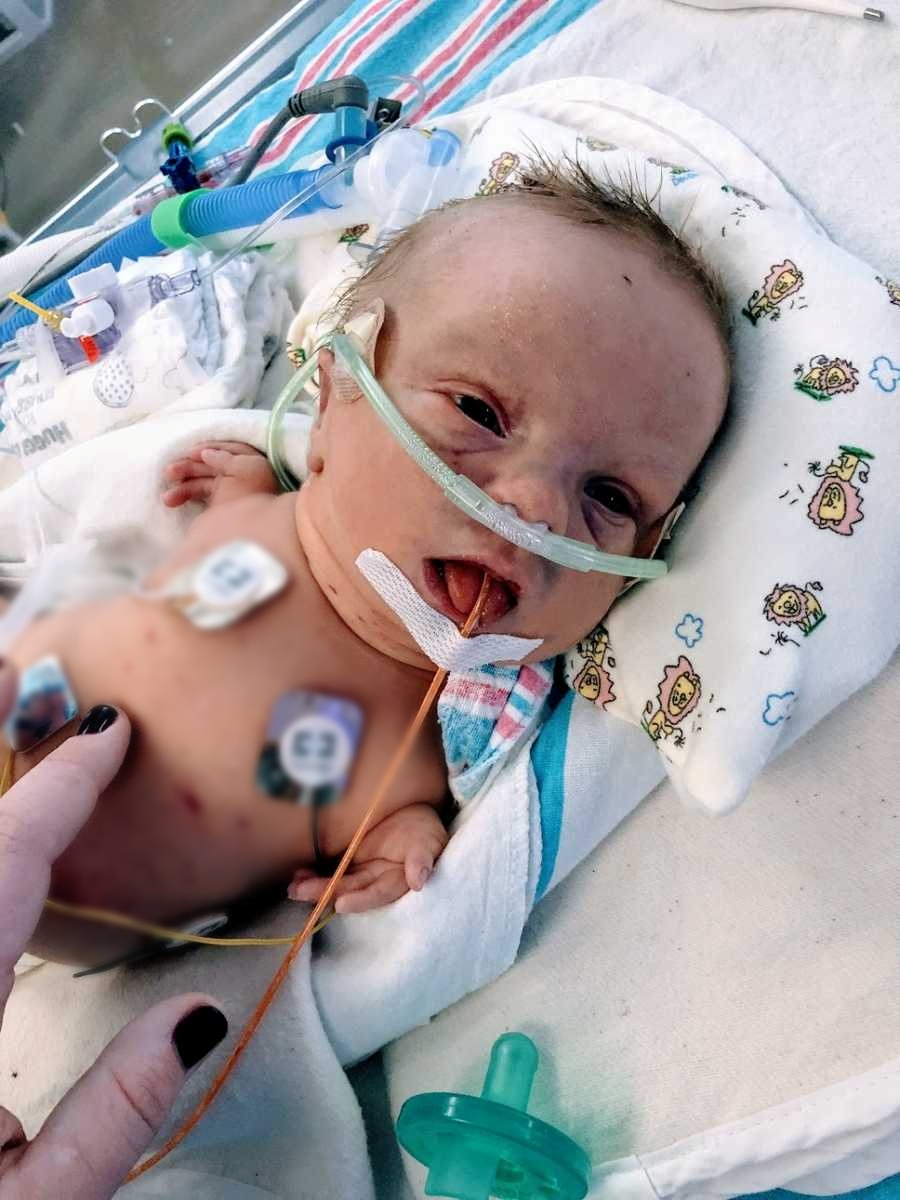
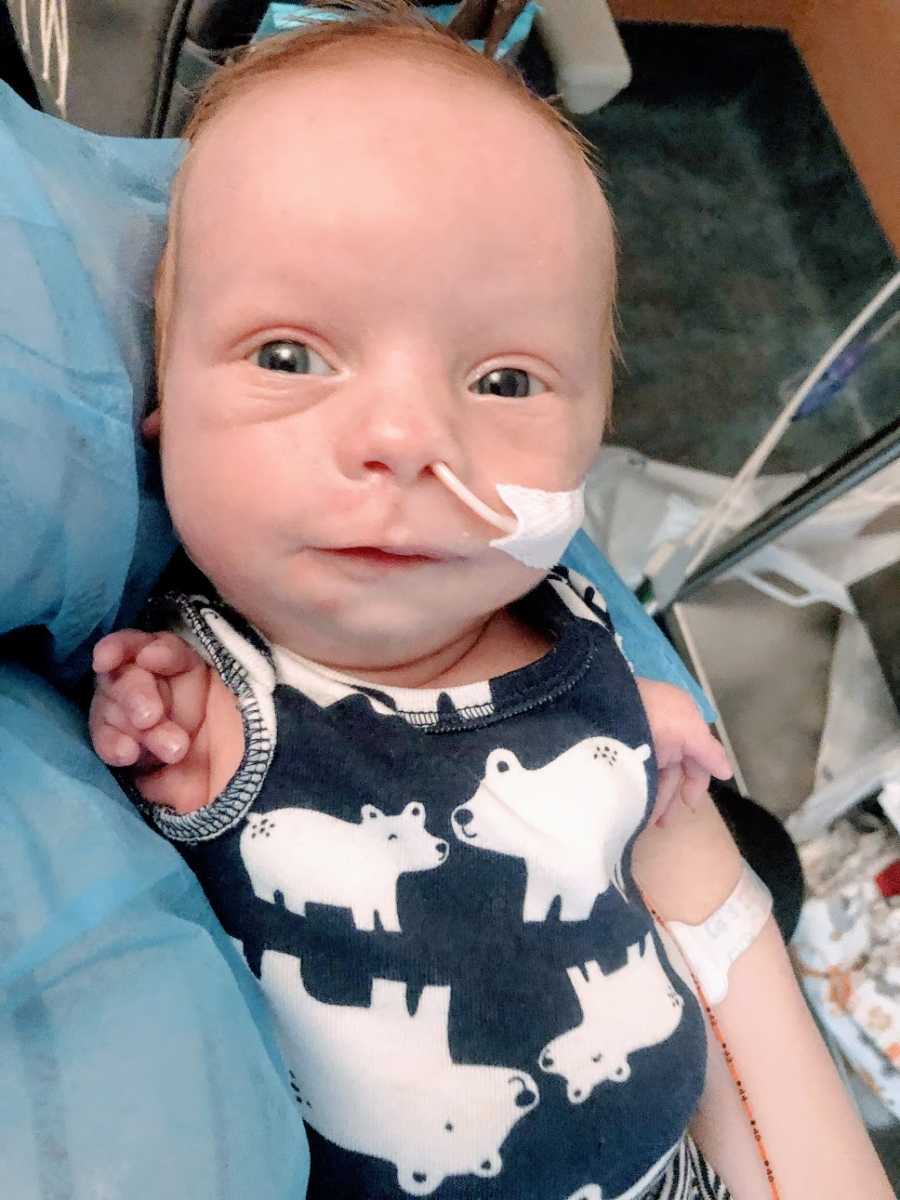
His first month was spent in the neonatal intensive care unit (NICU), where he underwent transfusions, blood tests and countless examinations.
The family finally went home on Christmas Day, believing they had made it through their first major battle. But just two days later, Henry was admitted again after doctors detected an elevated white blood cell count.
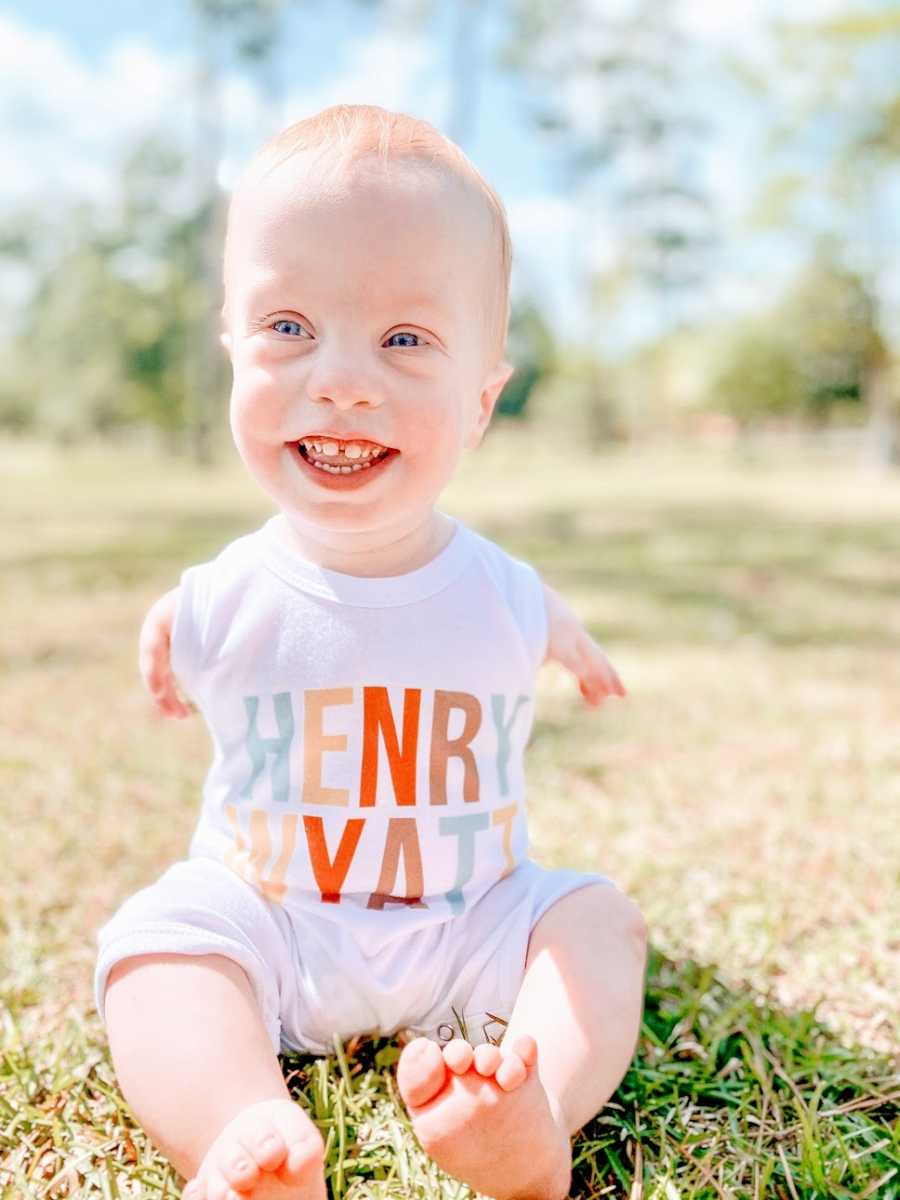
Another week in hospital followed, bringing more tests, intravenous lines and uncertainty.
Through it all, the NICU nurses became a lifeline for his parents. One nurse, Rachel, worked tirelessly with his mother to help establish breastfeeding despite Henry having severe lip and tongue ties.
Although he eventually struggled to latch and his mother switched to exclusively pumping, she continued providing breast milk for an entire year.
‘I will never forget the people who helped us through those early days. Their kindness made an enormous difference when we needed it most,’ she said.
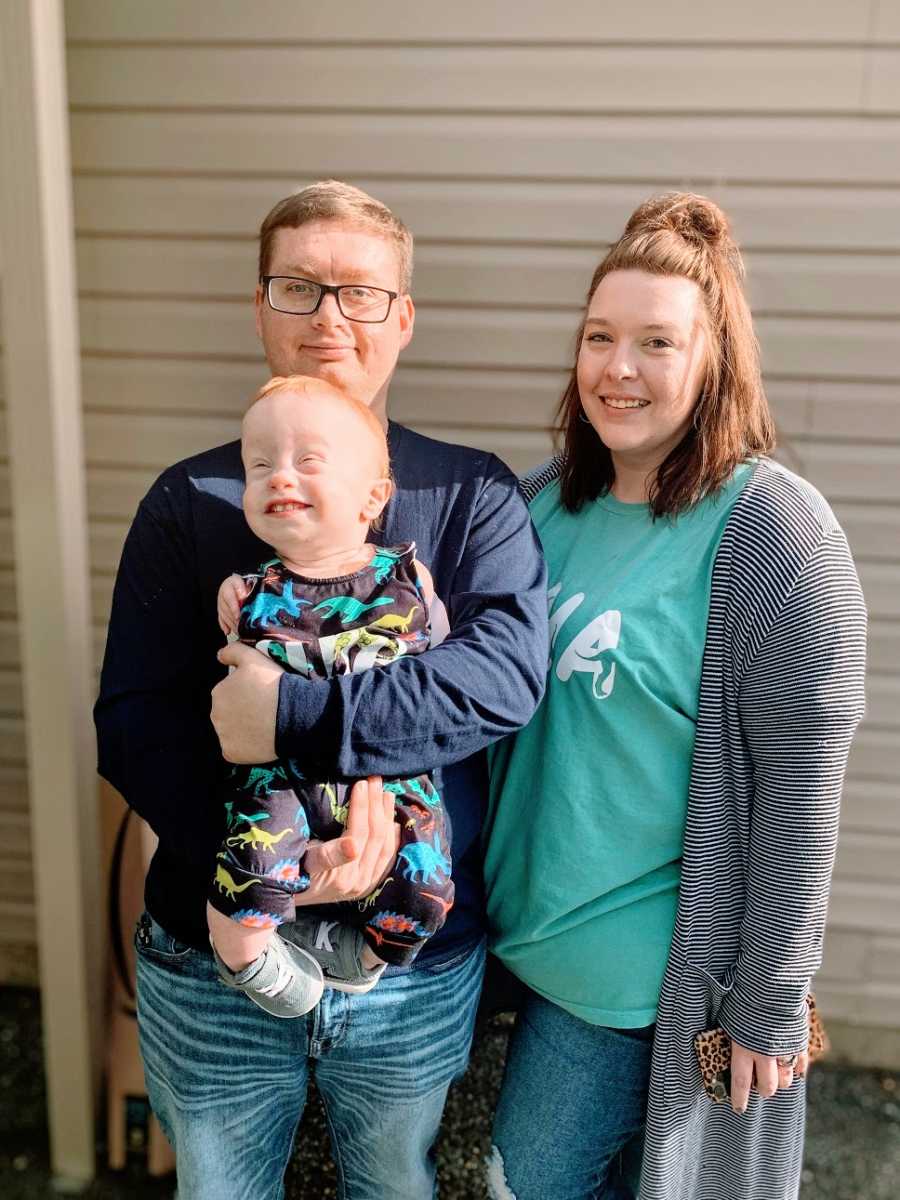
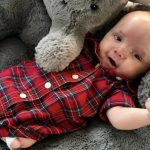
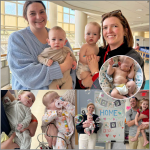
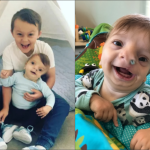
Now, at 18 months old, Henry is the little boy his parents once dreamed of meeting – full of personality, curiosity and an infectious love for life.
He loves scooting, bouncing and rolling around the house, with toy trucks among his favourite possessions. Unable to push them with his arms, he has found his own way of moving them across the floor using his feet.
He can feed himself and hold his own sippy cup, finding ways to accomplish everyday tasks that once seemed so daunting to his parents.
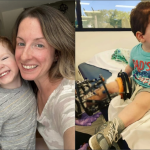
His journey has included five surgeries, countless medical appointments and more hospital stays than his family can remember. There will undoubtedly be challenges ahead, but his parents now look towards the future with a very different perspective.
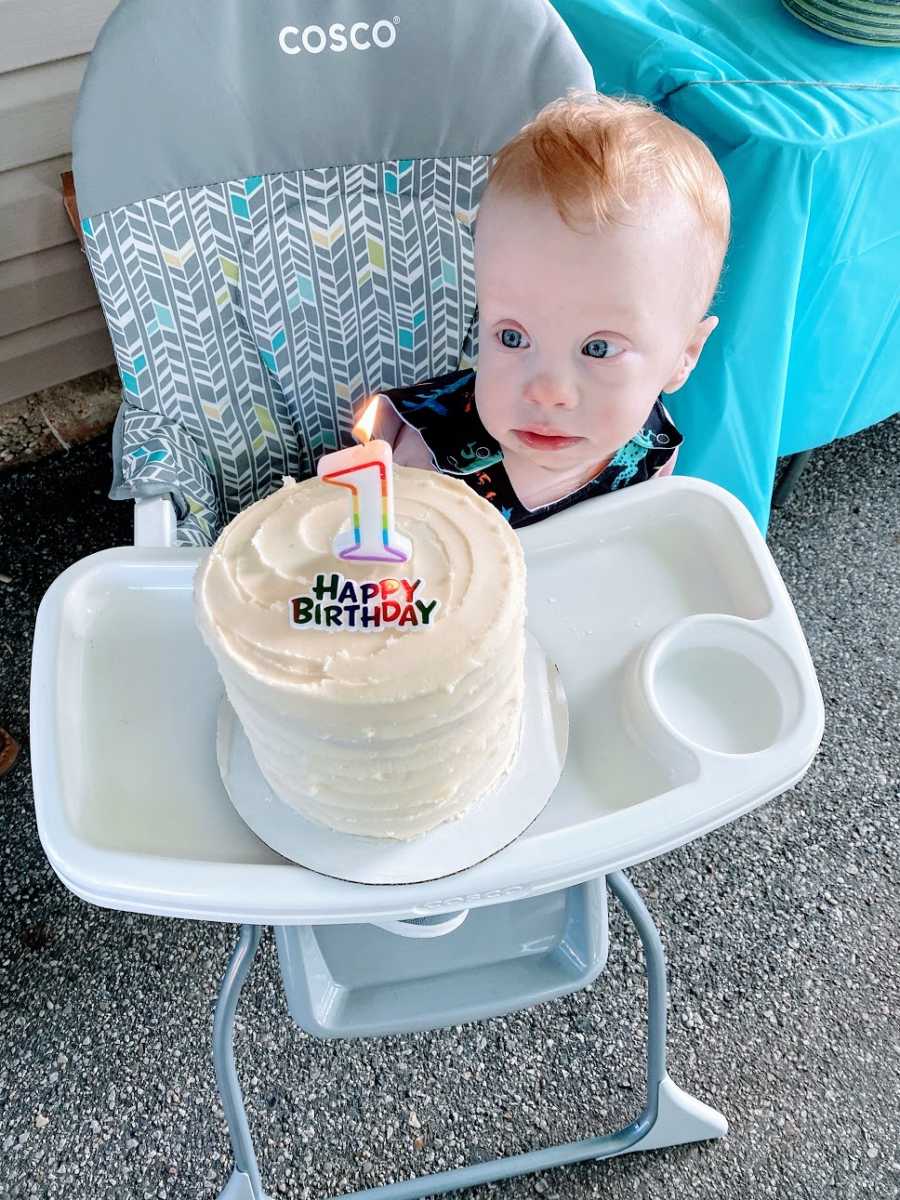
His mother admits that she sometimes finds herself simply watching him sleep, wondering about the person he will become.
‘The first time I saw him with my own eyes, I was in awe. We created this beautiful little boy, and he was ours forever. I cannot wait to see who he grows up to be.’
For the couple who once sat in a hospital parking lot struggling to imagine what life would look like, Henry has become their greatest lesson in resilience, unconditional love and the extraordinary ways children find their own paths.
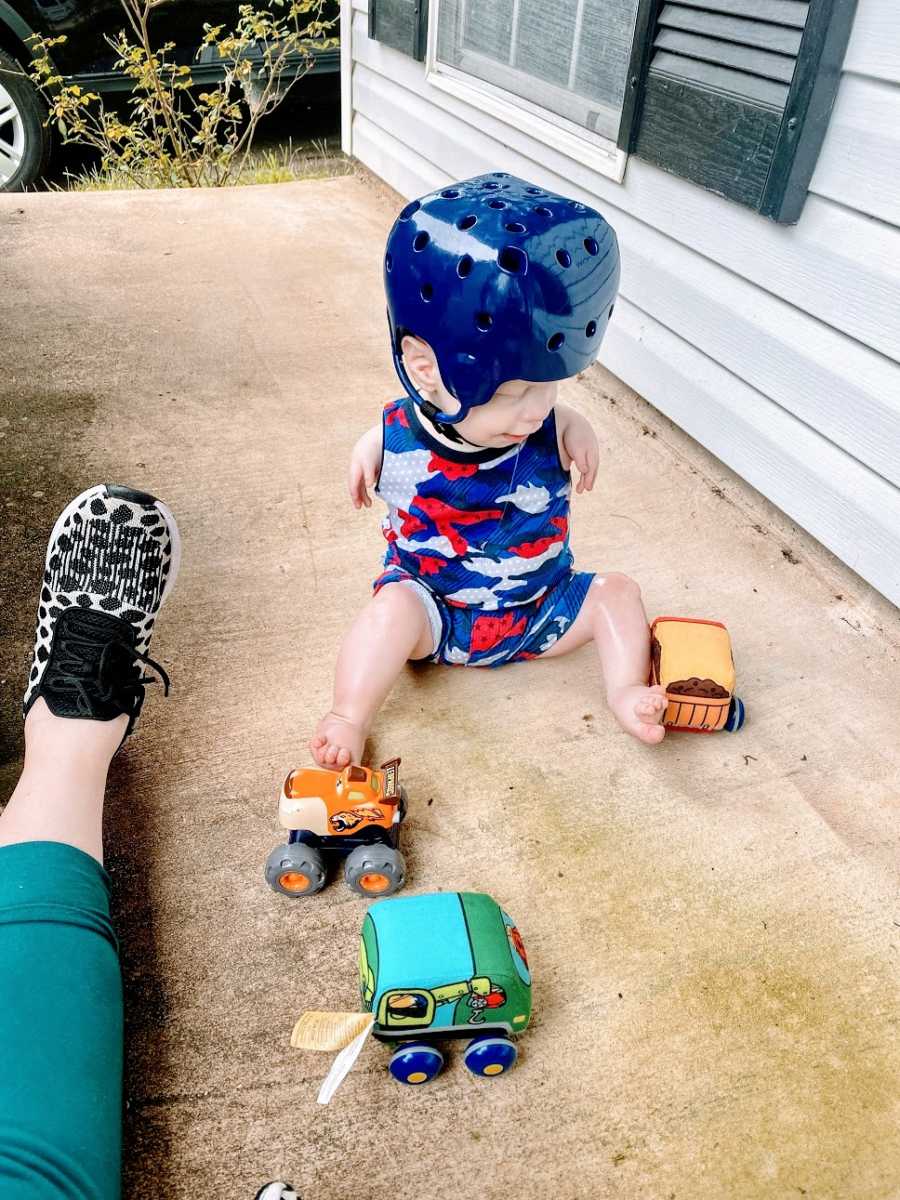
They know there will be difficult days, but they also know there will be countless reasons to celebrate.
And the family motto that has carried them through every challenge says it all:
‘No arms? No problem!’