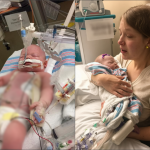
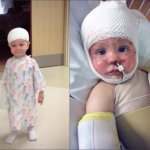
‘𝖧𝖨𝖲 𝖤𝖸𝖤𝖲 𝖶𝖤𝖱𝖤 𝖲𝖧𝖠𝖪𝖨𝖭𝖦, 𝖧𝖤 𝖶𝖠𝖲 𝖲𝖢𝖱𝖤𝖠𝖬𝖨𝖭𝖦’: 𝖡𝖠𝖡𝖸’𝖲 𝖳𝖤𝖱𝖱𝖨𝖥𝖸𝖨𝖭𝖦 𝖲𝖸𝖬𝖯𝖳𝖮𝖬𝖲 𝖱𝖤𝖵𝖤𝖠𝖫𝖤𝖣 𝖳𝖧𝖤 𝖣𝖤𝖵𝖠𝖲𝖳𝖠𝖳𝖨𝖭𝖦 𝖡𝖱𝖠𝖨𝖭 𝖢𝖠𝖭𝖢𝖤𝖱 𝖳𝖧𝖠𝖳 𝖶𝖮𝖴𝖫𝖣 𝖢𝖧𝖠𝖭𝖦𝖤 𝖧𝖨𝖲 𝖥𝖠𝖬𝖨𝖫𝖸’𝖲 𝖫𝖨𝖥𝖤 𝖥𝖮𝖱𝖤𝖵𝖤𝖱
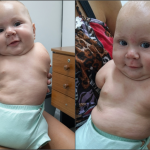
When little Myles Kaleb Baughman was born on June 29, his parents believed they were beginning the happiest chapter of their lives. Their precious baby boy appeared perfect, and they looked forward to watching him grow, reach his milestones and experience all the joys of childhood.
But just three weeks later, their happiness turned into a nightmare they could never have imagined.
Myles was struggling to feed. Drinking just two ounces of milk could take hours, with much of it spilling from his mouth. His parents also noticed his eyes moving rapidly from side to side, while he would suddenly throw his head back and cry inconsolably.
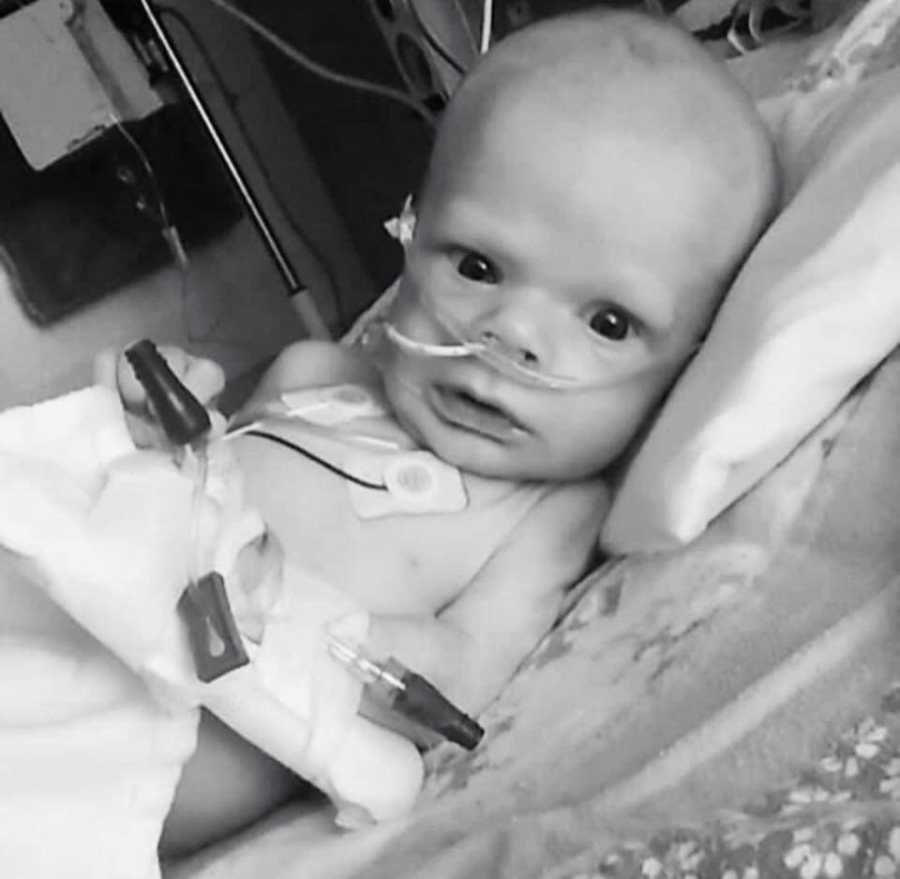
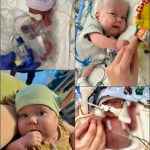
At his one-month check-up on August 2, doctors became deeply concerned. Myles had lost so much weight that he was below his birth weight. He was immediately transferred to Cincinnati Children’s Hospital and admitted with failure to thrive.
His family had no idea that the hospital would become their home for almost four months.
An ultrasound revealed swelling in the tiny boy’s brain, prompting doctors to order an MRI. After hours of waiting, his parents were approached by a team of doctors and nurses with devastating news.
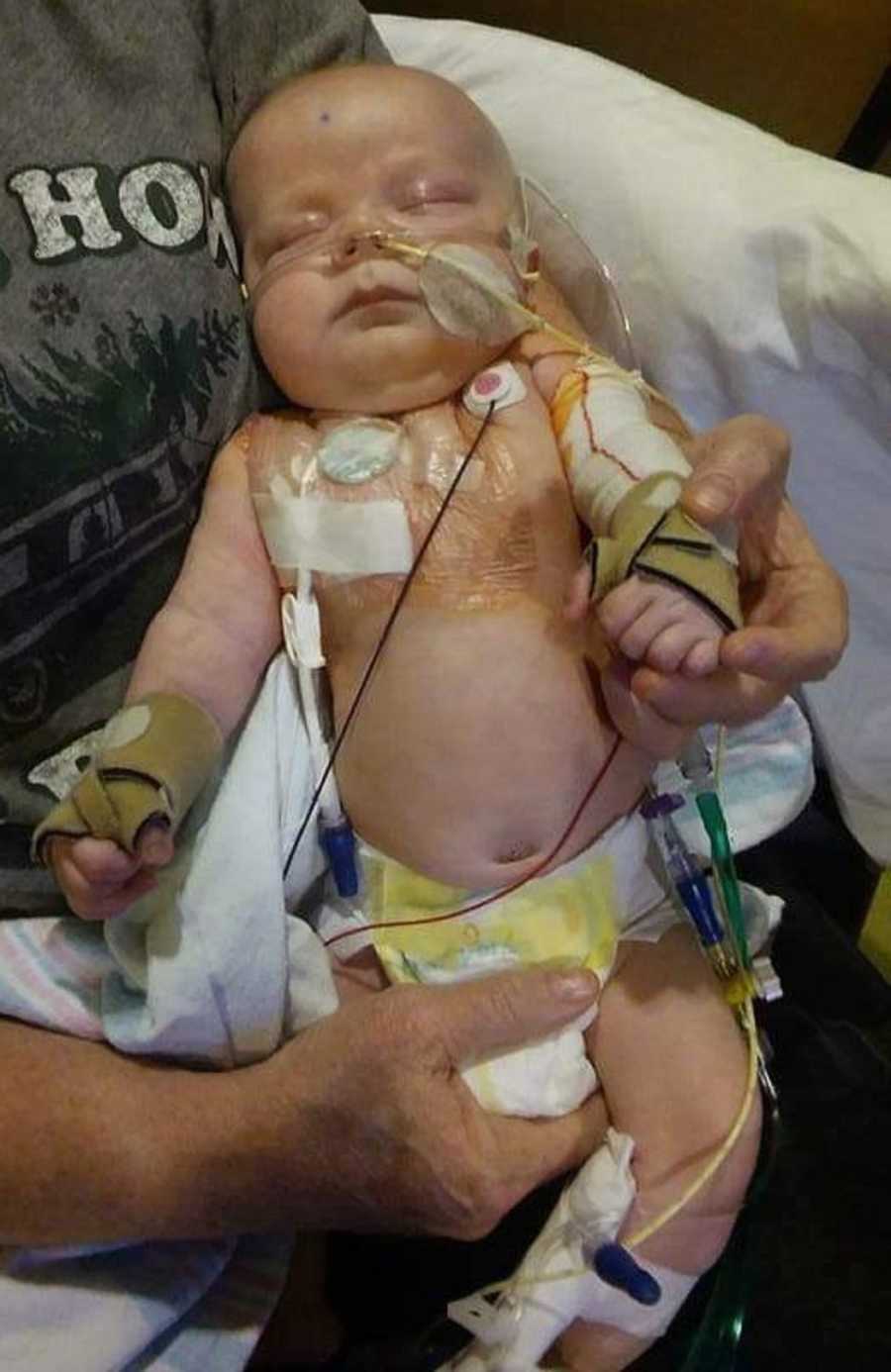
“Your child has a tumor.”
For Myles’s mother, who was just 19 at the time, the words seemed impossible to comprehend. She was a full-time college student and working full-time, but suddenly everything else in her life became secondary.
“I just sat there, blank. Did they honestly just say my sweet newborn baby had a tumor in his brain? Why was this happening? He’s just a baby,” she recalled.
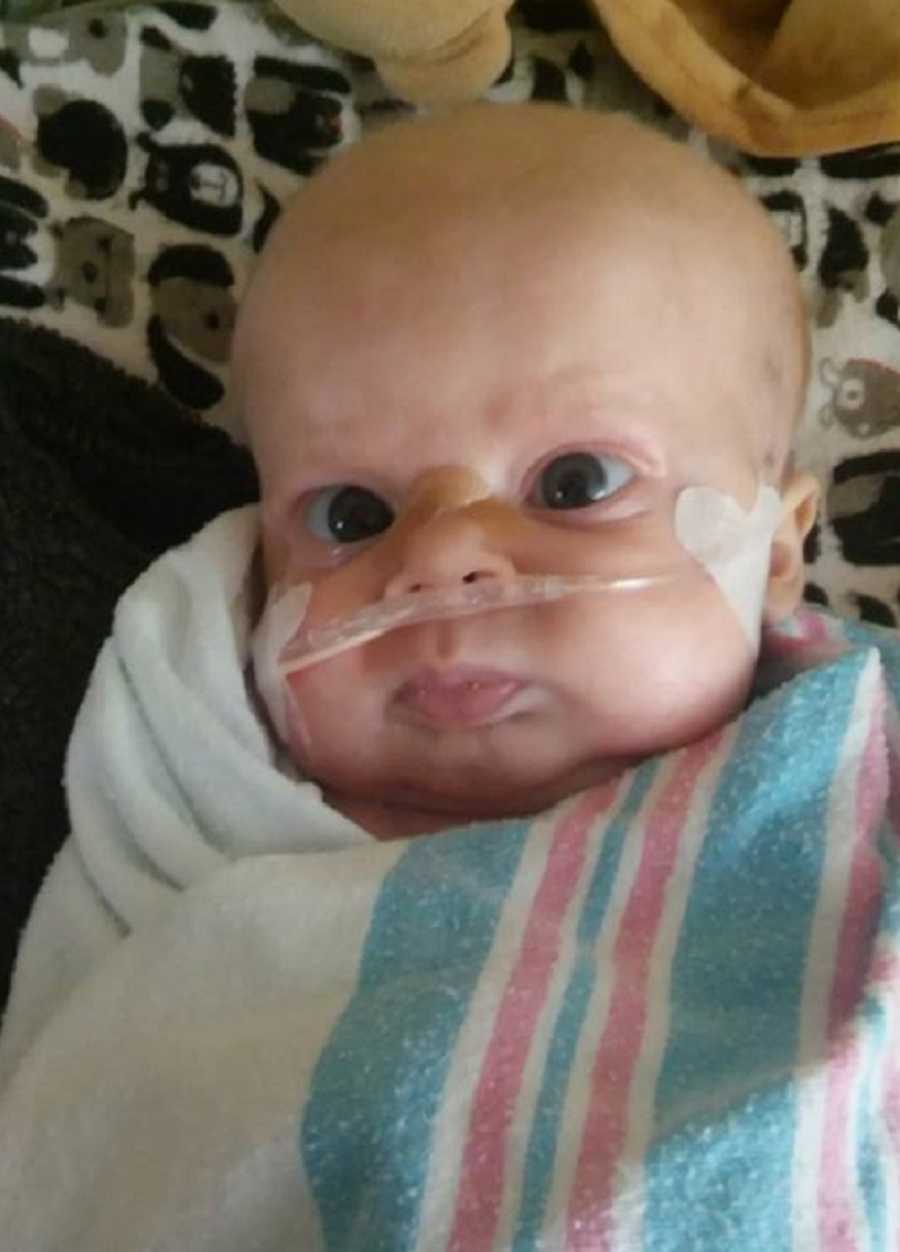
Desperate for answers, she began researching childhood brain tumors. One diagnosis kept appearing: Diffuse Intrinsic Pontine Glioma (DIPG), an exceptionally aggressive form of brain cancer that affects the brain stem.
The information she found was terrifying. The disease was considered terminal, with many children surviving only around nine to 12 months after diagnosis. Surgery was generally not possible because of the tumor’s location.
Every day, she prayed that her little boy would not have this disease.
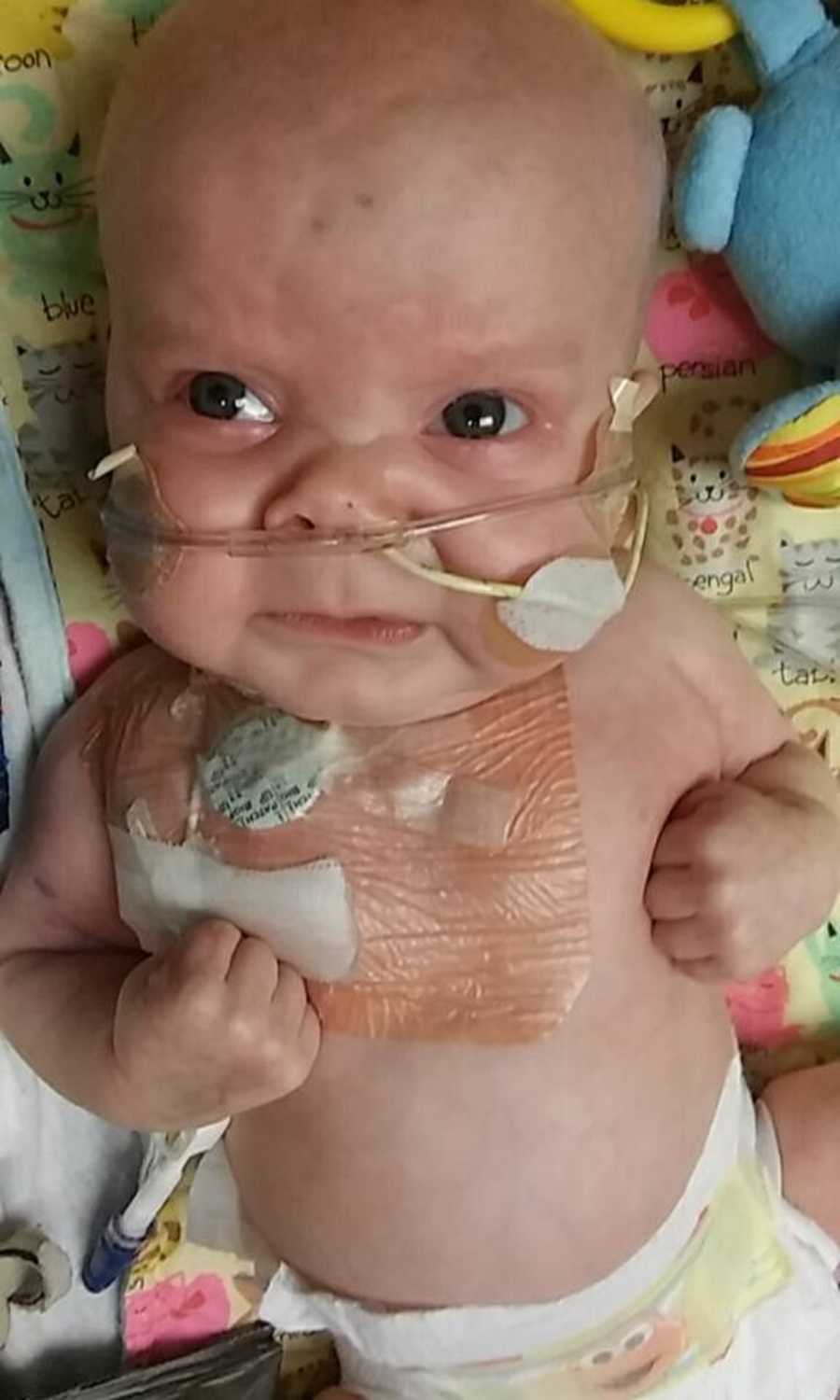
But their fears became reality.
After another MRI, Myles returned to his hospital room barely breathing. His condition deteriorated so quickly that doctors rushed him to intensive care, where he was placed on a ventilator.
On August 15, doctors performed a high-risk biopsy despite his extremely young age. Against the odds, the procedure was successful.
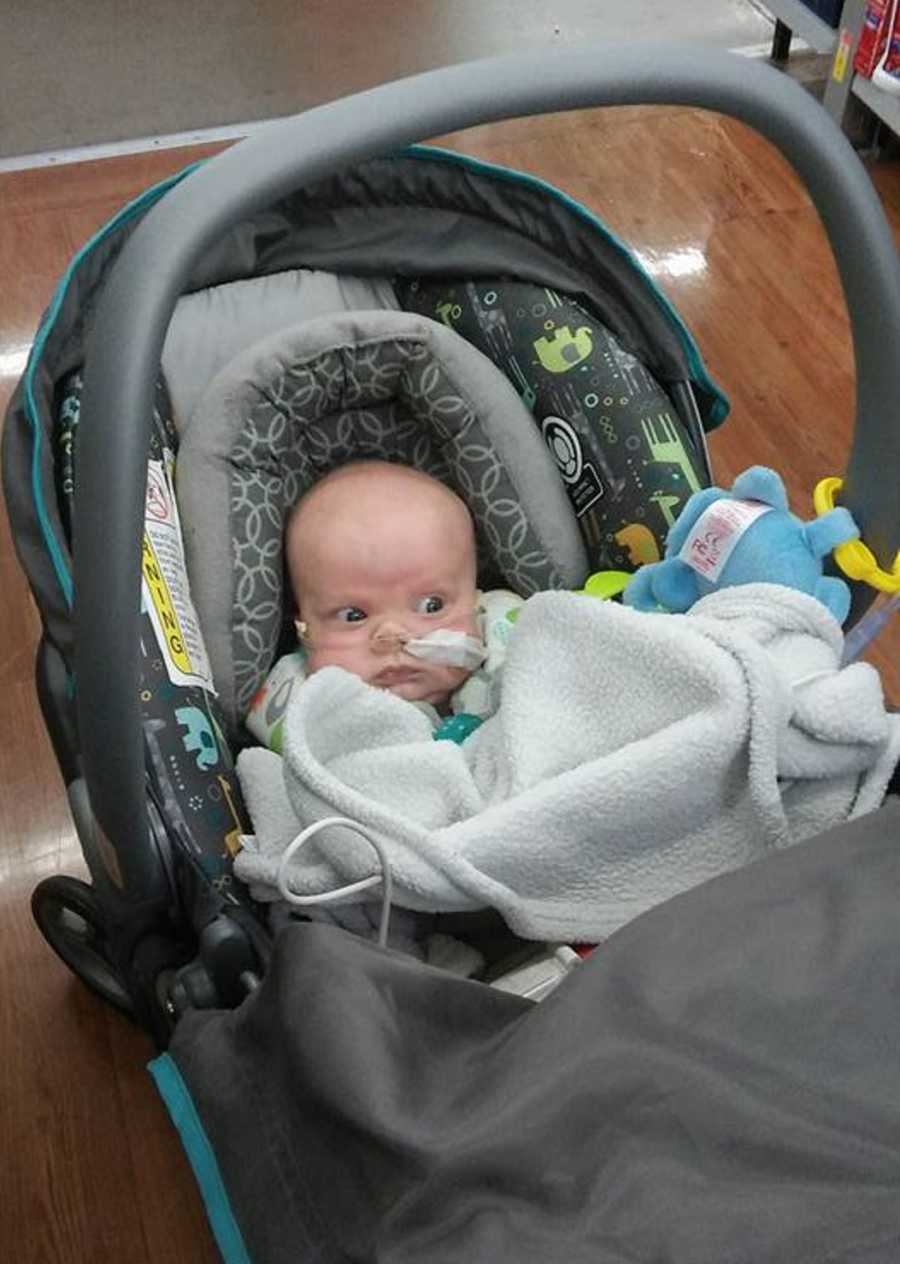
Two days later, the family received the diagnosis they had been dreading: DIPG.
At just five weeks old, Myles was among the youngest children doctors had ever encountered with the disease, which is more commonly diagnosed in children between five and nine years old.
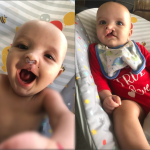
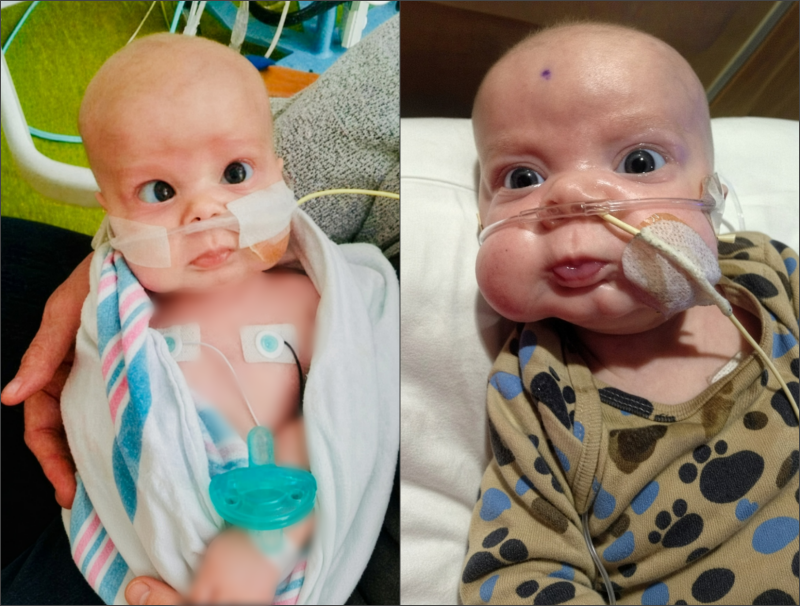
His condition was so serious that doctors feared he might have only weeks left. Severe swelling had turned his skin bluish, his tongue was so swollen it could barely remain inside his mouth, and a blood clot in his leg put the limb at risk.
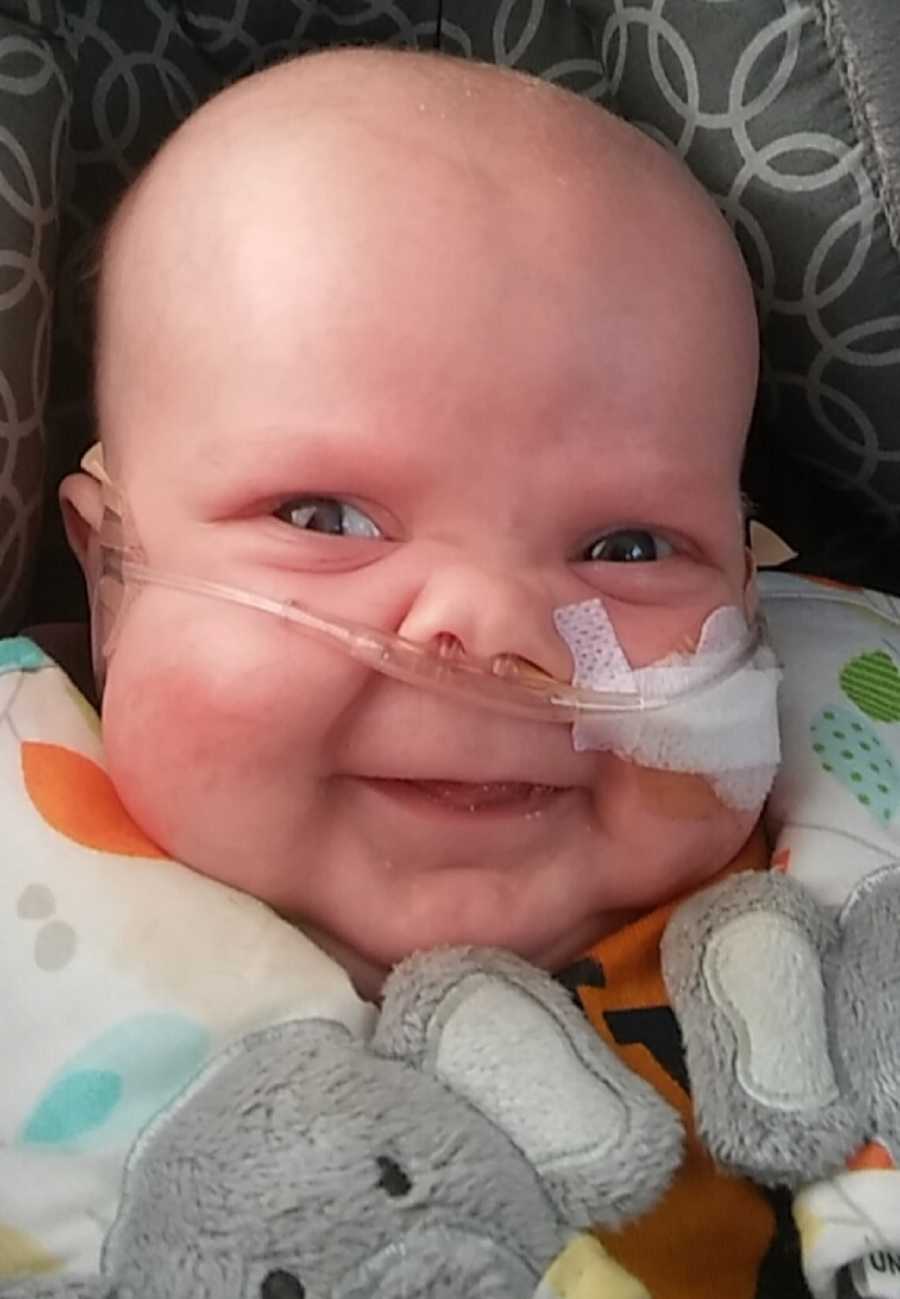
With Myles too young for the usual radiation treatment, his medical team decided to try chemotherapy. His first treatment began on August 22, when he was just seven weeks old.
Then came a development nobody had dared to expect.
After only a few rounds of chemotherapy, scans showed that the tumor had shrunk to almost half its previous size. Myles was responding to treatment, leaving his doctors astonished.
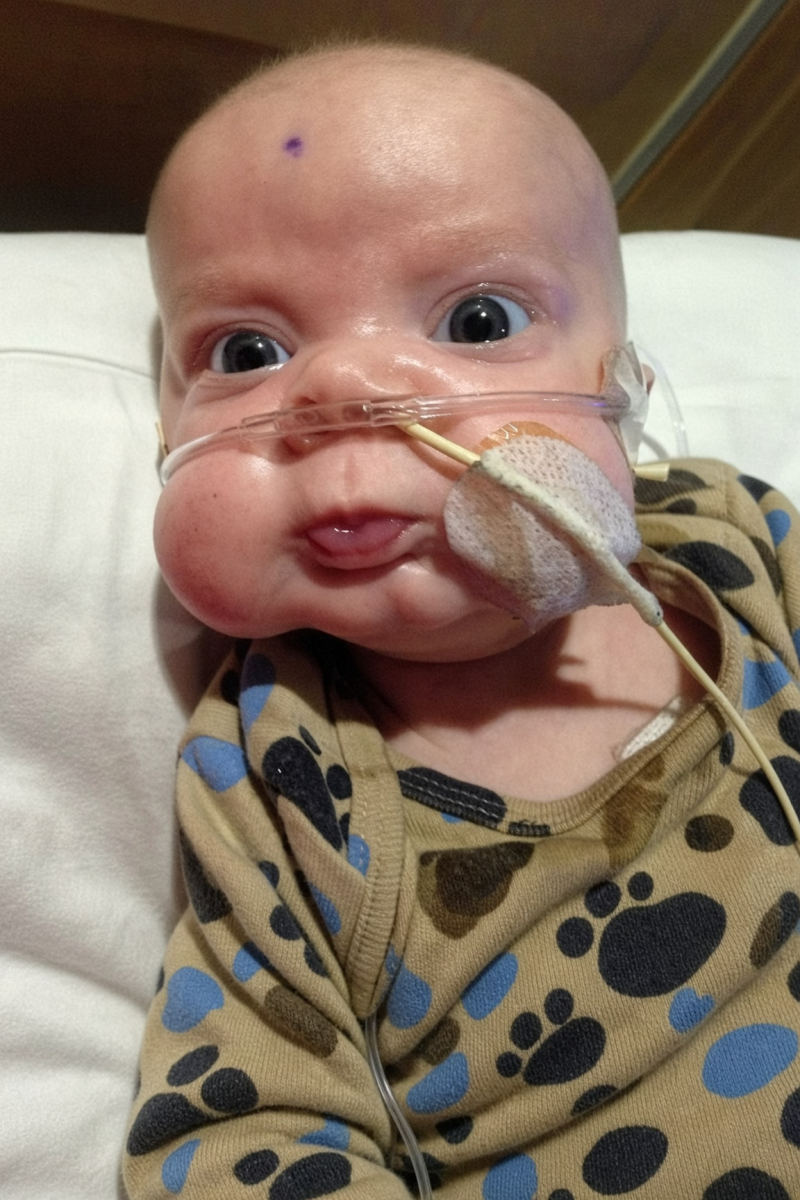
His journey was far from over. He remained in hospital, dependent on breathing support and a feeding tube, while doctors continued monitoring his fragile condition.
In October, he finally became strong enough to come off the ventilator and was transferred to the regular hematology and oncology ward. Further tests revealed that the tumor had affected the brain stem functions responsible for controlling his tongue, making swallowing difficult.
His feeding tube remained essential, but his parents held on to every small improvement.
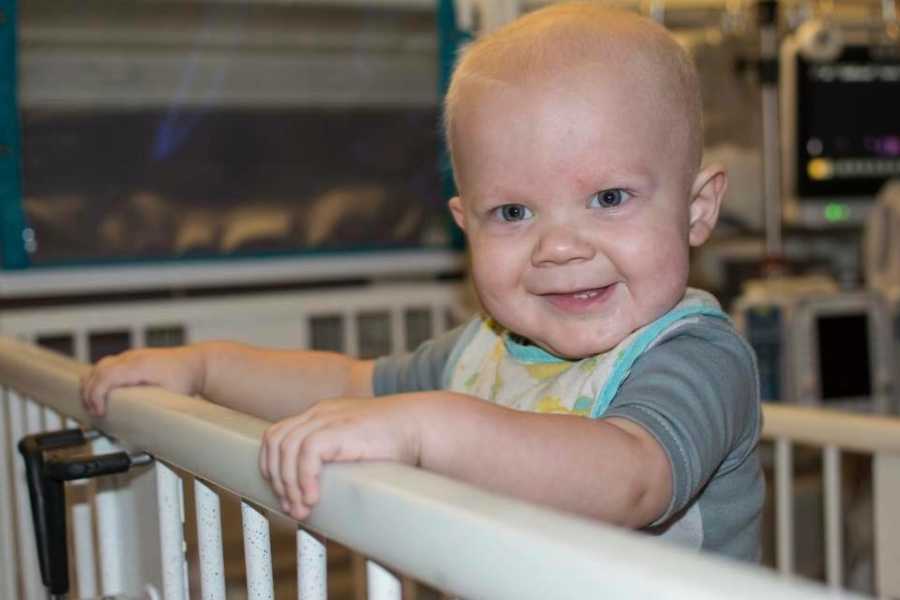
After nearly four months in hospital, Myles finally went home on November 12. He still needed oxygen and tube feeding, but for his family, simply being able to bring their son through their own front door felt like a miracle.
“When he was doing so badly in the hospital, we didn’t know if we would ever see the day when we could bring him home,” his mother shared. “It felt amazing having my boy home again, where he belonged.”
And little by little, Myles continued to surprise everyone.
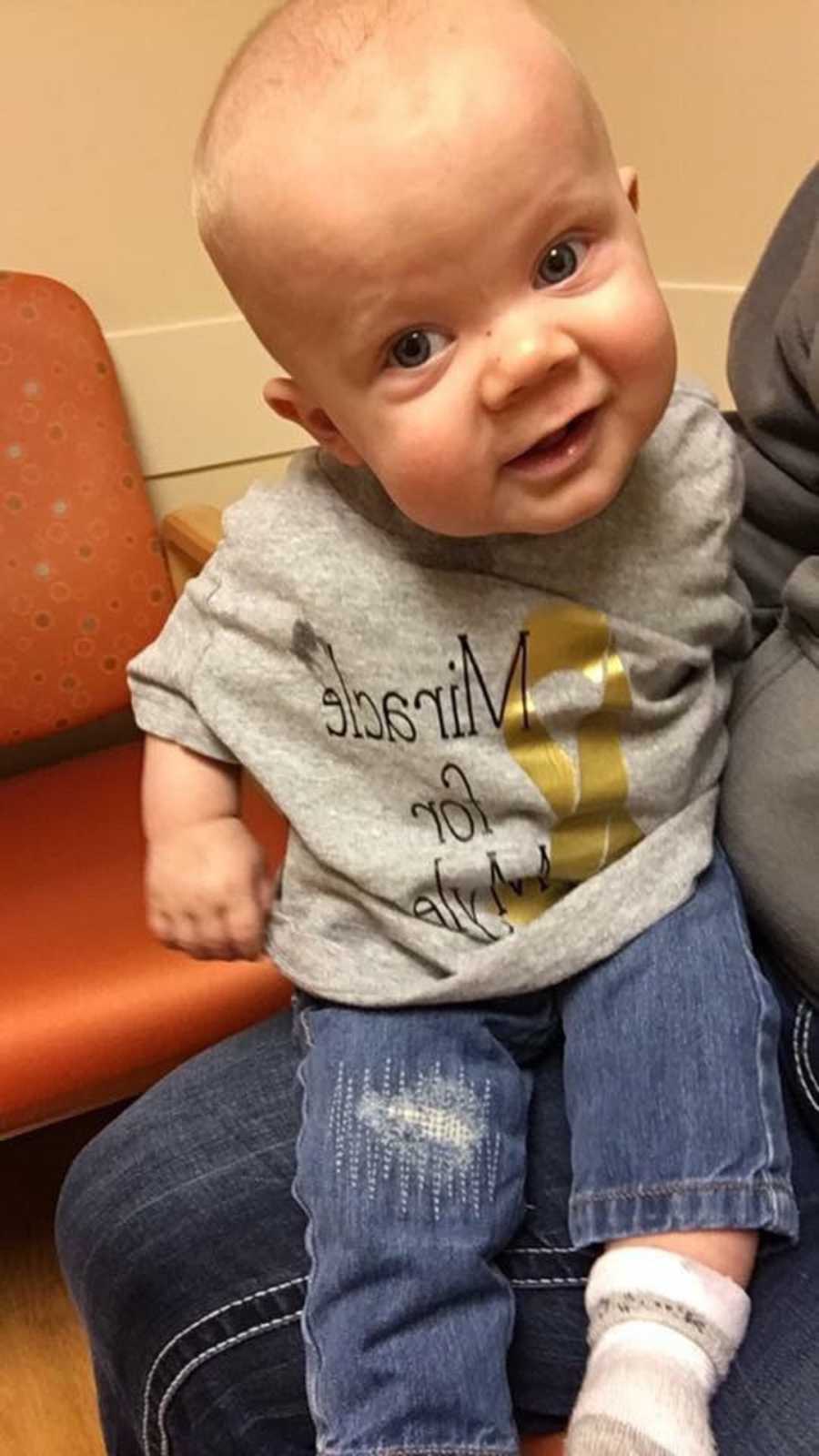
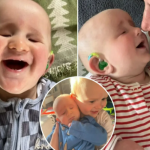
Just two months after returning home, he no longer needed oxygen. Then, in February, he accidentally sneezed out his feeding tube. Doctors decided not to replace it, and within days, he was eating by mouth on his own.
He continued receiving monthly chemotherapy treatments, sometimes requiring hospital stays of two or three days. Although he reached developmental milestones more slowly than other children, his family watched with pride as he kept learning and growing.
By December, Myles had completed all 18 rounds of chemotherapy recommended by his doctors. His follow-up scans showed that the tumor was stable, allowing his medical team to give his little body a break from treatment.
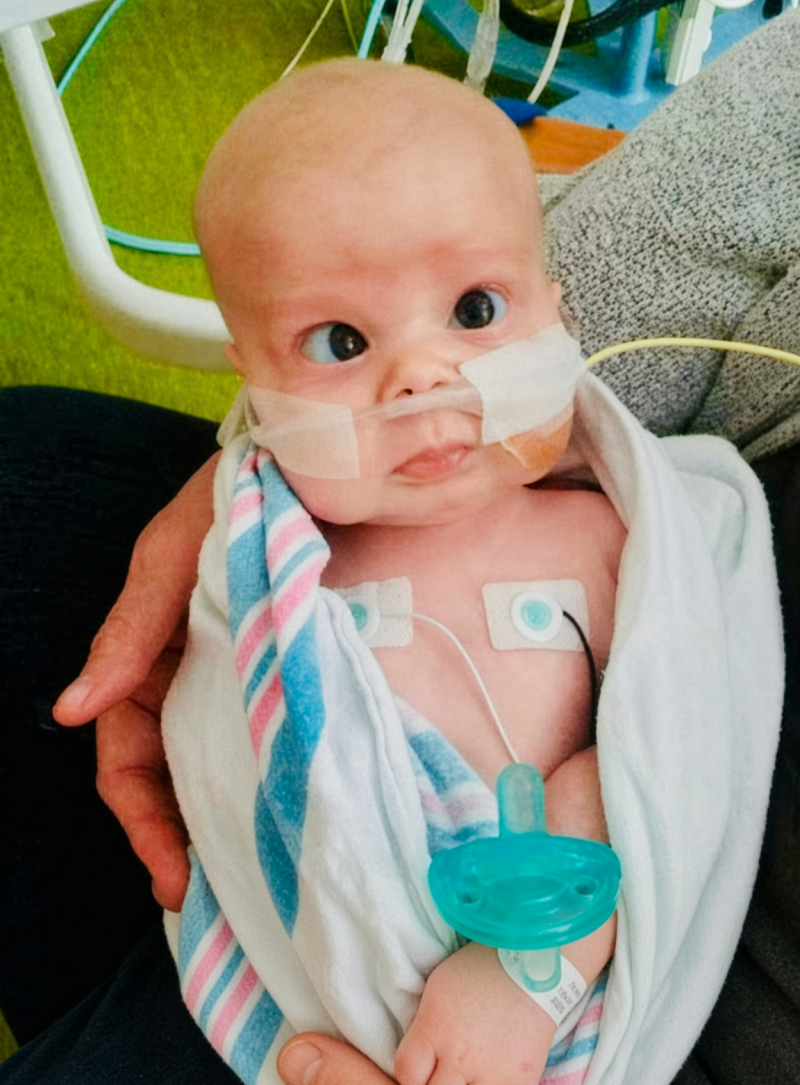
For children with DIPG, stability is precious. The family continued returning for MRI scans every two months, knowing that the tumor could begin growing again without warning.
Yet each scan brought the same encouraging news: the tumor remained stable, even without further treatment.
After a year of reassuring results, doctors decided that his MRI appointments could be extended to every four months.
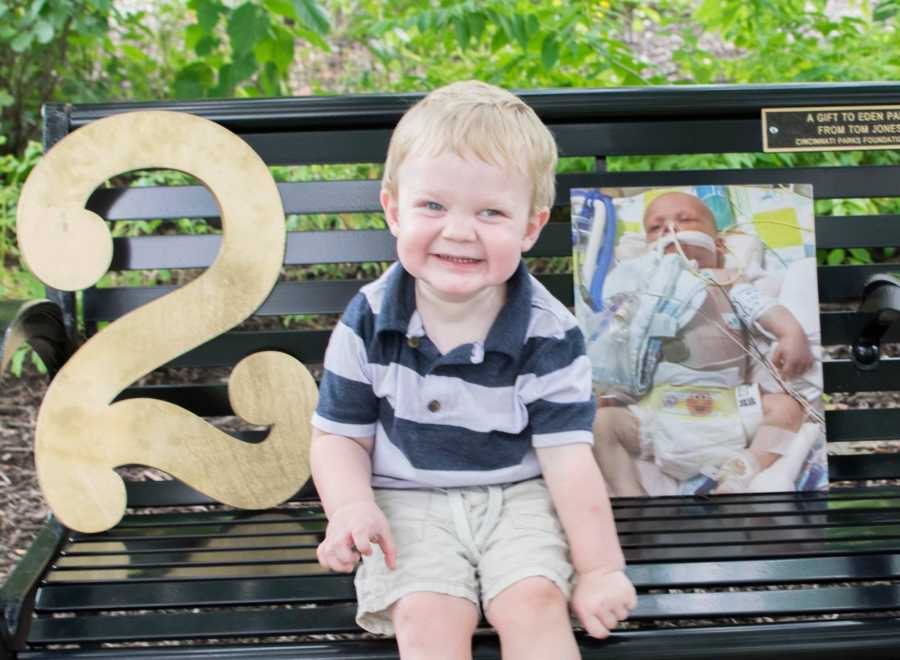
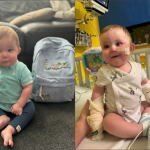
Now, Myles is approaching a milestone his parents once feared they might never celebrate: his third birthday.
To mark the occasion, the family is planning a special trip to Thomasland in Massachusetts, because their little boy absolutely loves Thomas the Tank Engine.
They hope to make the journey in April, before his next MRI. Although they continue to pray for another stable result, they know that his condition remains unpredictable. Doctors have explained that if the tumor begins growing again, radiation or another treatment may need to start immediately.
His parents are not taking a single day for granted.
“We never thought he would see his first birthday, let alone his third,” his mother said. “We want to make every memory we can with our sweet boy, as long as he is doing as well as he is.”
“He is a miracle,” his parents said. “Our miracle.”