PARENTS “DEEPLY CONCERNED” AS BABY EXPERIENCES FREQUENT DAILY EPISODES AFFECTING HEALTH
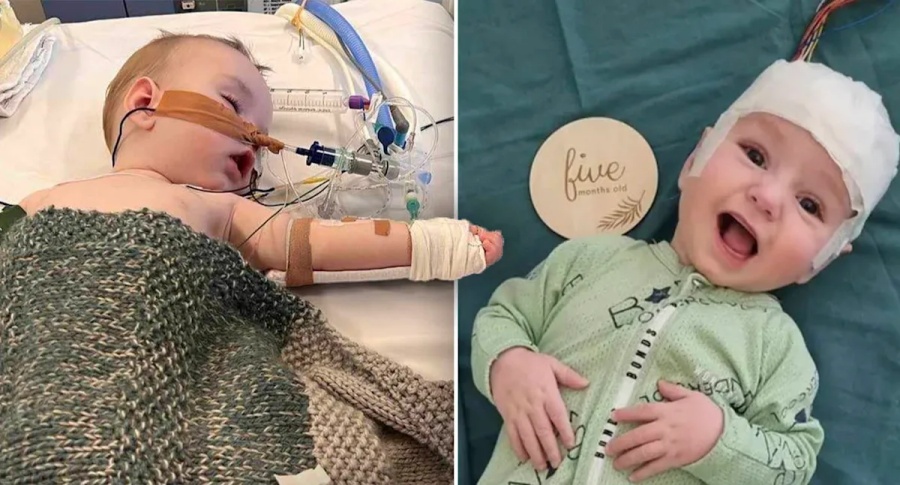
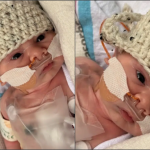
Melbourne couple Jason and Ally had only been parents for three months in January when their baby had his first seizure — it was the beginning of their lives being turned “upside down”.
“Lachie currently has hundreds of myoclonic seizures every single day,” family friend Cass Phillips said. After “countless” ambulance trips, testing and injections, little Lachie was diagnosed with a severe form of epilepsy called Dravet Syndrome, caused by a rare gene mutation.
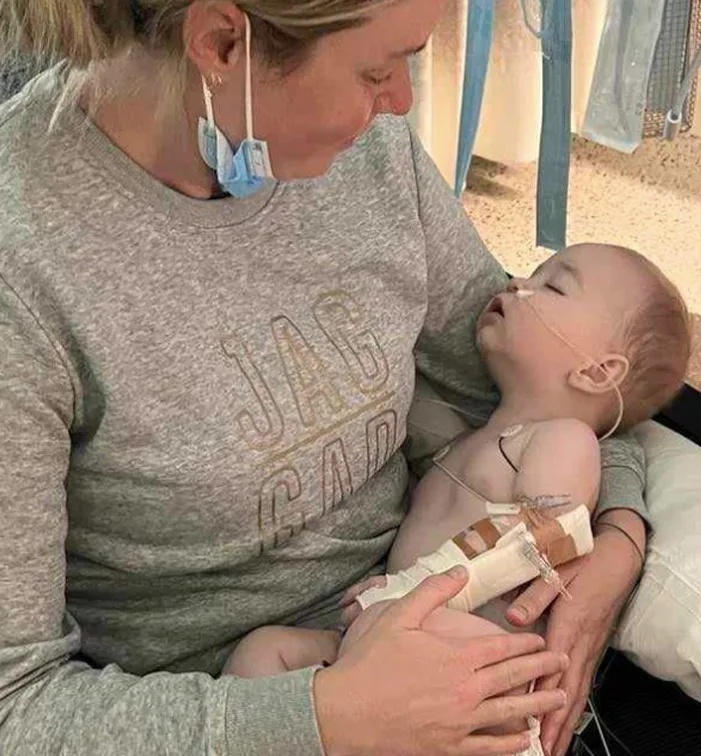
Lachie’s parents have shared the “heartbreaking” impact his health has on the now nine-month-old boy, with the couple living in constant fear that one small move could have disastrous consequences for him. Simply feeding or visiting family could end with Lachie having a seizure and him being placed “in an induced coma”.
“Imagine being scared to change your baby’s nappy… Imagine your camera roll being full of seizure videos and pictures of hospital visits,” Cass said.
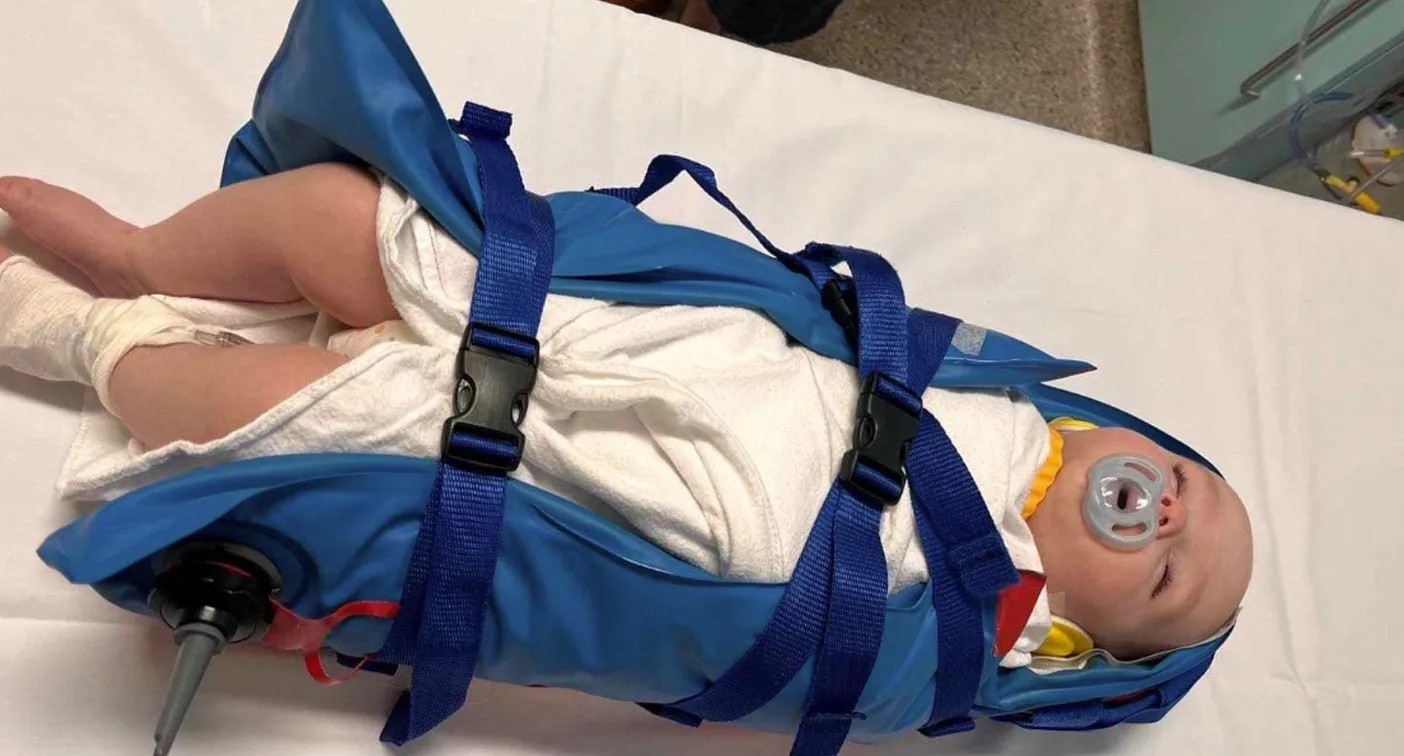
Jason and Ally have now become full-time carers to their son as they desperately try to navigate the best way to manage and treat his epilepsy, asking others to spread awareness of the “cruel” syndrome.
A GoFundMe page has been created in hope the funds will help to financially support the young family during the uncertain time.
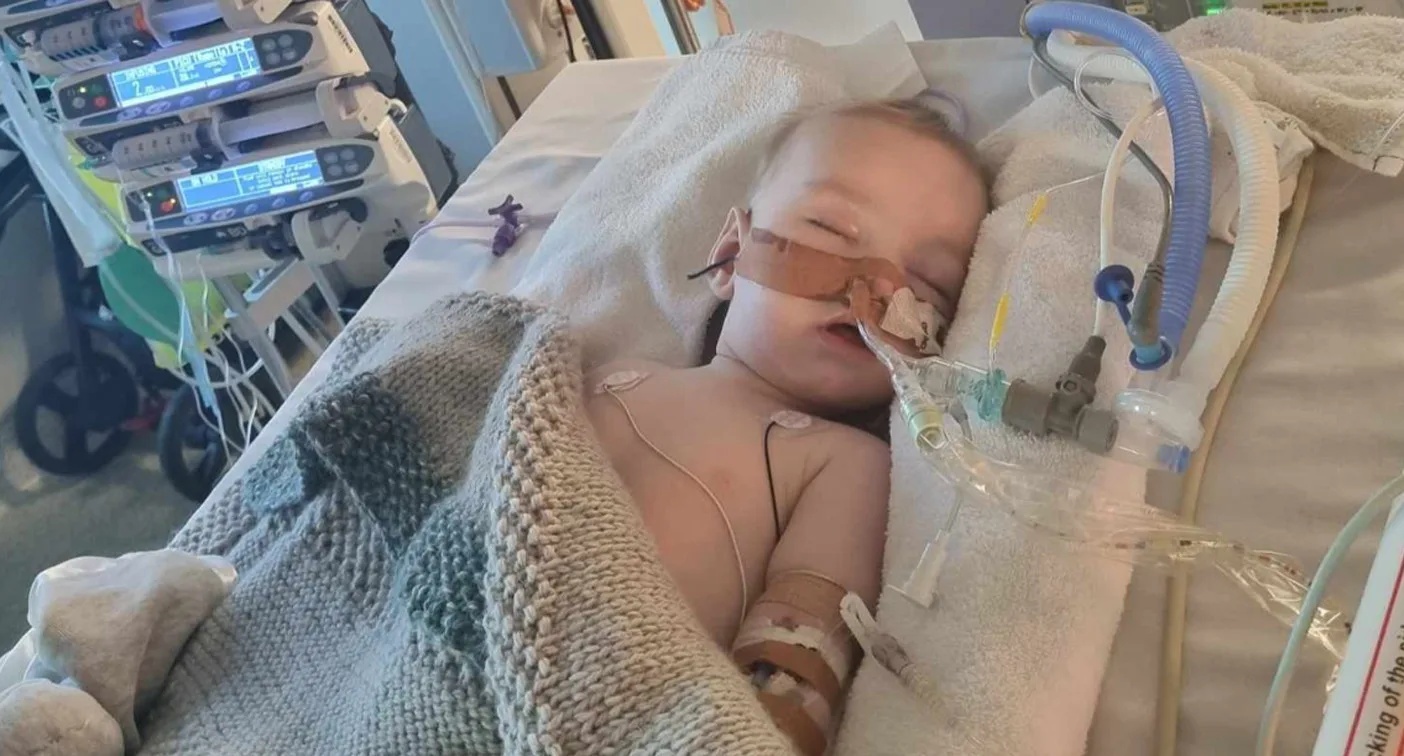
“They are living a very isolated life and have endured countless sleepless nights, living in constant fear of what the next day may bring.”
Dravet Syndrome usually begins in the first year of life and is not responsive to normal seizure medications, with a multi-disciplinary team often required to address the many ways it impacts a child and their family.

The syndrome affects 1 in 15,7000 individuals according to Epilepsy Foundation Australia and risks developmental and intellectual delays for the child. Seizures can often last more than five minutes and children are incredibly susceptible to seizures caused by any slight change in the body, such as change of temperature or illness.
“Lachie is going to need lifelong support through the help of many different therapies and specialists,” Cass said.