Six Years in the Shadows of a Drunk Driving Tragedy: How One Historic, Sixteen-Hour Breakthrough Surgery Allowed a Brave Man to Finally Reclaim His True Face and Smile Again
Six Years in the Shadows of a Drunk Driving Tragedy: How One Historic, Sixteen-Hour Breakthrough Surgery Allowed a Brave Man to Finally Reclaim His True Face and Smile Again
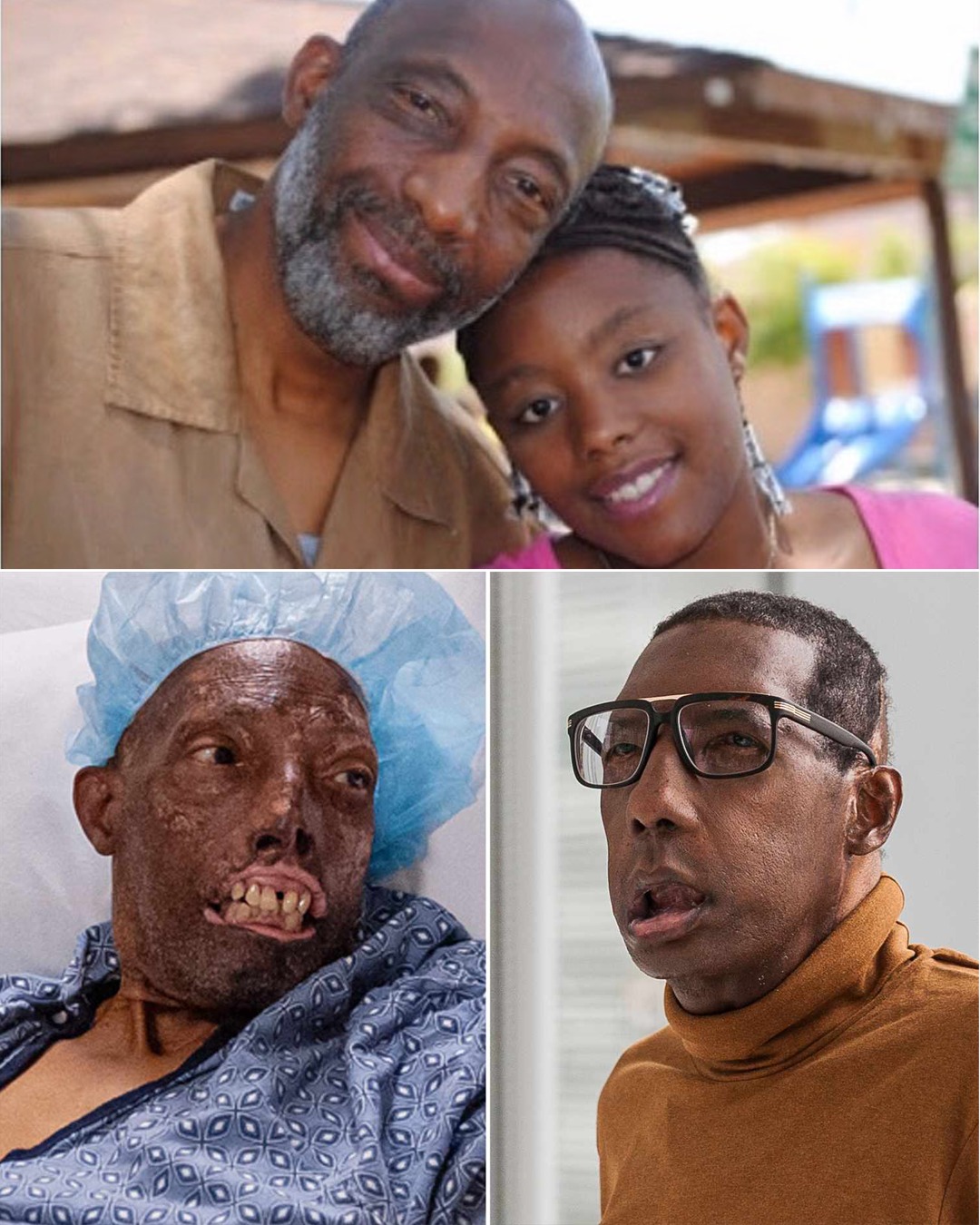
In 2013, Robert Chelsea’s world was shattered in an instant when a catastrophic crash caused by a drunk driver left him with devastating, life-altering facial injuries. The sheer impact of the collision resulted in severe burns that decimated his nose, lips, ears, and overall facial structure. Over the next six years, he endured more than thirty grueling surgeries just to restore rudimentary functions. Beyond the physical scars that made everyday acts like eating, speaking, and breathing a monumental struggle, Robert faced a heavy psychological burden; for over half a decade, the public would stare in shock or avoidance before ever uttering a word to him.
The turning point arrived in 2019 when, at sixty-eight years old, Robert made medical history by becoming the first African American individual to receive a full face transplant. The path to this milestone was exceptionally difficult, hindered by a severe shortage of diverse organ donors. He even made the agonizing choice to decline a previous donor opportunity because the skin tone mismatch was too drastic—a factor medical experts agreed could cause severe visual and psychological distress post-surgery. Eventually, a compatible match was found, setting the stage for a highly complex sixteen-hour operation that required a synchronized team of over forty surgeons, nurses, and specialists to meticulously reconnect delicate blood vessels, intricate nerve pathways, and complex muscle tissue.
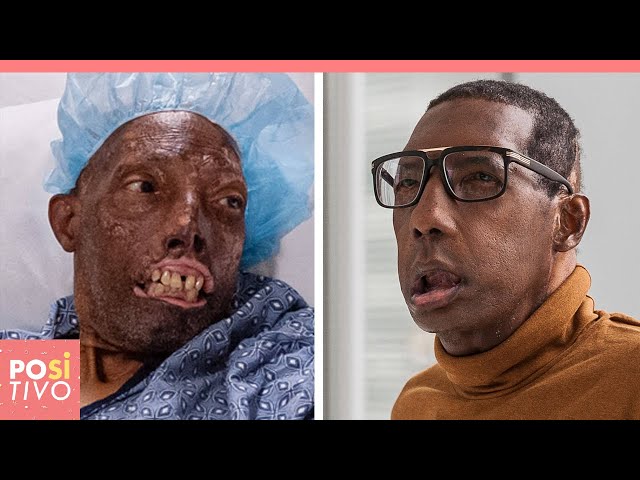
The success of the transplant gave Robert far more than a new appearance; it restored his humanity. He gradually regained the profound ability to smile, speak with clarity, and breathe comfortably without assistance. Yet, the most impactful chapter of his journey began after his recovery. Instead of retreating into anonymity, Robert chose to step directly into the spotlight, using his viral story to champion the critical importance of tissue donation, advance reconstructive medicine, and foster genuine compassion for those living with physical differences. His triumphant journey stands as a powerful reminder that true survival is not just about keeping the heart beating, but about the dignity of looking into a mirror and finally recognizing yourself once more.