“Justice for Louis” March Draws Thousands as Family Resists Political Exploitation
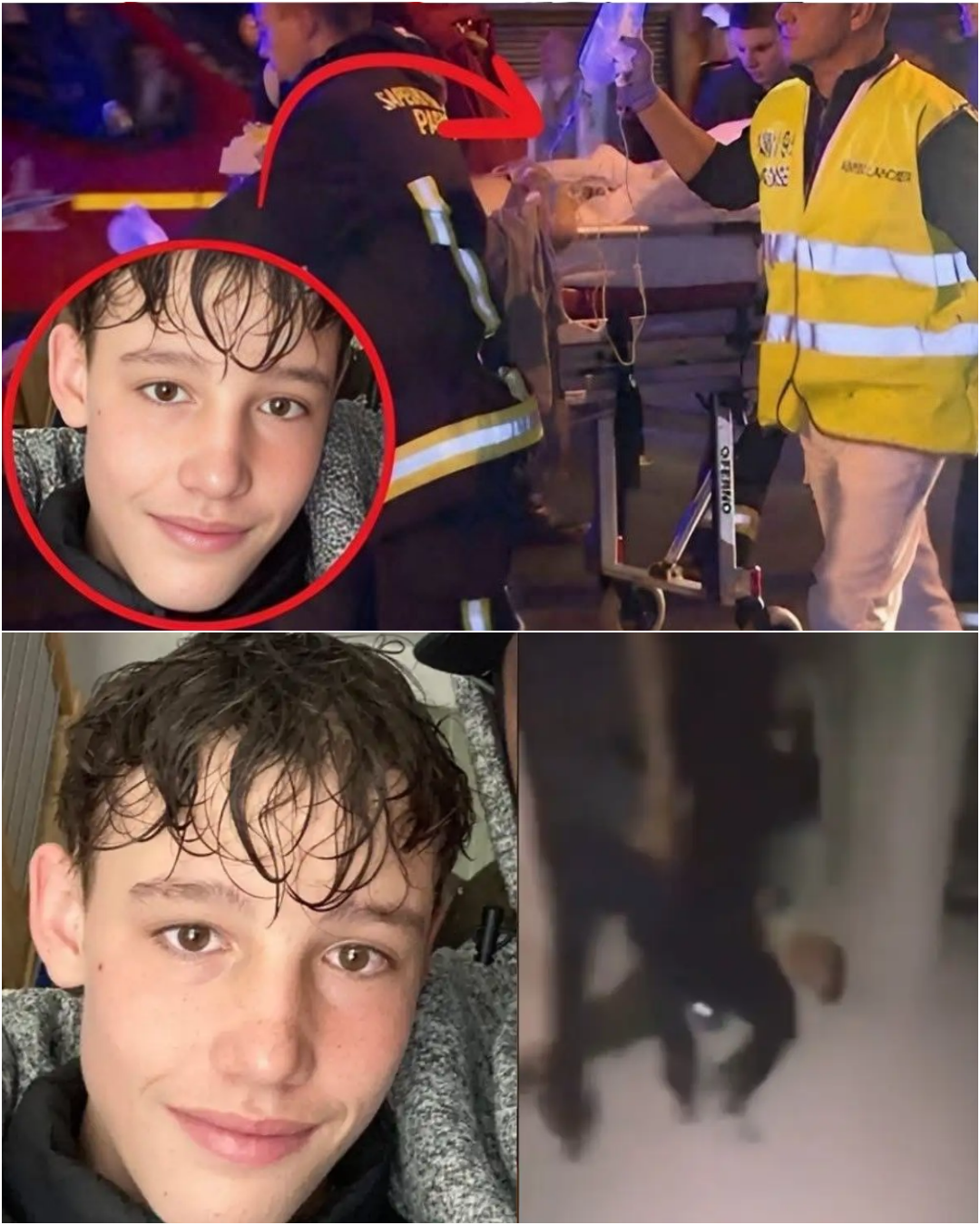
Topic sentence: Thousands gathered in Narbonne to remember Louis and demand accountability, but the public campaign surrounding his case has also become entangled in France’s political divisions.
Approximately 4,500 people gathered in Narbonne on July 5, 2026, for a white march honoring 17-year-old Louis.
Many participants wore white as they walked from the city hall toward the construction site where Louis had been discovered critically injured two weeks earlier. Police estimated the crowd at around 4,500 people.
Louis died in hospital on June 23 after allegedly being assaulted by a group of young people during the night of June 19.
The march was both a memorial and a public call for justice. Louis’s mother spoke before the crowd about her grief, her son’s future and her demand for severe punishment if the accused are convicted.
A song reportedly written by Louis for his mother was played during the gathering. His family has described him as a teenager who loved music and regularly played the guitar.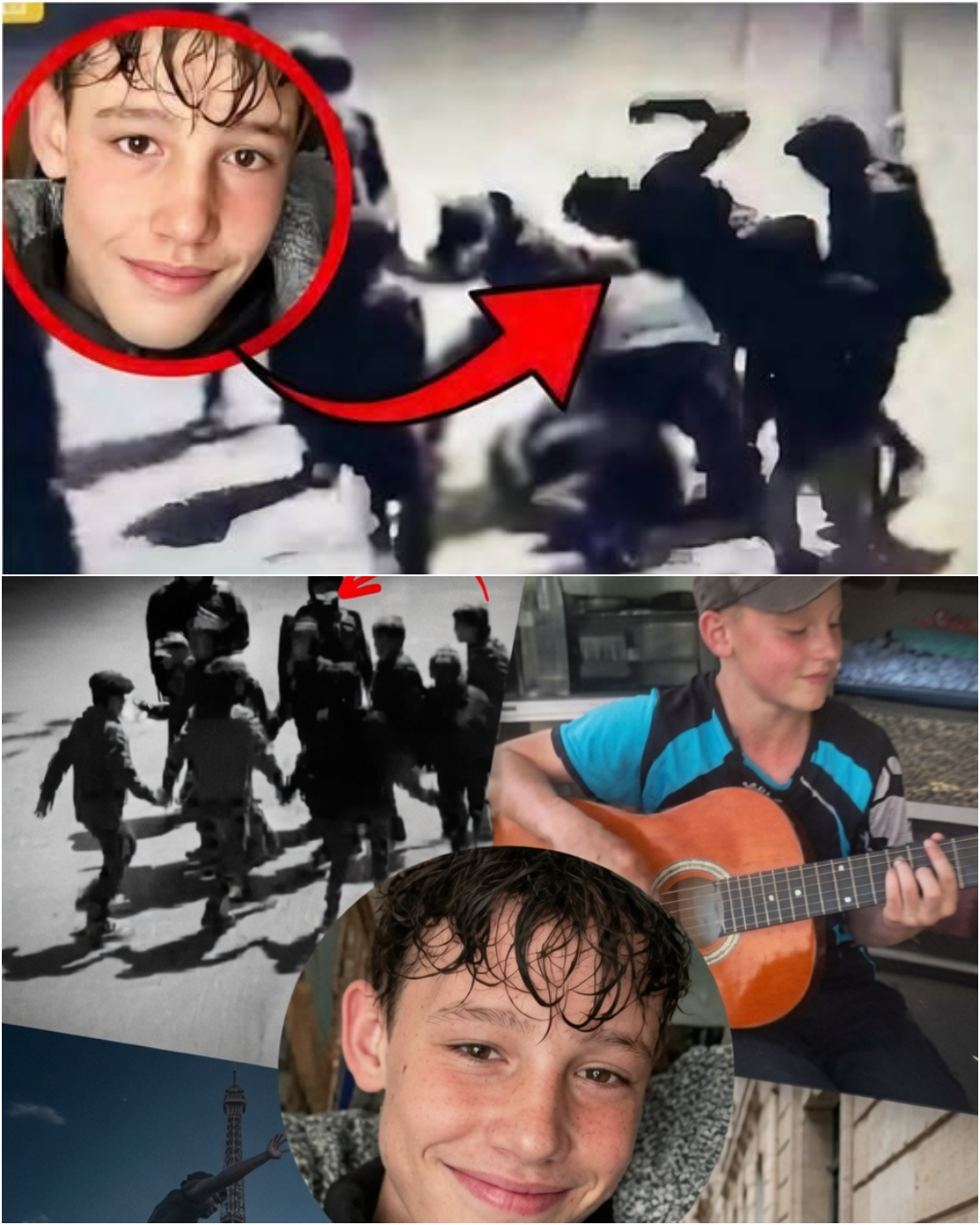
A deeply emotional family message
Louis’s mother told the crowd that she was unable to say goodbye to her son. She also called for changes to sentencing rules, particularly in cases involving serious offenses allegedly committed by minors.
Her statements reflected the family’s anger and fear that the eventual sentences might not match the seriousness of the case.
However, sentencing cannot be determined before the investigation and any future trial. Five suspects have been formally investigated and placed in pretrial detention, but all remain legally presumed innocent.
Investigators must establish each suspect’s alleged role, intention and actions before a court can assess guilt or punishment.
Political tensions surrounding the campaign
The march also attracted political activists and prominent public figures.
French politicians Éric Zemmour and Marion Maréchal attended the Narbonne event. Police estimated that approximately 400 people associated with identitarian movements were present in the crowd.
Their presence intensified debate over whether the case was being used to advance broader political messages concerning immigration, youth crime and criminal justice.
The prosecutor had already stated that the evidence did not support claims that Louis was targeted for racial reasons. The motive remained unknown.
Louis’s family had declined to participate in an earlier gathering because they wanted to avoid political exploitation of the tragedy. This detail is important because some online posts have incorrectly suggested that the family rejected the wider demand for justice.
Their position appears more nuanced.
The family has consistently demanded accountability for Louis. Their concern was that outside movements might use his name, image or story for purposes the family did not approve.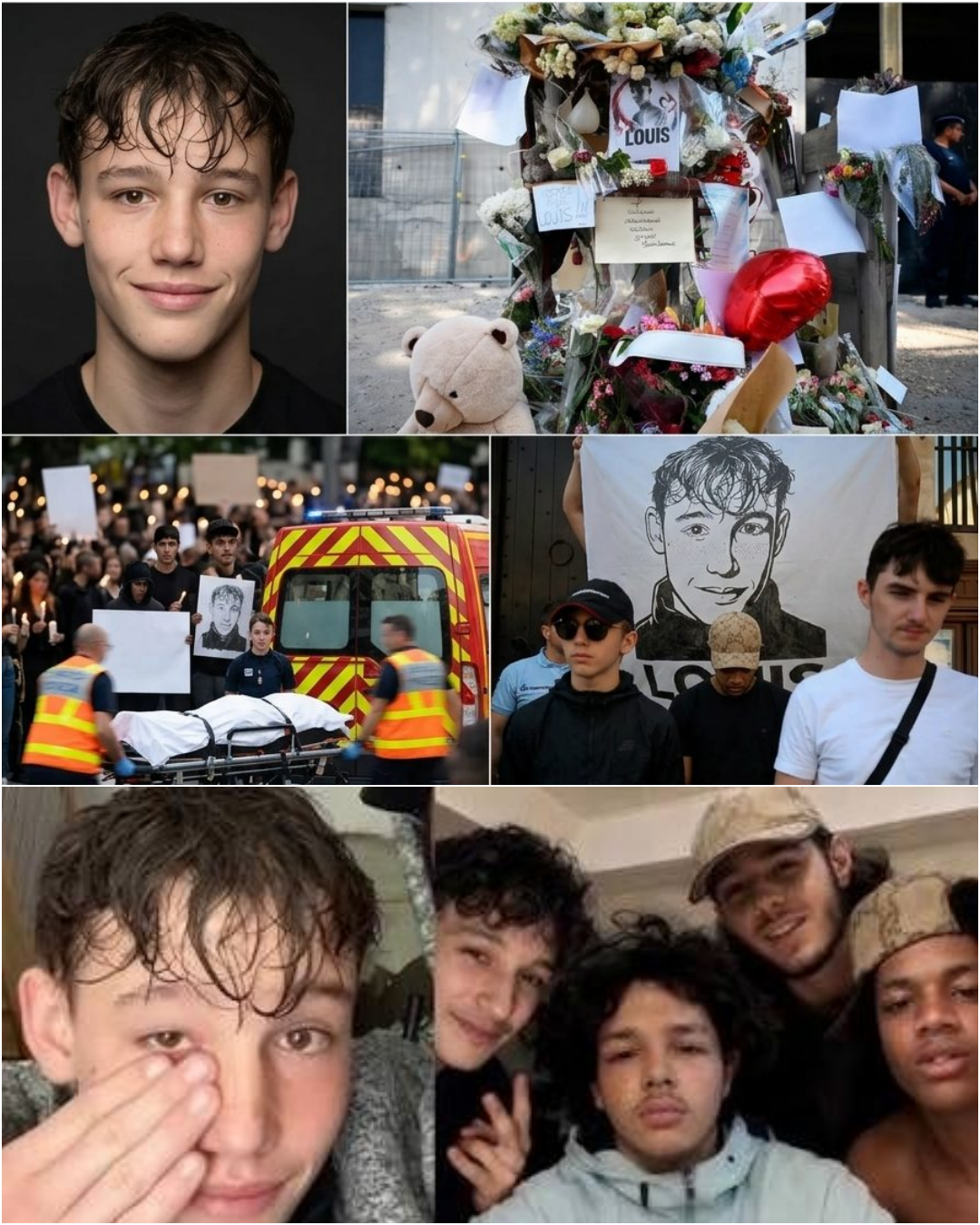
Remembering Louis beyond the political debate
The phrase “Justice for Louis” has spread rapidly across social media, but the family’s message is also about remembering who Louis was.
Relatives have described a young person who loved playing guitar, making music and spending time fishing with his father. Those personal memories risk being overshadowed when the case is reduced to political slogans.
There is also a danger that unverified claims online could influence public opinion before investigators complete their work.
The strongest path toward justice will depend on evidence: forensic findings, recordings, communications, surveillance footage and reliable witness testimony.
The Narbonne march demonstrated the depth of public emotion surrounding Louis’s death. It also showed how quickly an unresolved criminal case can become part of a larger political conflict.
For the family, the central demand remains simple: Louis should not be forgotten, and every person legally responsible for what happened must be held accountable through a fair and complete judicial process.
Sources: La Dépêche du Midi, RTL and AFP reporting from the Narbonne memorial march.