A Mother’s Firstborn Gone Too Soon — Denise Diaz’s Grief, Her Son Devin Perez’s Unfinished Dreams, and the Love That Refuses to Fade

The Cost of a Final Goodbye: A Mother’s Unfinished Farewell
There is a specific kind of silence that follows the loss of a child. For Denise, it is a deafening, heavy weight that occupies every corner of her home. It has been months since she lost Devin, her firstborn, yet her mind remains trapped in the moments before the world went dark. At just fifteen years old, Devin was more than a son; he was the person who taught her the meaning of unconditional love, the one who shaped her identity as a mother. Now, she is left navigating a reality that feels like a cruel mistake.
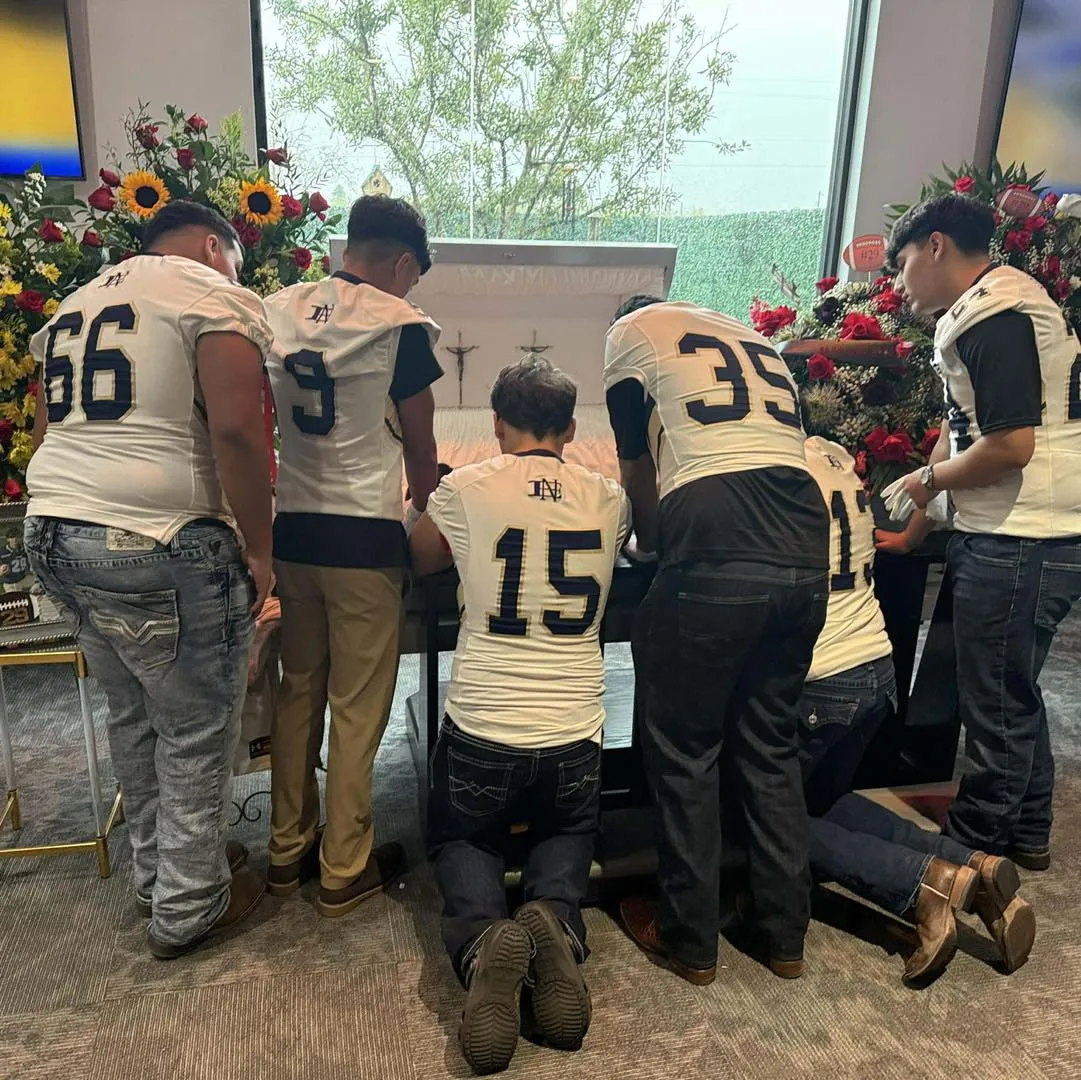
The trauma of child loss is a physical burden. Denise describes it as a constant pressure on her chest, a sensation of drowning while standing on dry land. She still catches herself glancing at his bedroom door when she hears a floorboard creak. She still prepares enough for dinner out of habit, only to be leveled by the sight of his empty chair. But for Denise, the grieving process has been interrupted by a secondary, bitter trauma: the financial impossibility of poverty in the face of death.
In the harrowing days following Devin’s passing, Denise was forced to confront a reality no parent should ever know. While her soul was screaming in agony, she had to navigate the cold, transactional world of funeral costs and burial fees. She scraped together every cent, took on debts she couldn’t afford, and leaned on every resource available just to ensure her son was laid to rest with dignity. She did everything right, and yet, the math of poverty still failed her.
Today, Devin lies in a grave that bears no mark. There is no granite slab to catch the rain, no carved letters spelling out his name, and no dates to tell the world how brief and beautiful his life was. For a mother, a tombstone is more than a marker; it is a sacred space for conversation, a physical anchor for a love that no longer has a home. Because she cannot afford a headstone, Denise feels as though her son is being erased, hidden away in an anonymous plot of earth.
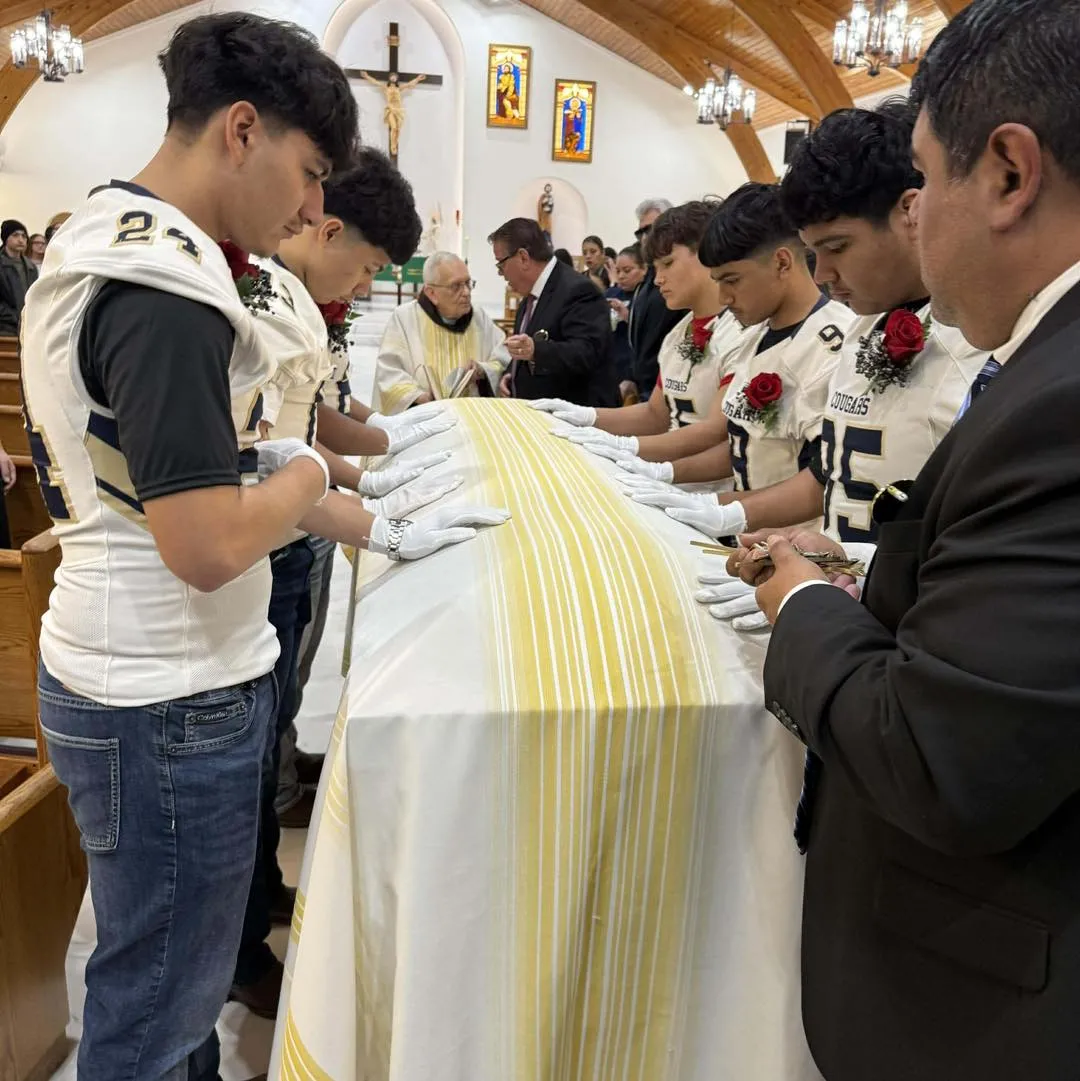
It is a tragedy within a tragedy. We are told that grief is the price we pay for love, but for Denise, the price of saying goodbye has become a debt she can never fully pay. She is a mother carrying a lifetime of devotion with nowhere to lay it down. Her story forces us to ask a haunting question: How does a society allow the dignity of a child’s memory to be determined by the balance of a bank account? Until that stone is placed, Denise remains in a state of suspended mourning—waiting for the day she can finally give her son the permanent place of rest he deserves