Operation Timmy — The World’s First Attempt to Rescue a Stranded Humpback Whale Using Air Cushions
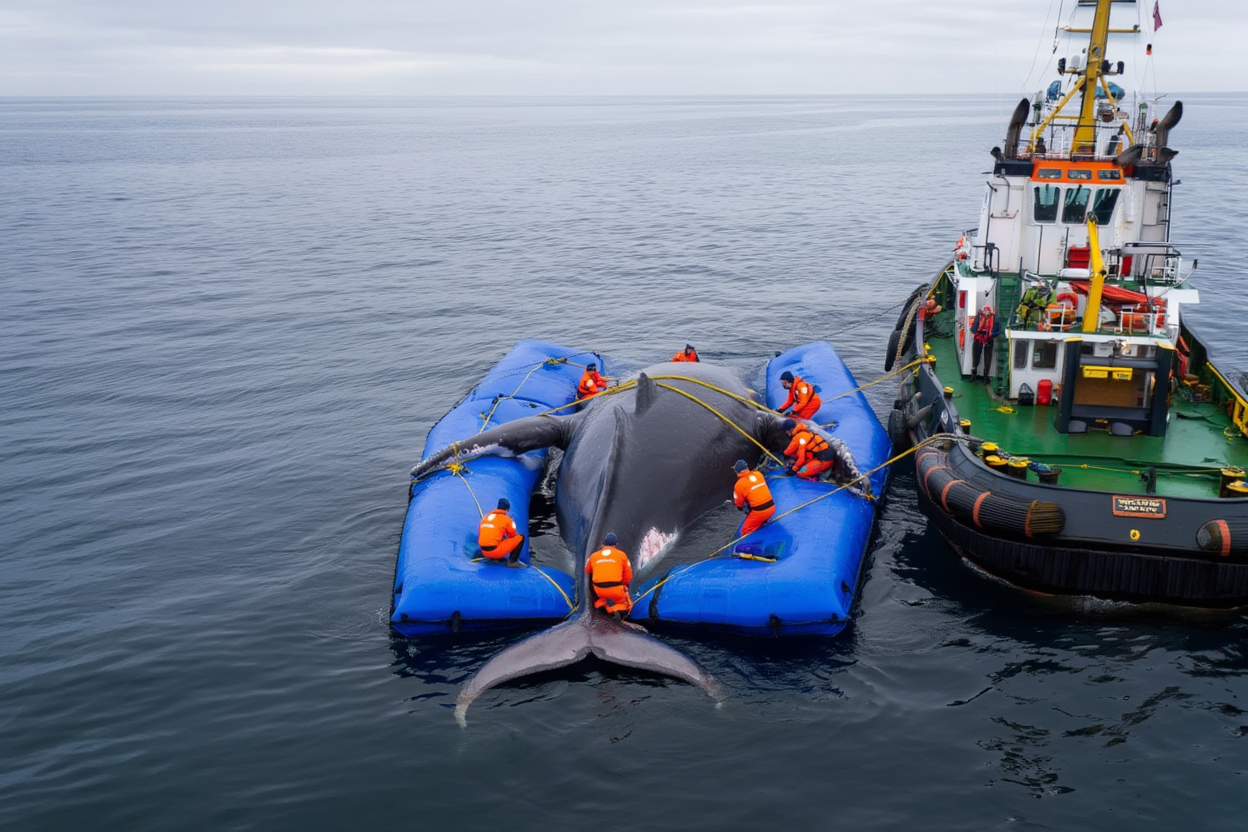
Operation Timmy — The World’s First Attempt to Rescue a Stranded Humpback Whale Using Air Cushions
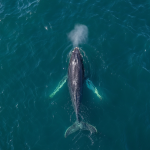
A remarkable and unprecedented rescue operation is unfolding off the coast of Germany, as a team of experts strives to save Timmy, a 13.5-meter humpback whale that has been stranded in shallow waters near the town of Wismar for several weeks. The massive whale, which has captured the attention of millions across Europe, is the focal point of an ambitious mission that is being described as a “race against time.”
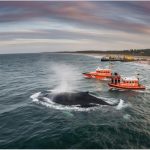
Despite numerous attempts by rescue teams using police boats and excavators to free the whale, all efforts had previously failed. But now, an innovative and groundbreaking plan has been set in motion — one that uses industrial-grade air cushions to gently lift the whale onto a specialized tarp. This new method is designed to minimize further harm to the whale while offering the possibility of safely transporting him to deeper waters and, ultimately, back to the open sea.
The World’s First Use of Air Cushions for Whale Rescue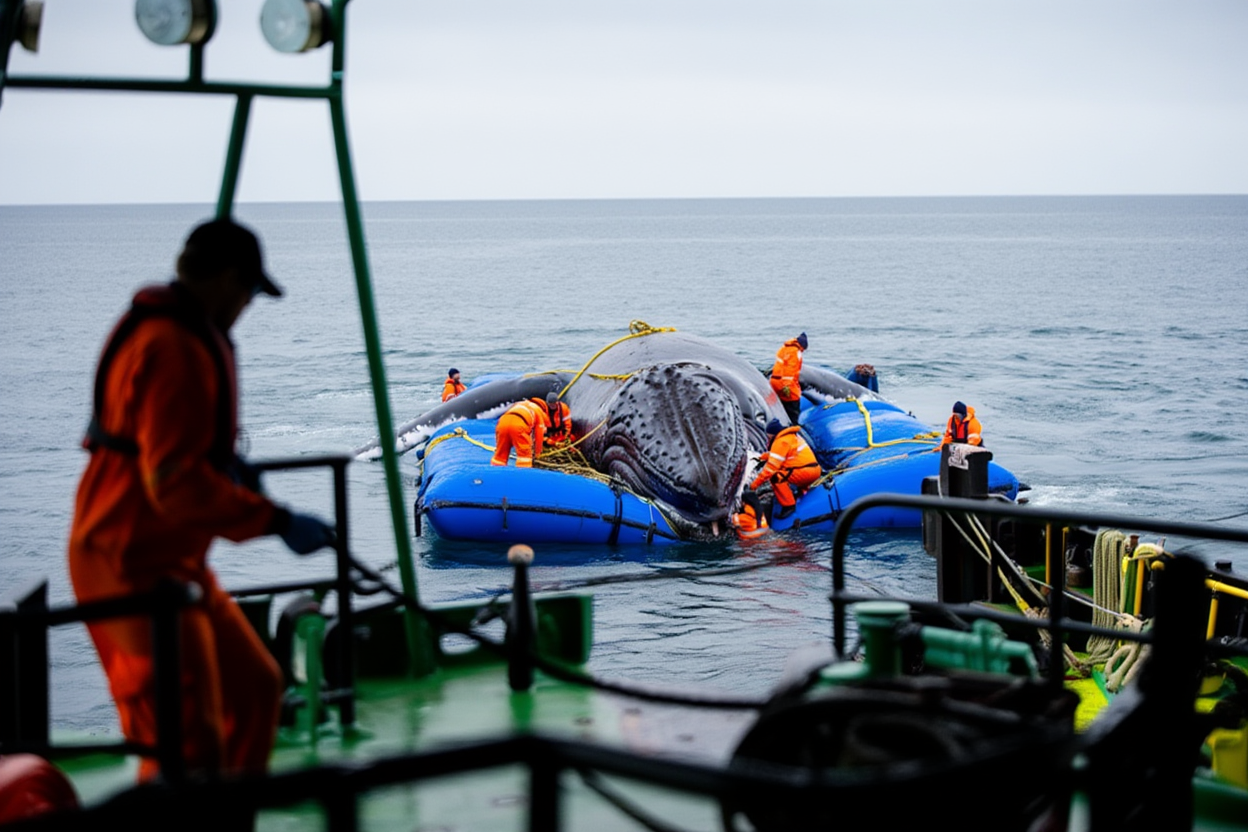
The strategy being employed is nothing short of revolutionary. The industrial-grade air cushions are used to lift the massive whale off the sandy bottom of the shallows, where it has been stuck for weeks. The whale is then carefully placed onto a heavy-duty tarp, which is securely attached to two large pontoons. These pontoons are then connected to a tugboat, which will tow Timmy toward the North Sea and, ultimately, the Atlantic Ocean. The operation is incredibly complex, involving a delicate balance between technical innovation and the life-or-death stakes of the rescue.
This is the first time in history that air cushions have been used in such a rescue operation, marking a significant breakthrough in marine rescue technology. The cushions provide a controlled lift, avoiding the kind of jarring movements that could cause physical trauma to the whale, which is already weak and injured from its long entrapment. The use of pontoons and a tugboat to pull the whale is designed to keep the animal buoyant and secure, ensuring that it is moved as gently and safely as possible.
A Race Against Time — Can Timmy Be Saved?
The stakes couldn’t be higher. The team, led by a group of private entrepreneurs and supported by the state environment ministry, is operating on borrowed time. Experts have stated that while the whale is still alive, it is clear that Timmy’s strength is fading. The team has stated that they have only a limited window to act before the whale’s condition worsens, making the task even more urgent.
State officials approved the risky operation after careful consideration, concluding that Timmy still has “life in him”. Although he is weak, the whale’s physical state was deemed strong enough to withstand the journey. However, every moment counts, and the success of the rescue is far from certain. The team’s primary goal is to get Timmy into deeper waters, where the currents of the North Sea can carry him safely out to the open Atlantic Ocean — his natural home.
National and International Attention — A Global Effort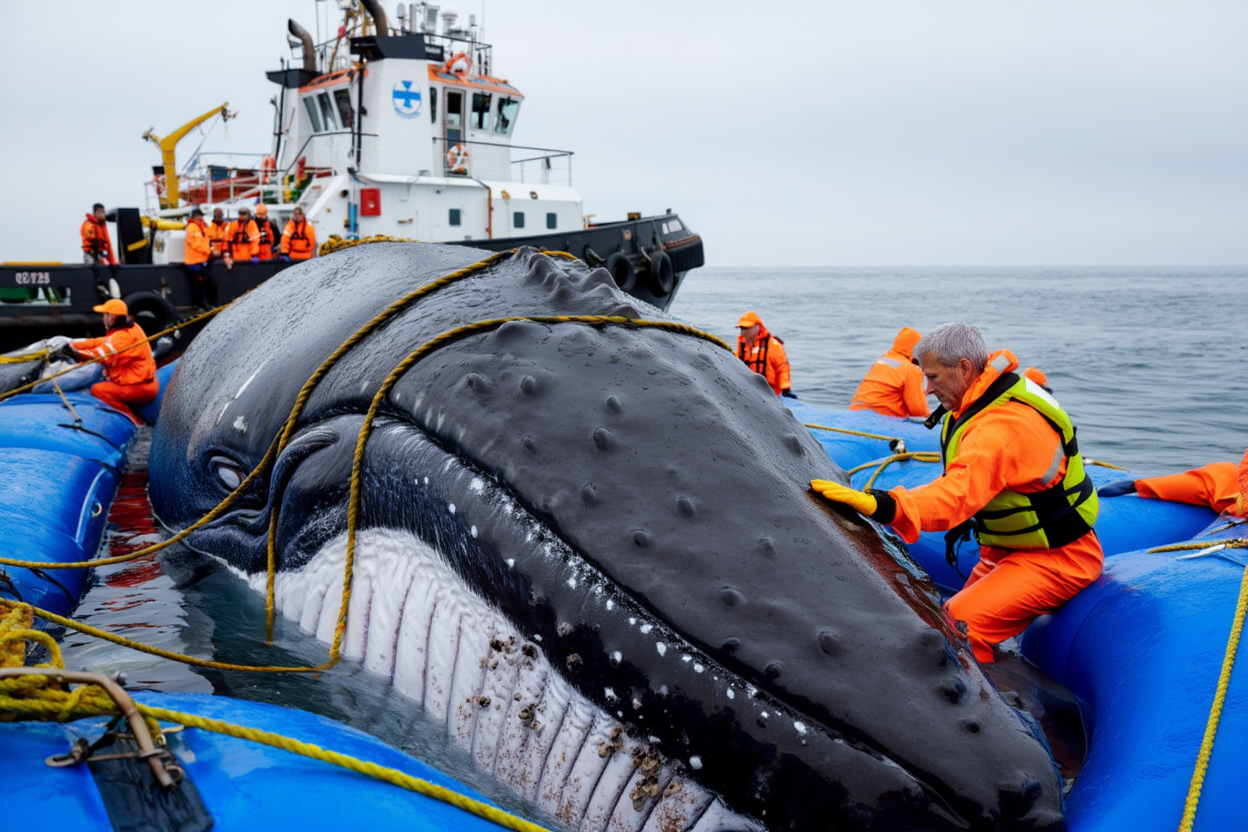
As the rescue team begins their operation, millions of people across Europe are anxiously following the live updates, holding their breath in the hopes that the whale will survive the difficult journey. The rescue has attracted attention not only from marine biologists, environmental groups, and local authorities but also from everyday citizens who are deeply moved by the plight of the whale.
The world is watching as the team makes its way into uncharted waters. If successful, the mission could change the way marine animals are rescued in the future, offering a model for saving other stranded whales, dolphins, and large marine mammals. But the dangers involved are immense, and no one can predict how the whale will react to the rescue attempt.
A Future in the Making — Could This Rescue Revolutionize Marine Conservation?
If this innovative rescue operation is successful, it could have far-reaching implications for the field of marine conservation. The use of air cushions for whale rescue represents a new frontier in the science of marine rescue. For years, rescuers have struggled with the challenge of safely moving large marine mammals, often resorting to drastic and dangerous methods. The breakthrough technology used in this operation could pave the way for safer and more effective rescues in the future.
But even if the operation is successful, there is still the question of what happens next. Will Timmy thrive once he reaches the open ocean? Will the trauma of being stranded for so long take a toll on his health? The team will continue to monitor his condition closely as they work toward his safe release into the wild.
Conclusion — The World Is Waiting
The operation to save Timmy the whale is a moment of hope, innovation, and determination. It’s a race against time, as the team works tirelessly to free the whale and return him to the ocean. Every second counts, and with the eyes of the world on them, the hope is that this operation will be the breakthrough that proves no challenge is too great when humanity and technology work together for the greater good.
Whether or not the rescue is ultimately successful, one thing is clear: the effort to save Timmy will go down in history as a remarkable chapter in marine conservation. As the team moves forward with the operation, millions continue to watch, waiting for the moment when Timmy is safely on his way back to the sea.