National Controversy and Coordinated Action at Ridglan Farms Breeding Facility
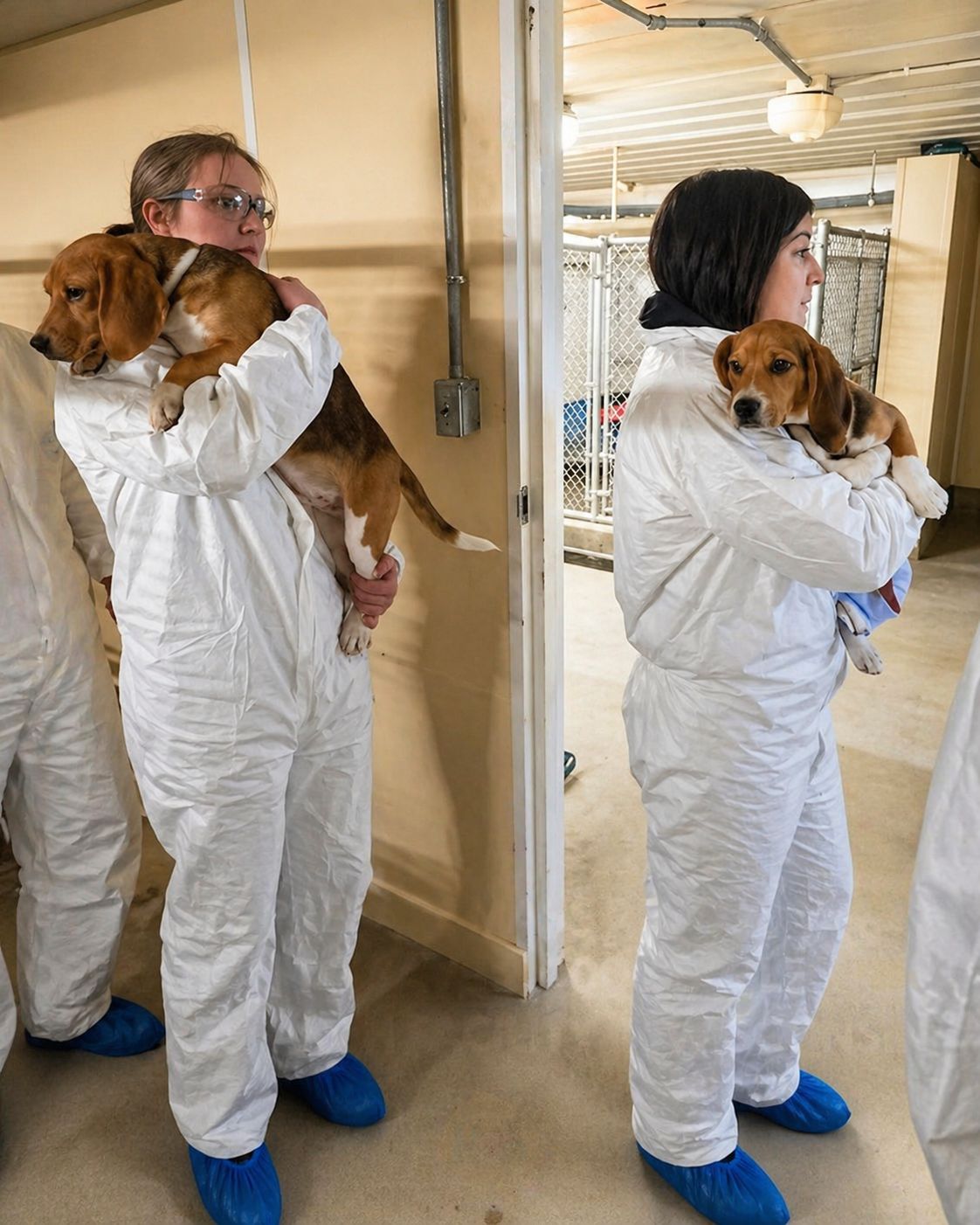
National Controversy and Coordinated Action at Ridglan Farms Breeding Facility
A major controversy is developing in Wisconsin involving Ridglan Farms, a beagle breeding and research facility that has become the focus of intense national attention. Animal rights activists claim that approximately 2,000 dogs are being kept in poor conditions and have announced plans for what they describe as a large-scale, coordinated action they are calling the “Ridglan Rescue.” Organizers say the effort is expected to involve over 1,700 participants and insist it will remain nonviolent, while also acknowledging that those involved could face arrest.
The facility has strongly denied allegations of abuse or neglect. However, it has faced previous scrutiny in relation to reported veterinary violations and concerns raised by regulators and advocacy groups. Ridglan Farms has also agreed to relinquish its state breeding license by July, although reports indicate it may continue certain internal research activities beyond that point.
The planned action has sparked widespread debate across social media and within legal and ethical circles. Supporters of the activists argue the situation highlights ongoing concerns about animal welfare standards in research environments, while others emphasize the importance of legal processes, regulation, and due process in addressing such allegations. As the situation develops, it has become a focal point in the broader discussion about animal research practices, transparency, and the balance between scientific work and animal welfare protections in the United States.

The scale of the proposed “Ridglan Rescue” marks a significant escalation in animal rights activism within the region. Law enforcement and local authorities are reportedly monitoring the situation closely as the deadline for the coordinated action approaches. Both sides remain firm in their positions: activists view this as a moral necessity to save animals from suffering, while the facility maintains it operates within the bounds of the law. The outcome of this standoff could set a precedent for how animal research facilities are scrutinized and challenged by public advocacy groups in the future.