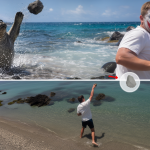
BREAKING COURT UPDATE: IGOR LYTVYNCHUK PLEADS NOT GUILTY IN HAWAIIAN MONK SEAL CASE
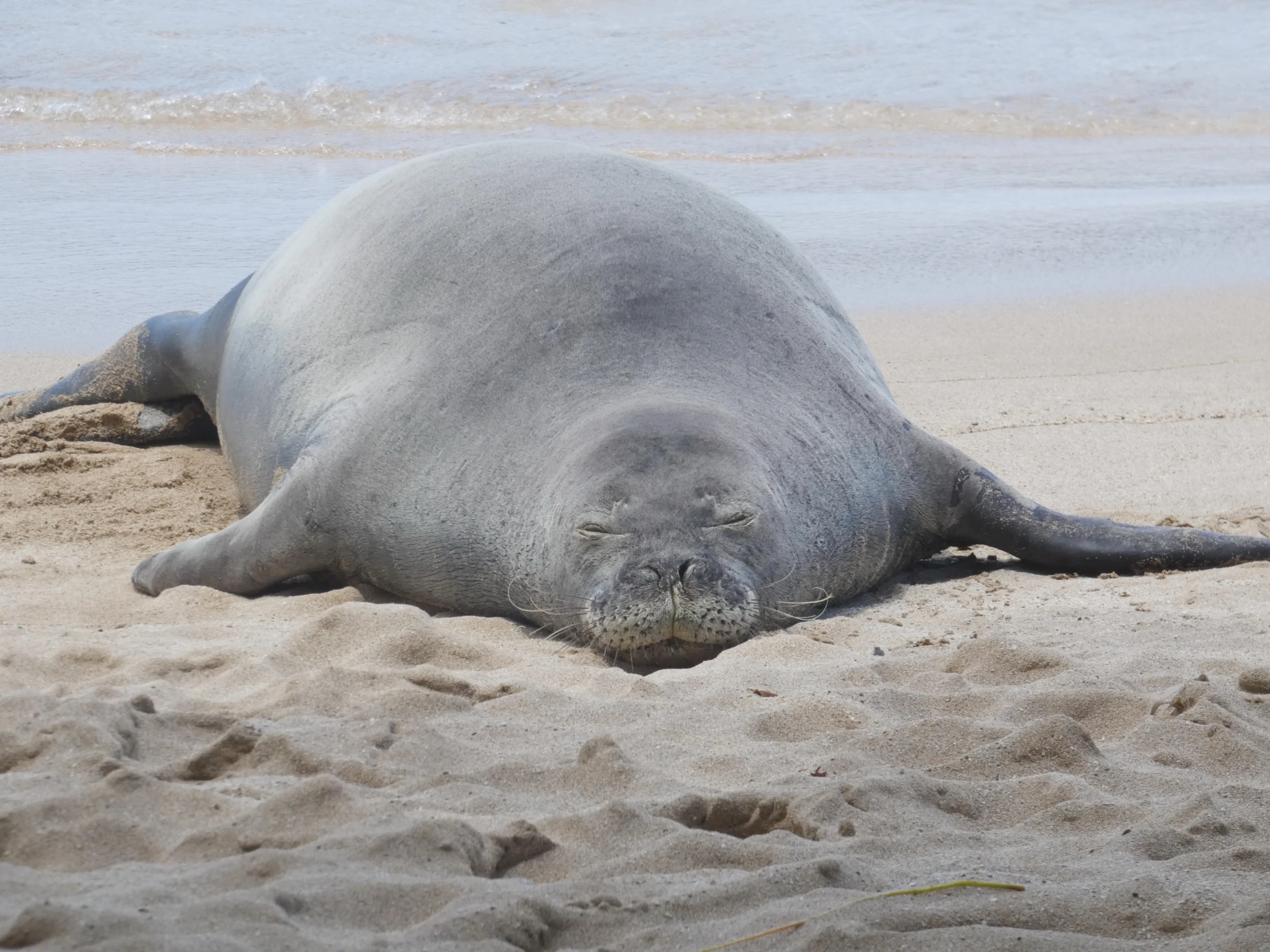
BREAKING COURT UPDATE: IGOR LYTVYNCHUK PLEADS NOT GUILTY IN HAWAIIAN MONK SEAL CASE
HONOLULU, HAWAII — 28/05/2026 — The controversial case involving Igor Lytvynchuk and a Hawaiian monk seal has taken a dramatic turn. Today, Lytvynchuk officially pleaded not guilty in U.S. federal court after being accused of throwing a large rock at the endangered marine mammal.
The courtroom drama has sparked intense debate online, as the incident continues to divide public opinion.
Court Imposes Immediate Restrictions
In addition to entering a plea, the judge issued an immediate order:
- Lytvynchuk must stay away from all Hawaii beaches
- He is prohibited from contacting or approaching any marine wildlife while the case proceeds
Legal experts say these measures are standard in cases involving endangered species to prevent further potential harm.
Social Media Reacts Strongly
Online reactions erupted within hours:
- Critics argue the restrictions are too lenient and that the accused should face stricter measures immediately.
“He threw a rock at a critically endangered seal — this isn’t minor!” one user tweeted.
- Supporters emphasize the importance of due process and note that the plea of not guilty grants Lytvynchuk the right to defend himself in court.
“Everyone deserves a fair trial before we jump to conclusions,” a comment on Reddit read.
TikTok compilations, Instagram discussions, and Twitter threads analyzing the case have collectively reached millions of viewers, highlighting the intense public fascination with wildlife protection, justice, and accountability.
Legal Implications
Hawaiian monk seals are one of the rarest marine mammals in the world, strictly protected under U.S. federal law.
If convicted, Lytvynchuk could face:
- Up to 1 year in prison per charge
- Fines up to $170,000
- Possible supervised release or additional restrictions
Federal prosecutors emphasize that intent is not always necessary for violations involving endangered species — even accidental or ignorant actions can carry severe penalties.
What’s Next
The next hearing is scheduled for June 9, when further proceedings will examine evidence, witness testimonies, and arguments from both the prosecution and defense.
Until then, public attention remains high, with social media users continuing to debate the central question of the case:
Should ignorance of the law be a valid excuse when it comes to protected wildlife?
Wildlife advocates stress the importance of understanding local protections, while some members of the public sympathize with Lytvynchuk, pointing to claims of misunderstanding and lack of intent.
The case is far from over, and as courtroom proceedings continue, millions are watching closely — eager to see whether this incident will be remembered as a misunderstanding, a legal cautionary tale, or something more serious.