Real Leadership Requires True Empathy: Why One Mayor Chooses to Sleep in a Local Homeless Shelter
Real Leadership Requires True Empathy: Why One Mayor Chooses to Sleep in a Local Homeless Shelter
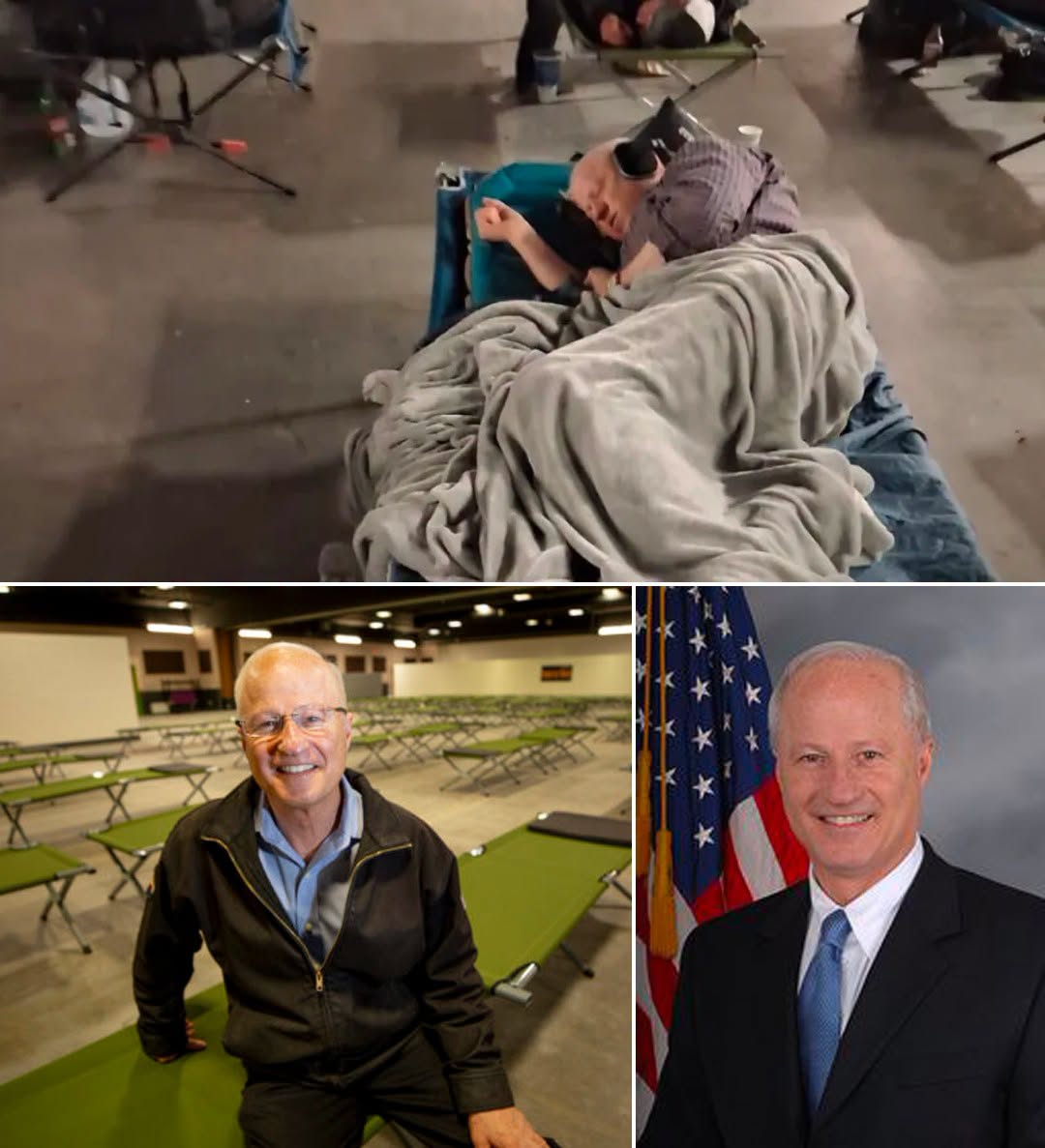
While it is common for politicians to visit community shelters for a brief photo opportunity or a scripted press event, the mayor of Aurora, Colorado, chose a significantly different approach. For months, 71-year-old Mike Coffman has spent many of his Friday nights and Saturday mornings sleeping on a simple cot inside the city’s homeless shelter. He does not do this out of necessity, but out of a profound desire to understand the raw reality of the people he was elected to serve.
The shelter itself was originally created with the mayor’s legislative support. However, when reports began to surface regarding systemic issues like plumbing failures, mold, and inconsistent management rules, he refused to rely solely on paperwork or official briefings. Wanting firsthand insight, he decided to check in just like any other resident. Each night he stays, Coffman receives the exact same basic essentials as every other guest: a standard cot, a blanket, and a space on the floor. In the morning, he joins the volunteer shift to hand out milk during breakfast before sitting down with residents to listen to their personal stories.’
The facility operates on a transitional design, created to help individuals rebuild their lives step by step. The initial tier offers emergency overnight shelter, while the subsequent levels require residents to actively partner with case managers, develop vital life skills, secure employment, and eventually transition into independent housing. Spending this extended, quiet time alongside the city’s unhoused population fundamentally shifted the mayor’s perspective on governance and social support.
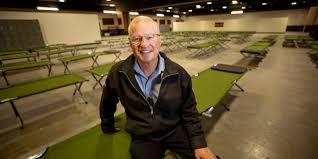
Reflecting on his experiences, Coffman noted that the sheer complexity of homelessness makes it impossible to generalize or categorize people under a single label. He emphasized that leaders must learn to see these individuals as distinct human beings with unique struggles, admitting that the experience has ultimately made him a more compassionate policymaker. He intends to continue his weekend stays until the facility successfully meets its goals and can serve as a viable model for other cities. Ultimately, his actions serve as a powerful reminder that the best way to understand a community’s struggle is not by analyzing a spreadsheet from afar, but by standing directly beside them.