Brazil Rope-Jump Tragedy Sparks Debate Over Safety Rules, Unauthorized Adventure Activities and Who Was Responsible for Skeleton Bridge
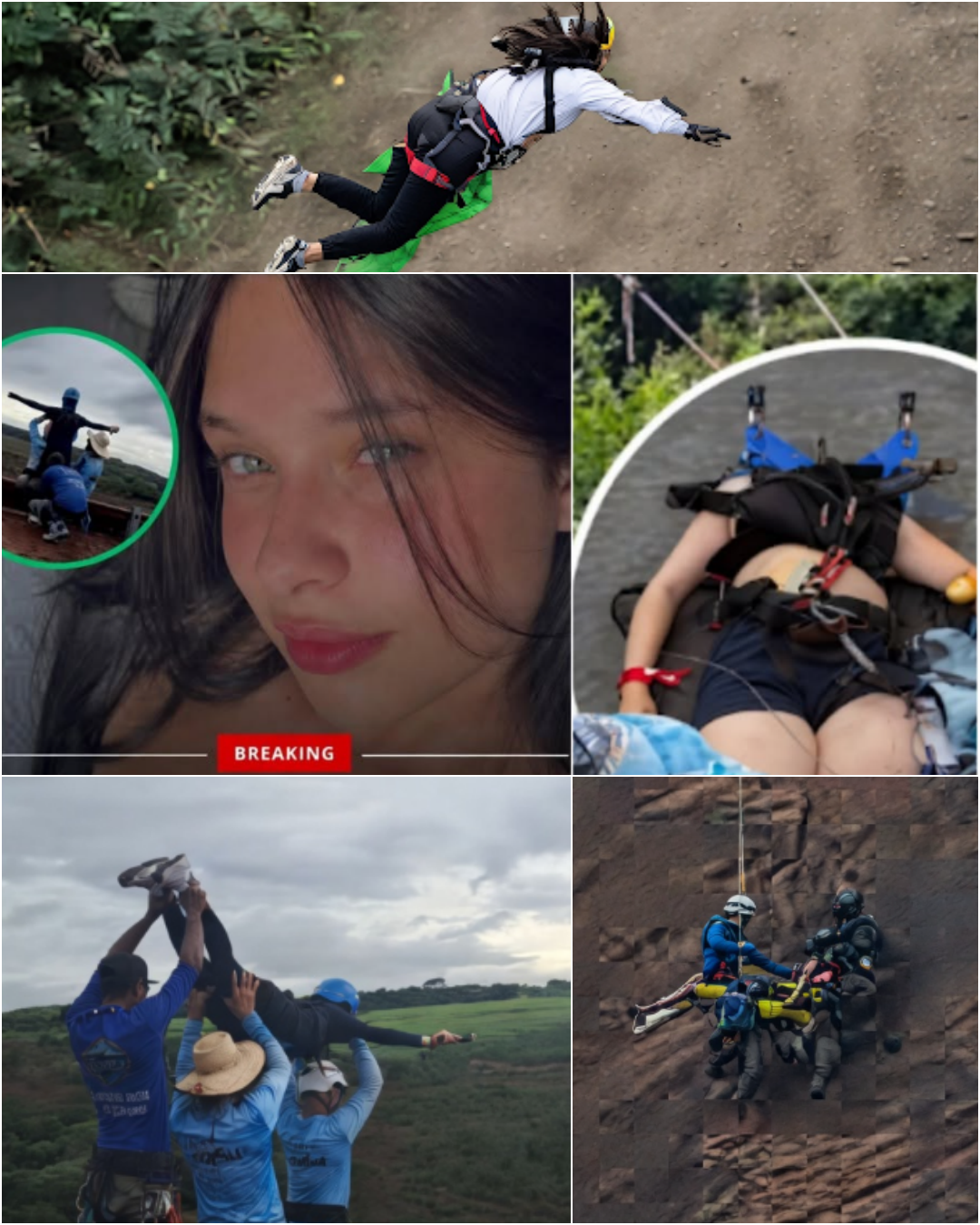
The tragic death of 21-year-old Maria Eduarda Rodrigues de Freitas has become more than a criminal investigation. It has now opened a wider national debate in Brazil about extreme sports, public safety, and how an abandoned bridge became the setting for a fatal rope-jump activity.
Maria died on June 13, 2026, at Ponte do Esqueleto, known as Skeleton Bridge, in Limeira, São Paulo. She had gone there to take part in a rope-jump experience, a high-risk activity in which participants are launched from a bridge or platform while attached to ropes that create a swinging motion after the fall.
But according to investigators, Maria was launched without being connected to the main safety rope.
The mistake was not small. It was the one step that should never be missed.
After the tragedy, police arrested three men linked to the operation. Authorities are investigating whether those involved ignored basic safety procedures and exposed Maria to a deadly risk. But as the case develops, a bigger question has emerged: how was this activity allowed to happen at that location in the first place?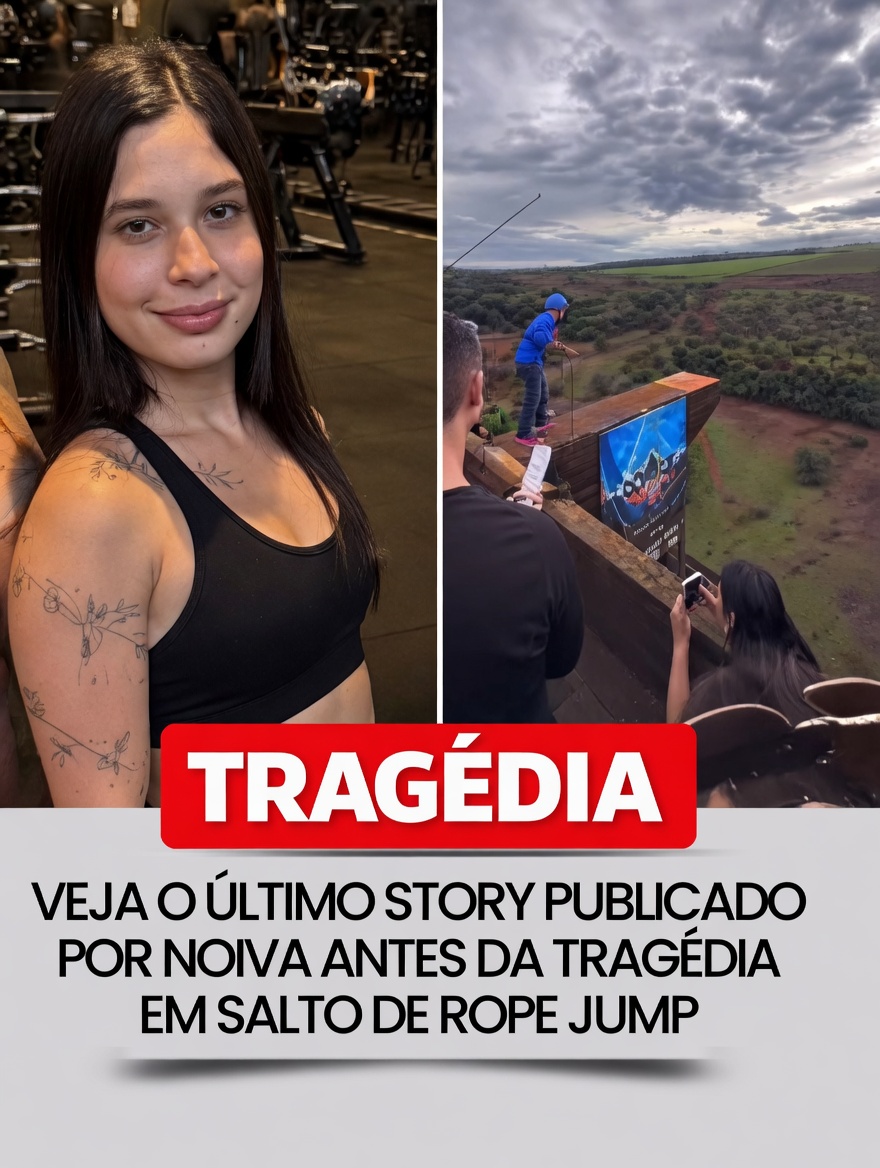
Reports from Brazilian media say the rope-jump operation at Skeleton Bridge was not properly authorized. The company or group connected to the activity reportedly did not have permission to carry out sports operations in the area. That detail has intensified public anger because Maria and other participants may have believed they were joining a controlled and supervised adventure experience.
For many people, the case is no longer only about one team failing to attach a rope. It is also about a system that may have failed before Maria ever reached the edge of the bridge.
Skeleton Bridge is not a regular tourist attraction with clear safety infrastructure. It is an abandoned railway structure that had become known among thrill seekers and extreme sports groups. Over time, the bridge drew people looking for adrenaline, photos, and viral moments. But reports suggest the area lacked the kind of strict oversight expected for a place where people were being launched from a height of around 40 meters.
That lack of oversight has now become central to the debate.
Brazilian media has reported that rope jump exists in a difficult legal space. The activity is not necessarily banned in Brazil, but there are concerns about the absence of specific rules, inspections, and national standards for how it should be conducted. Without clear regulation, safety may depend too much on the people operating each event.
That is exactly what critics say should never happen.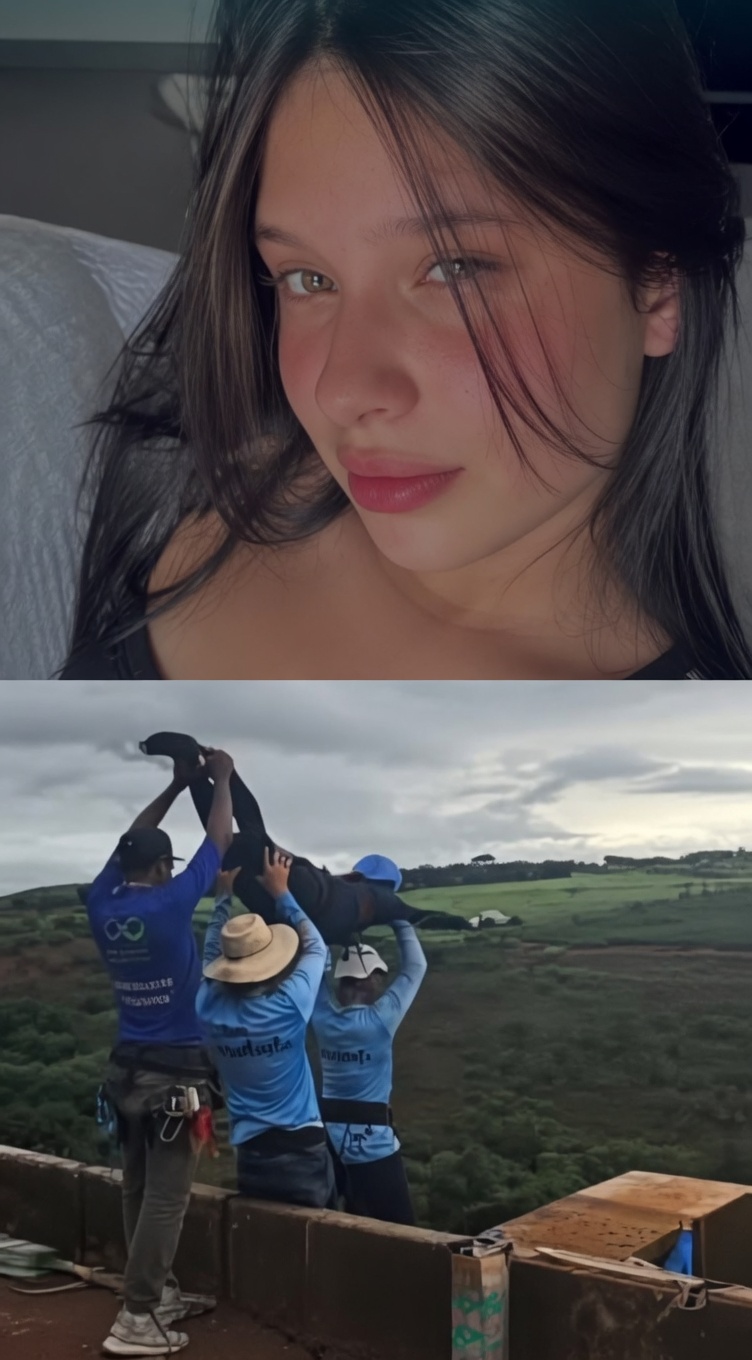
In a high-risk activity, responsibility must be clear before anything begins. There should be trained professionals, written procedures, double-check systems, emergency planning, permits, rescue access, equipment inspection records, and a final safety confirmation before every launch.
Maria’s case shows what can happen when any of those protections break down.
Witnesses reportedly shouted warnings before she was released, while video from the scene appeared to show the safety rope still on the platform. Investigators later said the rope was never connected. The three men involved allegedly failed to clearly explain who was responsible for checking or attaching the rope before the launch.
That confusion has become one of the most painful parts of the investigation.
If no one knew who had the final responsibility, then the safety system had already failed.
The debate has also reached questions about the bridge itself. Local and federal authorities have reportedly exchanged responsibility over who should have secured the area and restricted unauthorized access. The city has said it had requested action regarding the site, while federal authorities have said the activity was irregular and not authorized.
For Maria’s family, those arguments may feel painfully late.
Their daughter is gone. A young woman who had dreams, energy, and a future lost her life in a moment that investigators believe could have been prevented. Now, her name is being used in a broader discussion about how Brazil handles extreme sports and abandoned public structures used for risky activities.
The public reaction has been intense because the tragedy touches a fear many people understand: the fear of trusting professionals and discovering too late that the system behind them was not safe.
When someone signs up for an adventure activity, they are not simply paying for excitement. They are placing their life in the hands of the organizers. They trust the ropes. They trust the harnesses. They trust the instructors. They trust that if anything is wrong, the launch will not happen.
Maria trusted that system.
Now, investigators must determine whether that trust was betrayed by negligence, poor organization, lack of authorization, or all of these factors combined.
The case is still under investigation, and no final verdict has been announced. The suspects are entitled to defend themselves in court. But the questions raised by Maria’s death will likely remain even after the criminal case moves forward.
Should rope-jump activities be regulated more strictly? Should abandoned structures used for extreme sports be closed or controlled? Should operators be required to prove training, insurance, emergency planning, and government authorization before offering paid jumps? And who should be held responsible when dangerous activities happen in public spaces without proper permission?
Maria Eduarda Rodrigues de Freitas went to Skeleton Bridge looking for an adventure.
Her death has now become a warning.
Extreme sports can be thrilling, but thrill cannot exist without responsibility. Adventure companies cannot rely on improvisation when lives are at stake. Public authorities cannot ignore dangerous sites until tragedy forces action. And safety procedures cannot be treated as optional details.
One missing rope ended one young woman’s life.
Now Brazil is being forced to ask how many warning signs were missed before that final moment.