
Pope Leo XVI DELIVERS POWERFUL CONDEMNATION OF GLOBAL TREATMENT OF MIGRANTS — “NO HUMAN BEING IS LESS THAN ANOTHER”
- KimLoan
- May 4, 2026
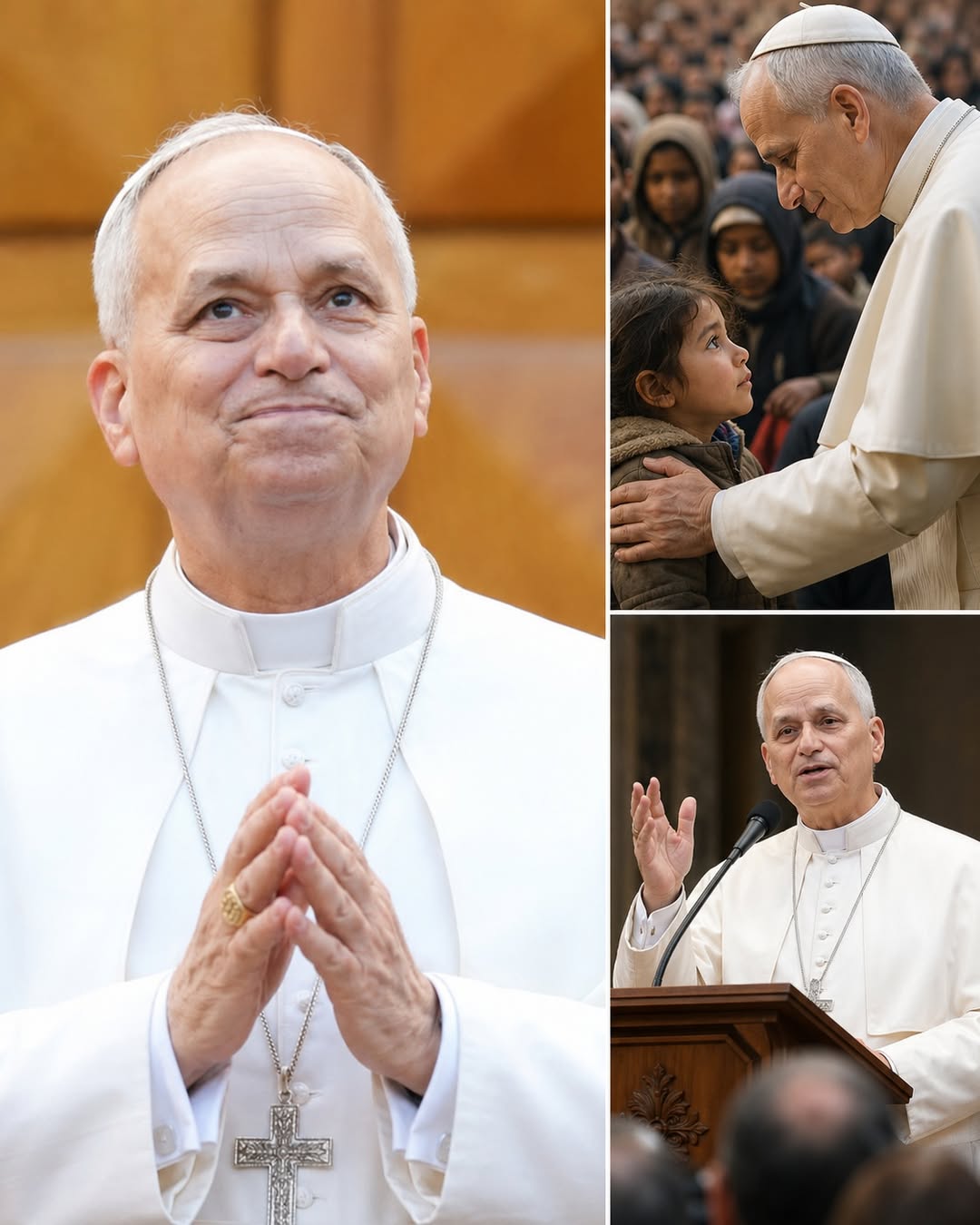
In a strongly worded and emotionally charged address delivered on Thursday, Pope Leo XVI publicly condemned the way migrants and refugees are treated across the world, calling attention to what he described as a growing moral crisis in modern society.
Speaking before a large gathering at St. Peter’s Square in Vatican City, the Pope did not hold back in his criticism, using some of the strongest language of his papacy to address the issue.
He stated clearly that many individuals fleeing violence, war, and extreme poverty are being treated with a level of disregard that strips them of their dignity as human beings.
In a line that quickly resonated around the globe, he declared that migrants are too often regarded as “worse than pets or animals,” a comparison that drew immediate attention and sparked widespread discussion.
The statement was met with a mixture of silence and emotion among those present, many of whom appeared visibly moved by the gravity of his words.
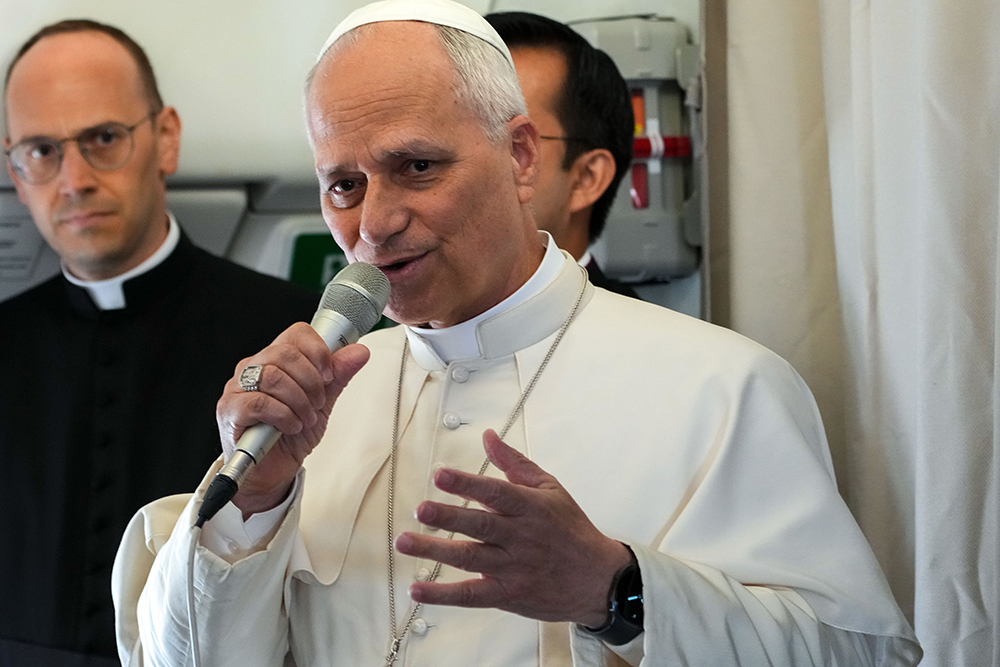
According to observers, the tone of the address shifted from reflective to urgent as the Pope emphasized the human cost behind political decisions and social attitudes.
He spoke not only as a religious leader but as a moral voice urging compassion, responsibility, and action.
“Every person who crosses a border in search of safety carries a story of suffering, courage, and hope,” he said.
“To deny them dignity is to deny our shared humanity.”
The Pope went on to criticize systems and policies that prioritize control over compassion, warning that indifference toward human suffering could have long-term consequences for global stability and moral integrity.
He acknowledged the complexity of migration issues but insisted that complexity must never be used as an excuse for cruelty or neglect.
“Security is important,” he noted, “but it must never come at the expense of compassion.”
Throughout the address, Pope Leo XVI repeatedly returned to the idea that empathy should guide decision-making at every level of society.
He called on world leaders, policymakers, and citizens alike to rethink their attitudes and actions toward migrants and refugees.
His message extended beyond governments, urging individuals to confront their own biases and assumptions.
“Ask yourself how you would want to be treated if you were forced to leave everything behind,” he said.
“Would you not hope for kindness, understanding, and a chance to begin again?”
The reaction to the speech was immediate and global.
Supporters praised the Pope for speaking out with clarity and courage on an issue that often divides nations.
Humanitarian organizations welcomed the remarks, describing them as a powerful reminder of the ethical responsibility to protect vulnerable populations.
Many activists shared excerpts of the speech across social media, amplifying its message and encouraging further discussion.
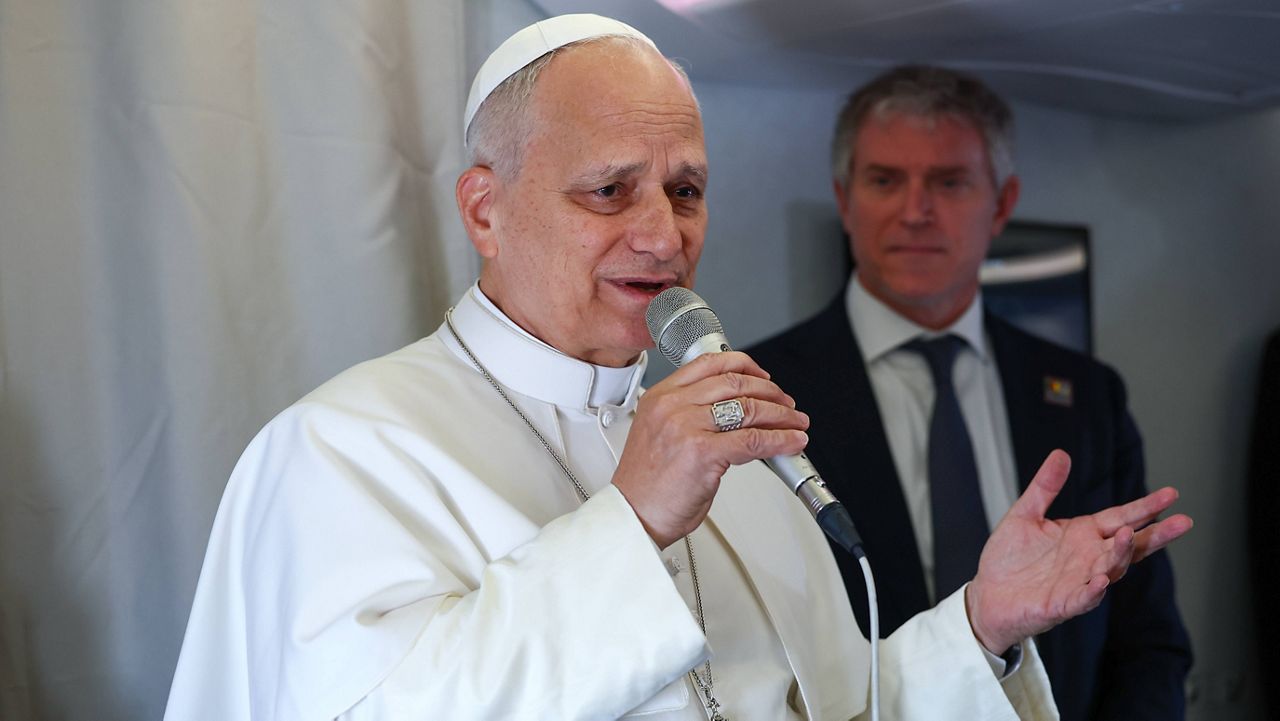
However, the address also drew criticism from some political figures who argued that migration policies must remain firm in order to maintain national security and economic balance.
Despite differing opinions, the Pope’s words succeeded in reigniting a global conversation about the treatment of migrants.
Experts noted that religious leaders have historically played a significant role in shaping moral perspectives on social issues, and this speech continues that tradition.
By framing migration as a human issue rather than solely a political one, Pope Leo XVI challenged audiences to see beyond statistics and headlines.
Back at Vatican City, officials indicated that the Pope’s remarks were part of a broader effort to promote social justice and human dignity.
They emphasized that the Church has long advocated for the protection of migrants and refugees, viewing it as a core moral obligation.
In the hours following the speech, churches in various countries reported increased attendance, with many congregations holding discussions and prayer services focused on migration and compassion.
For those who witnessed the address in person, the moment was described as both sobering and inspiring.
“It felt like he was speaking directly to each of us,” one attendee said.
“Not just as a leader, but as someone asking us to be better.”
As the world continues to grapple with complex migration challenges, the Pope’s message stands as a call to conscience.
It does not offer simple solutions, but it demands a deeper reflection on values and priorities.
In a time marked by division and uncertainty, his words serve as a reminder that humanity must remain at the center of every decision.
Whether his message will lead to tangible change remains to be seen.
But one thing is certain: the conversation he has ignited is far from over.