HEARTBREAKING WARNING FROM THE PACIFIC NORTHWEST — 18 GRAY WHALES FOUND DEAD THIS SEASON.
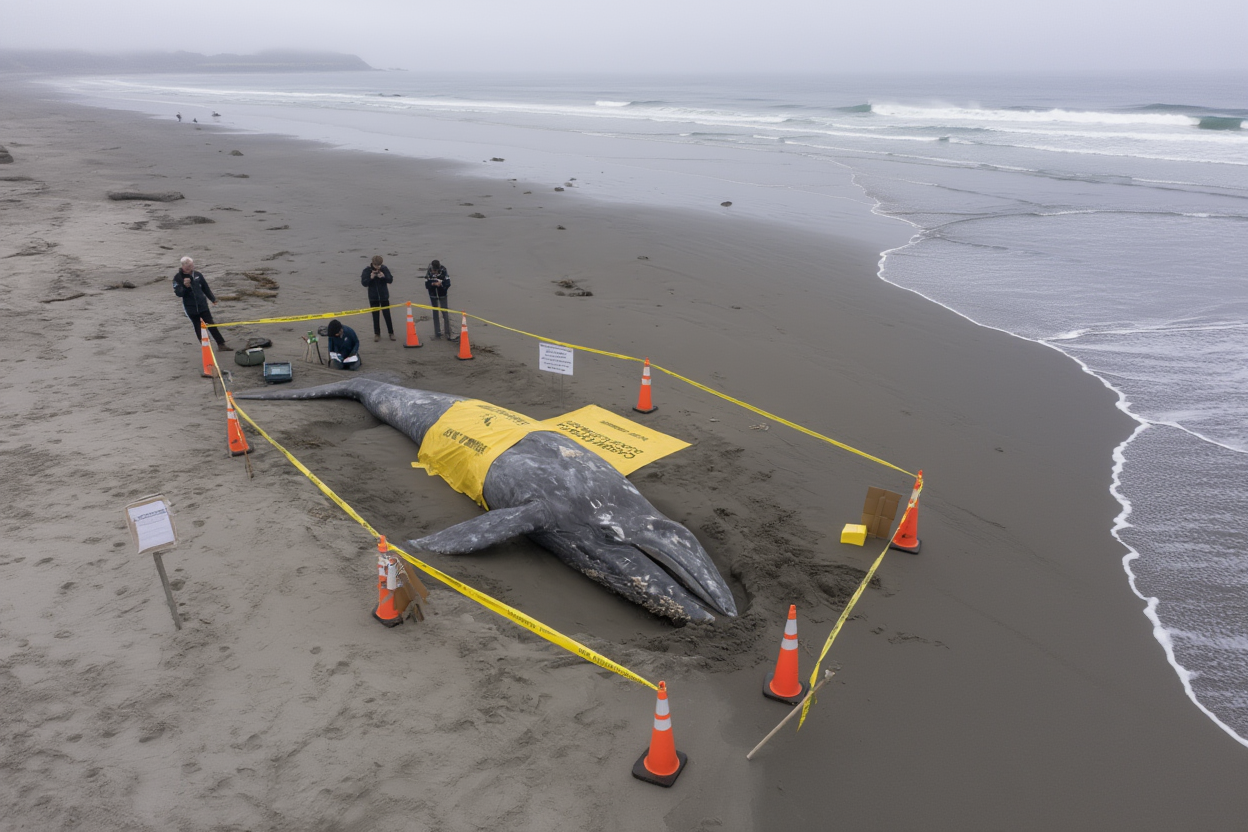
HEARTBREAKING WARNING FROM THE PACIFIC NORTHWEST — 18 GRAY WHALES FOUND DEAD THIS SEASON.
Scientists are raising alarm after 18 gray whales were found dead along the coasts of Washington and Oregon this season. Preliminary studies indicate that the main cause is starvation linked to warming Arctic waters, which are disrupting the tiny prey — such as amphipods and other small invertebrates — that gray whales rely on during their 12,000-mile annual migration. 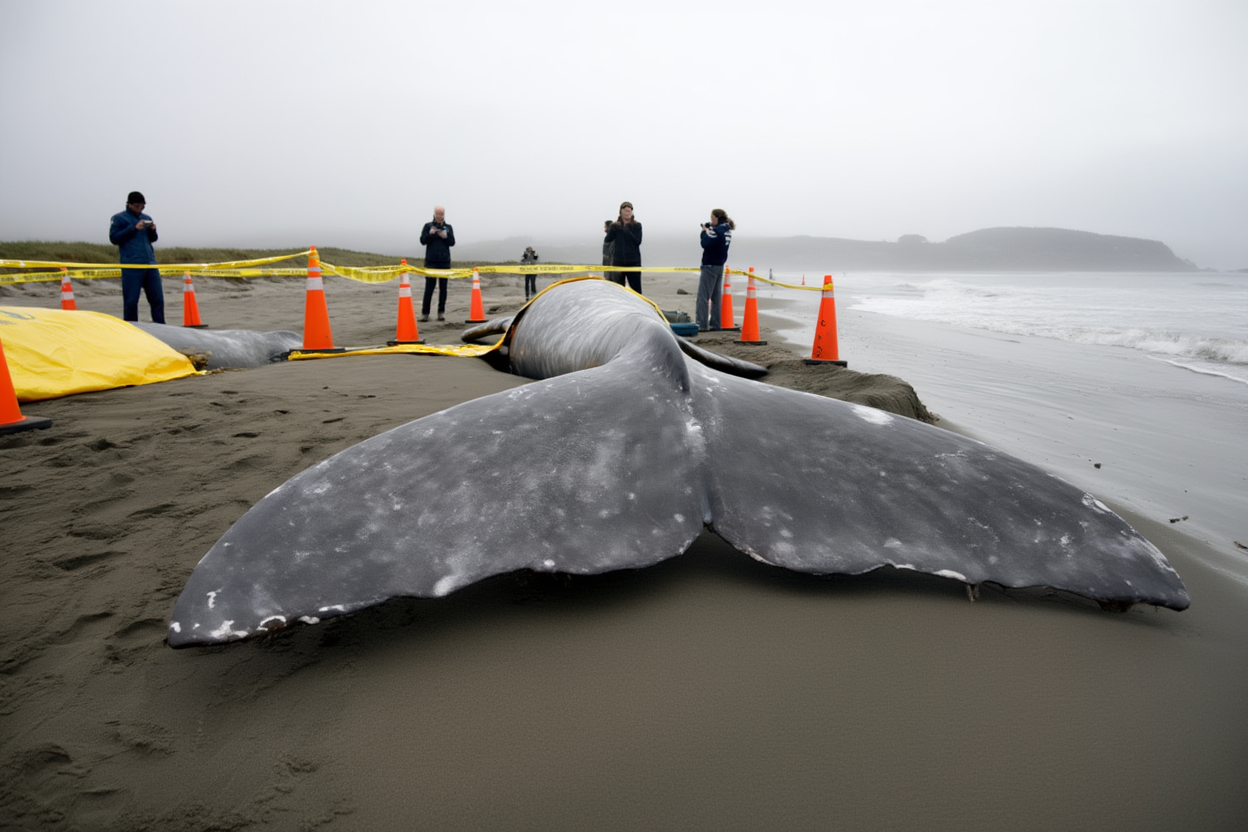
Gray whales are considered sentinel species, meaning their health reflects the broader state of the ocean ecosystem. Each stranding is now being carefully studied to understand the impacts of climate change, ocean temperature shifts, and food scarcity on marine life, and to help protect future generations of whales.
Experts warn that warming oceans are forcing whales to travel further and expend more energy to find food, leading to malnutrition, weakness, and sometimes death. The current mass stranding season is an urgent reminder of how climate change directly affects marine wildlife.
Officials emphasize: never approach stranded or distressed whales. Instead, report sightings to local marine stranding networks immediately to ensure these majestic creatures receive the help they need.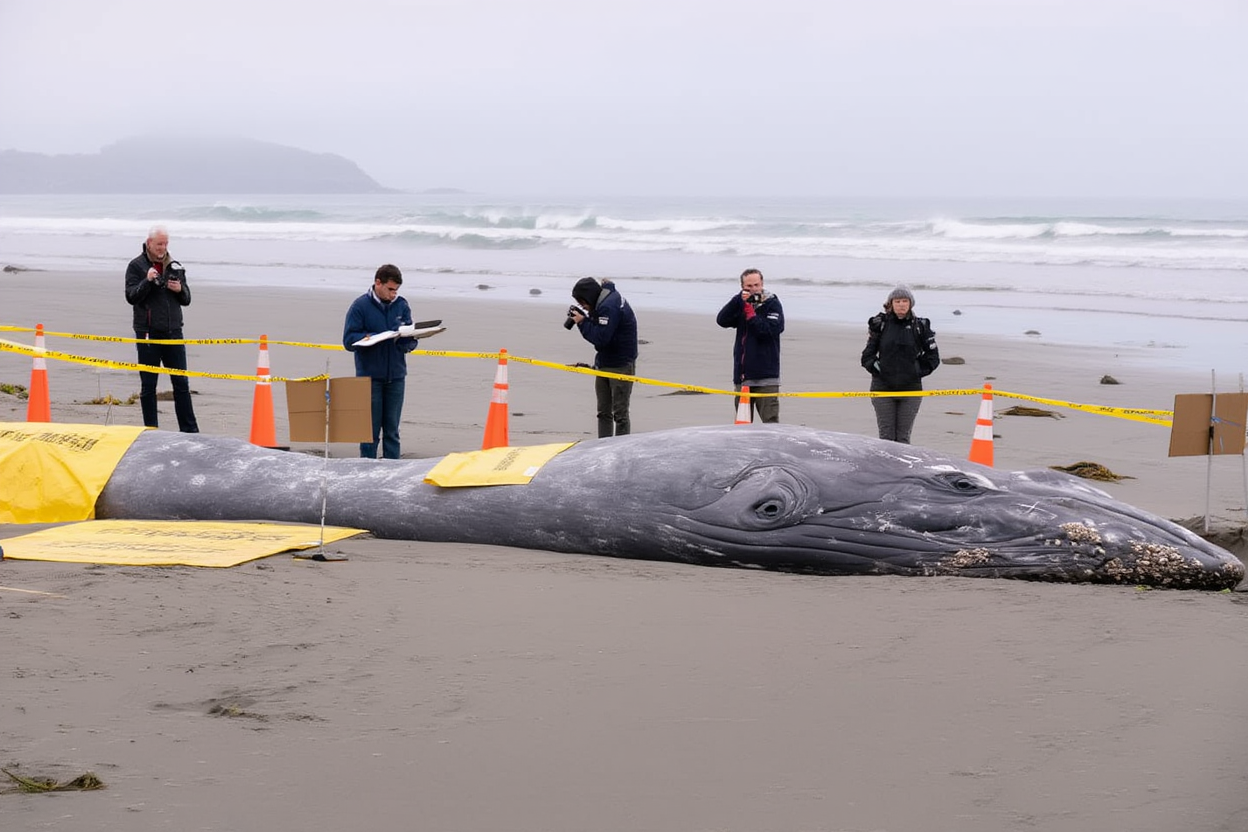
Conservationists say protecting gray whales is not just about saving a single species — it’s about preserving the delicate balance of ocean ecosystems and taking urgent action against the factors driving these tragic events.