
When you reflect on the complexities of this case, does it change how you view the importance of “emotional mastery” and self-worth as the foundation for any healthy relationship?
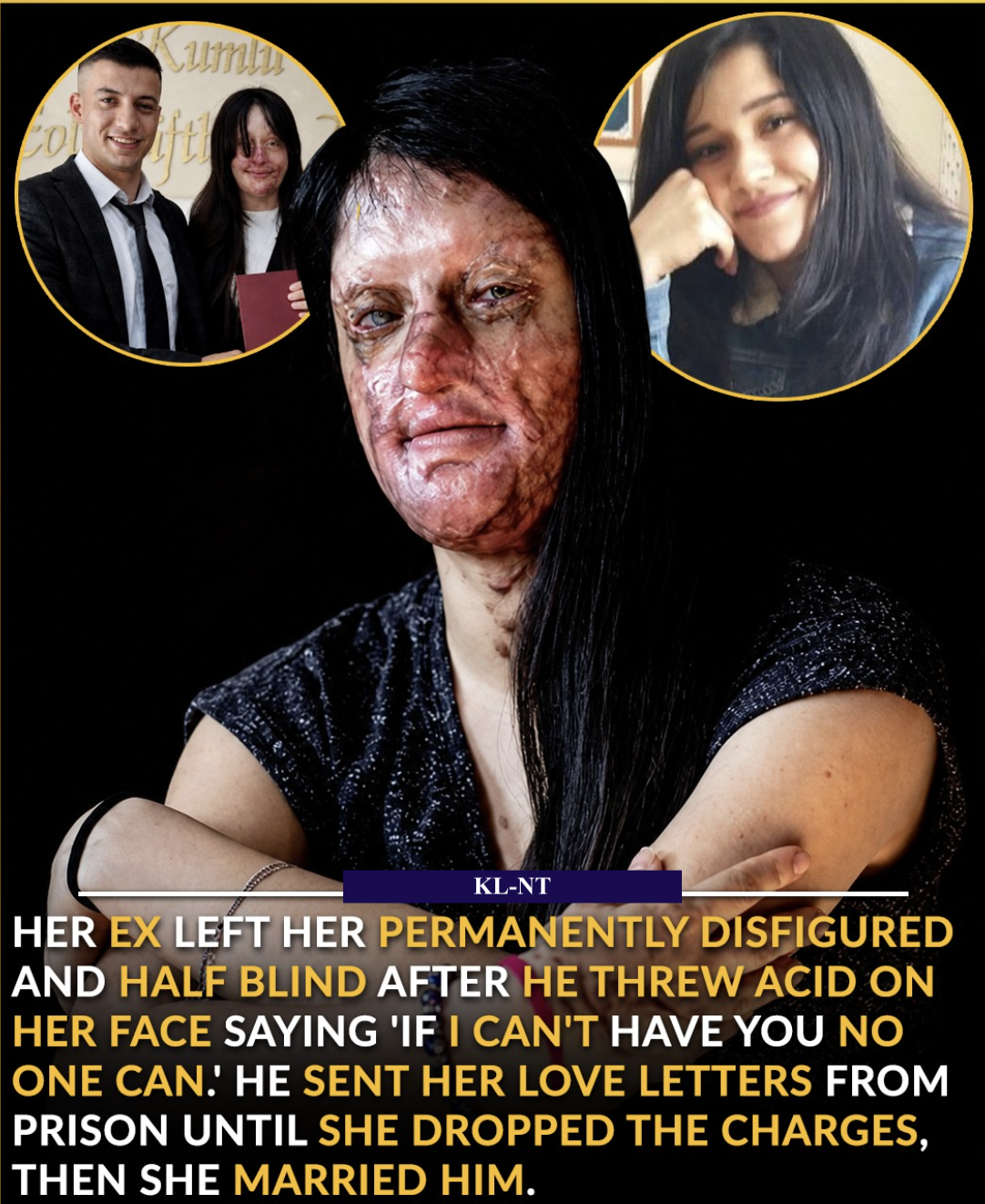
The story of Berfin Özek is one of the most polarizing and difficult cases in the global conversation surrounding domestic violence. It is a narrative that challenges our understanding of “mastery” over one’s own life and forces us to look directly into the “unimagined darkness” of trauma bonding and psychological dependency.
On this Monday, May 11, 2026, as we reflect on the many faces of love and resilience we’ve discussed today, Berfin’s story stands as a “bold declaration” of a different kind—a warning about the “dangerous illusions” that can exist within abusive cycles.
The Anatomy of a “Love That Kills”
-
The Physical Toll: The attack in Hatay was an act of extreme “unnecessarily harsh” violence. To endure multiple reconstructive surgeries and permanent vision loss is a journey of physical “perseverance” that most cannot fathom.
-
The Psychological Entrapment: When the legal team stated, “We do not want love that kills,” they were addressing the heart of the tragedy. Experts in domestic abuse often point out that when a survivor is isolated and traumatized, “apologies and promises” from the abuser can feel like the only “safe harbor” available, even when that person is the source of the pain.
-
The Sibling/Parental Heartbreak: Berfin’s father’s reaction—feeling that years of fighting for her safety had ended in tragedy—highlights how abuse ripples through a family. It serves as a reminder that “protection” is a complex labor that sometimes cannot overcome the deep “emotional pressure” a survivor feels.
Redefining the Standard of Love
As we have seen in other stories today—from Alba and Luca’s bond of chosen family to the matador who chose mercy—real strength is found in protection and peace. Berfin’s story serves as a somber counterpoint, teaching us that:
-
Love is Not Control: If a relationship requires “fear, violence, or suffering” to exist, it has moved out of the realm of love and into the realm of control.
-
Support Without Judgment: While the public backlash was intense, survivors of extreme trauma often require long-term “psychological mastery” and community support to break free from the “isolation” created by their attackers.
-
Safety is a Right: No one should ever have to trade their physical safety for the feeling of being “wanted.”
A Call for Awareness
This story is a “quiet, devastating argument” for the necessity of domestic violence resources and emotional education. It reminds us that we must “support survivors and listen without judgment,” because the path to healing is rarely a straight line.
In a world where we celebrate “unwavering faith” and “unconditional love,” we must also remain vigilant in ensuring that those powerful forces are never weaponized against the vulnerable.
When you reflect on the complexities of this case, does it change how you view the importance of “emotional mastery” and self-worth as the foundation for any healthy relationship?
🕯️🕊️🤍