🚨 HEARTBREAKING UPDATE NO MOTHER WANTS TO TELL… The hospital room fell into a deathly silence as the scan results came back
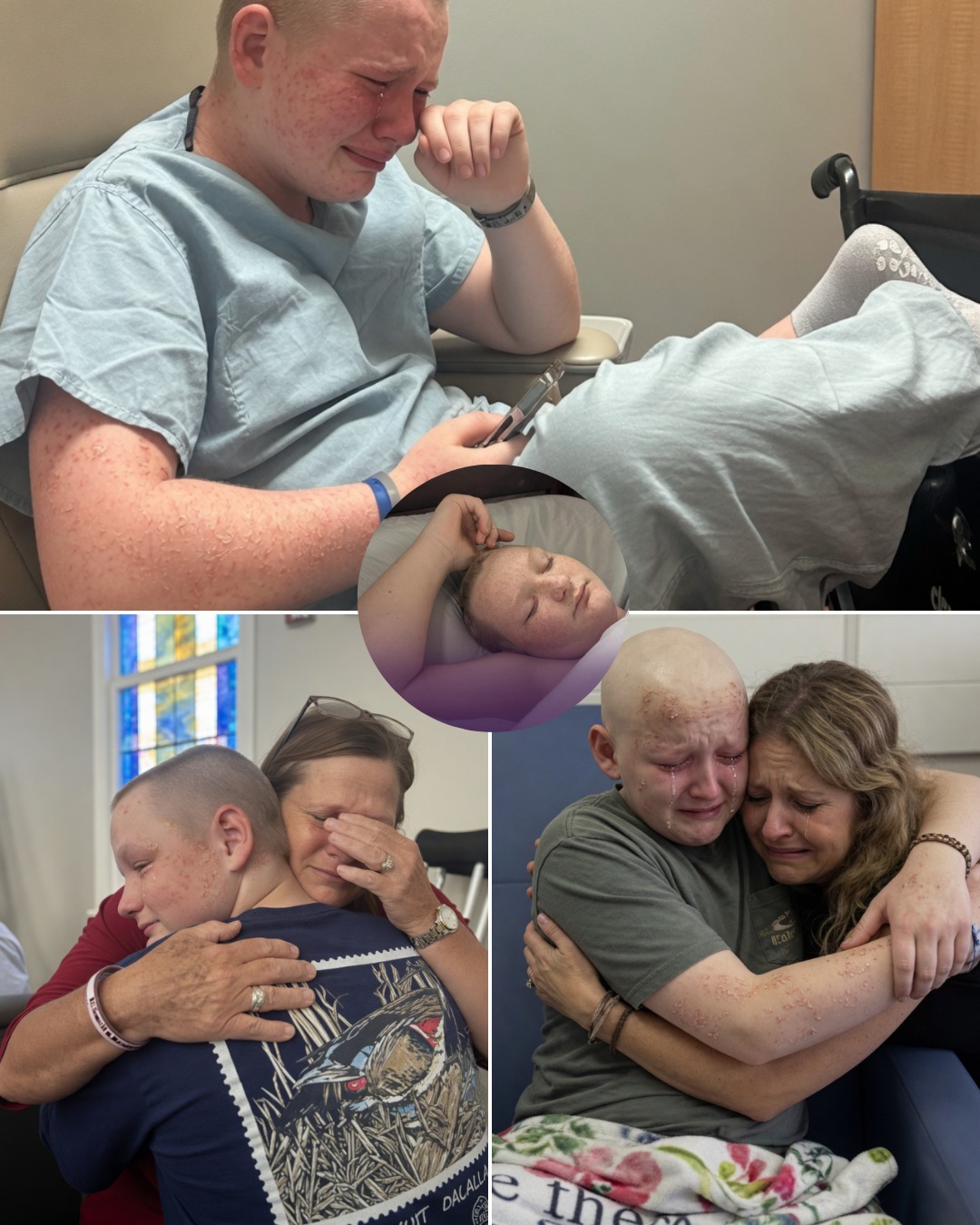
When Hope Falls Apart: Inside Will Roberts’ Latest Scan Results and the Moment Family Confronts the Truth
The room didn’t erupt in tears. Nor did it descend into chaos. Instead, it fell silent.
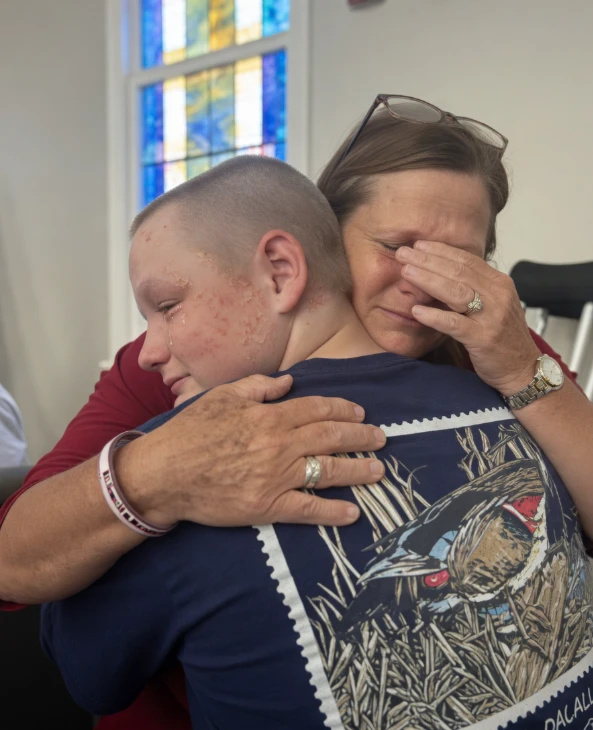
That silence—heavy, stagnant, almost unnatural—is what Will Roberts’ family remembers most from the moment the doctors explained their son’s latest scan results. After months of treatment, countless hospital visits, and a shared belief that the worst might finally be over, the information they received was not what anyone had hoped for.
The treatment hadn’t worked as expected.
The disease hadn’t slowed down.
And new questions had replaced the fragile certainty they were clinging to.
For families facing childhood cancer, scan results are more than just medical images. These are emotional milestones—moments that can redraw the future in an instant. This time, the images reveal more worrisome areas. The points previously identified remain unclear. The language the doctors use is cautious, measured, and painfully familiar to anyone who has experienced this reality: the disease seems to be progressing.
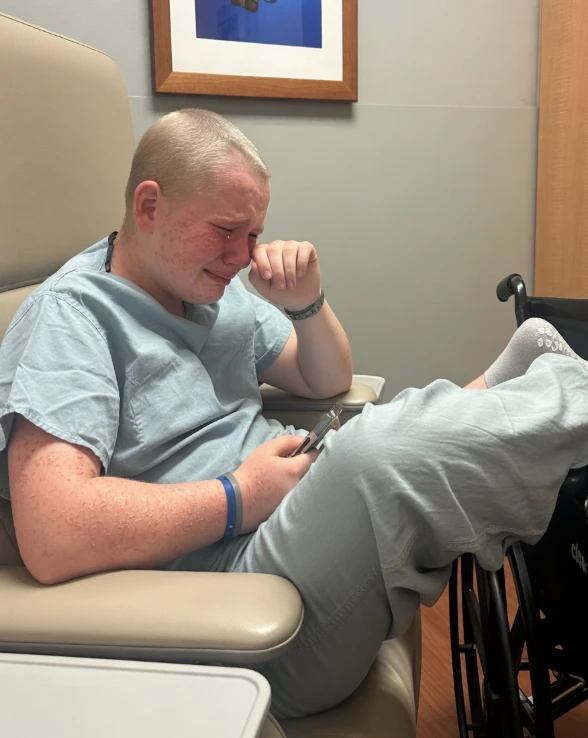
There are no shocking announcements. Not a single word shakes the room. Only a gradual understanding emerges as details are spoken.
And then comes the decision no parent wants to make.
Choosing truth over comfort.
Will’s mother made a choice driven more by belief than fear. She chose to tell her son the truth—full, clear, and without any softening. From the beginning of Will’s journey, the family had been committed to transparency. They believed their son deserved honest treatment, even if the truth was difficult to accept. So she sat down beside her son. She explained what the doctors had seen. She answered his questions. She didn’t hide behind vague reassurances or false optimism.
For many parents, instinct is to protect—to shield their children from pain for as long as possible. But in that moment, Will’s mother believed that protection meant respect. It meant treating her son not just as a patient, but as someone capable of understanding his own battle.
What happened next is something the family says they will never forget.
A reaction that silenced the entire room.
Will listened. He didn’t interrupt. He didn’t turn away.
According to those present, his reaction was unlike anything anyone would have expected—especially for a child facing such devastating news. There was no outburst, no panic. Instead, the boy reacted with such calmness and composure that the adults in the room struggled to contain their emotions.
The doctors and nurses, trained to maintain professional distance, were visibly affected. This wasn’t rehearsed bravery or a forced smile. It was something far more genuine: a child processing reality in real time, with a clarity far beyond his age.
The family chose not to share every detail of that moment publicly—at least not yet. A specific part of Will’s reaction was deliberately kept private, not for drama, but to protect something incredibly personal. They said that detail was crucial. And when shared, it would reshape the entire narrative.
Living Between Appointments
Currently, the Roberts family is in a period between answers—waiting for the next steps, consultations, and decisions of immense importance. This state of limbo is one of the hardest parts of terminal illness: the phase where nothing really happens, yet everything feels urgent.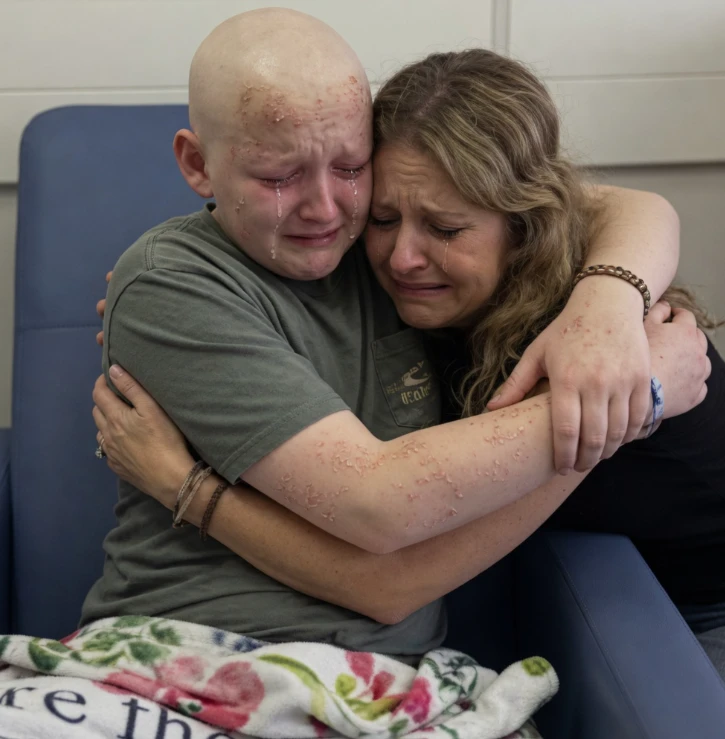
Days pass with routines—taking medication, appointments, meals that may or may not be eaten—but emotionally, things remain constantly fluctuating. Hope doesn’t disappear in moments like these. It just changes shape. It becomes quieter. More cautious. Less concerned with outcomes and more concerned with presence.
Will is still Will. He laughs his usual jokes. He asks his usual questions. He reminds everyone around him that life, even now, goes on.
The community watched and waited.
As news of the event spread, messages began pouring in from those following Will’s journey—strangers who felt like family, families who saw their own stories reflected in him, and parents who understood this fear better than anyone.
The family asked for patience. They are