The Invisible Crisis of Abandonment: Why the Streets Are Full of Forgotten Souls
The Invisible Crisis of Abandonment: Why the Streets Are Full of Forgotten Souls
The relationship between humans and dogs is often described as one of the most sacred bonds in the natural world. For many, a dog is a member of the family, a source of unconditional love, and a loyal companion through life’s inevitable storms. However, a darker reality persists beneath the surface of our society. While some raise dogs with deep affection, others view them as temporary accessories or symbols of social status. When the novelty wears off or life becomes difficult, these animals are frequently discarded like yesterday’s fashion, contributing to a crisis of abandonment that leaves our streets filled with forgotten souls.
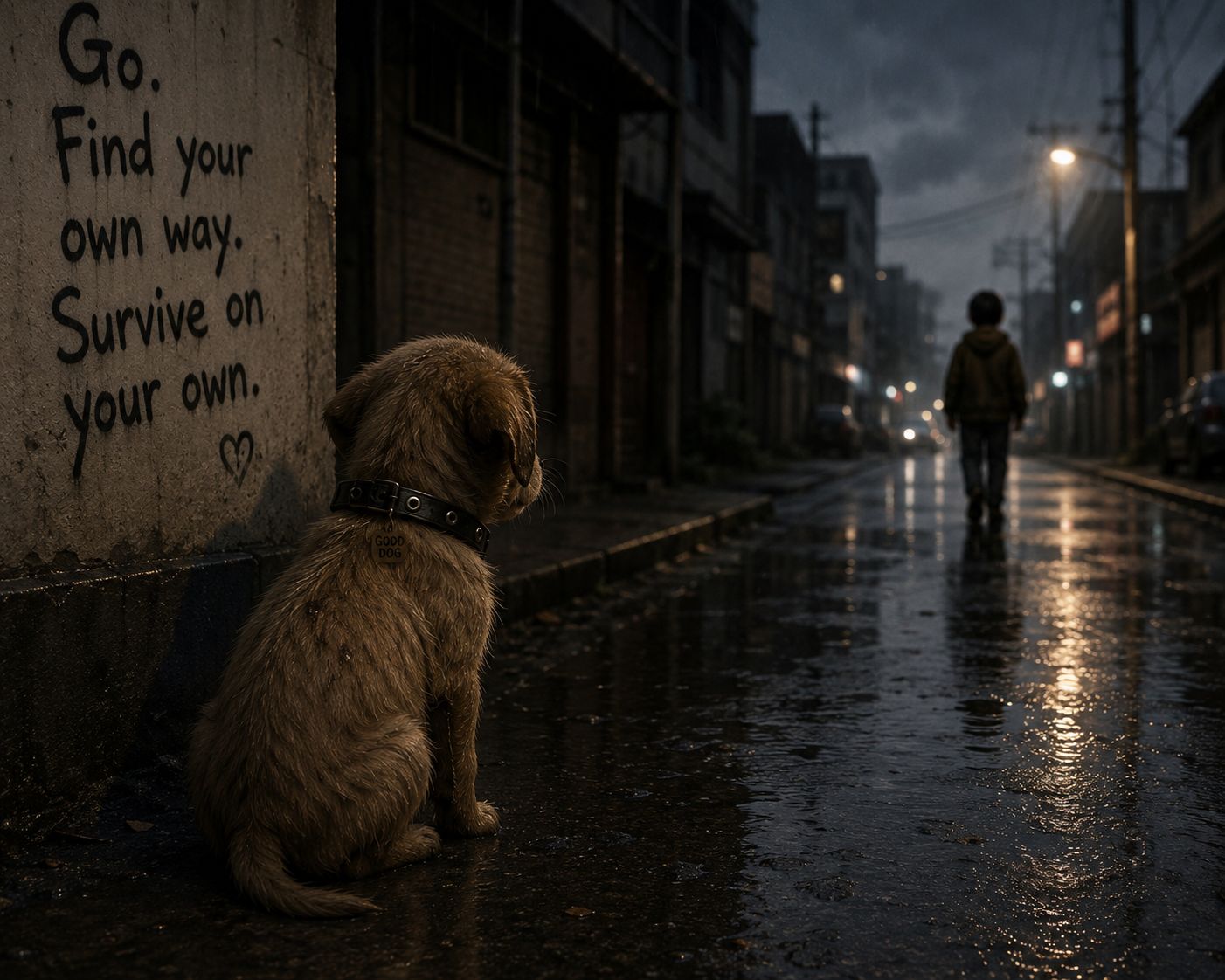
The influx of stray animals is rarely a result of natural overpopulation alone; it is a direct consequence of human convenience. We see it in the aftermath of holidays or moving seasons—dogs left tied to fences, abandoned in empty apartments, or driven to remote roads and left to fend for themselves. For a creature that knows only loyalty, this betrayal is a psychological and physical death sentence. A dog that once slept on a rug suddenly finds itself navigating traffic, hunger, and the cruelty of the elements. They become the “invisible” inhabitants of our neighborhoods, searching for a familiar face among strangers who often turn away in indifference.
Status-driven ownership is particularly damaging. When a specific breed becomes a trend, people rush to buy them without researching the commitment required. Once the puppy grows, develops behavioral issues, or requires expensive medical care, the “status symbol” becomes a burden. This cycle of vanity and neglect is what keeps shelters overflowing and rescue volunteers working until they reach a point of exhaustion.
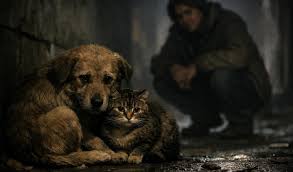
Being a voice for the voiceless means more than just providing a meal; it is about restoring the dignity of these broken spirits. Every stray dog was once someone’s hope, someone’s gift, or someone’s friend. The streets keep filling because society often lacks the accountability to see a commitment through to the end. To change this, we must shift our perspective from seeing dogs as property to seeing them as lives worthy of lifelong protection. Until ownership is defined by responsibility rather than convenience, the forgotten souls of our streets will continue to wait for a love that never comes back.