Silent Ocean Crisis: South Africa’s Whales Face Rising Threat from Rerouted Shipping
Silent Ocean Crisis: South Africa’s Whales Face Rising Threat from Rerouted Shipping
While the world’s attention is fixed on conflicts thousands of miles away, a silent disaster is unfolding off South Africa’s southwest coast. The majestic whales that call these waters home are now swimming into an unprecedented danger—a danger not caused by nature, but by global commerce.
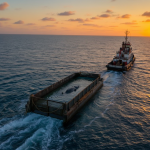
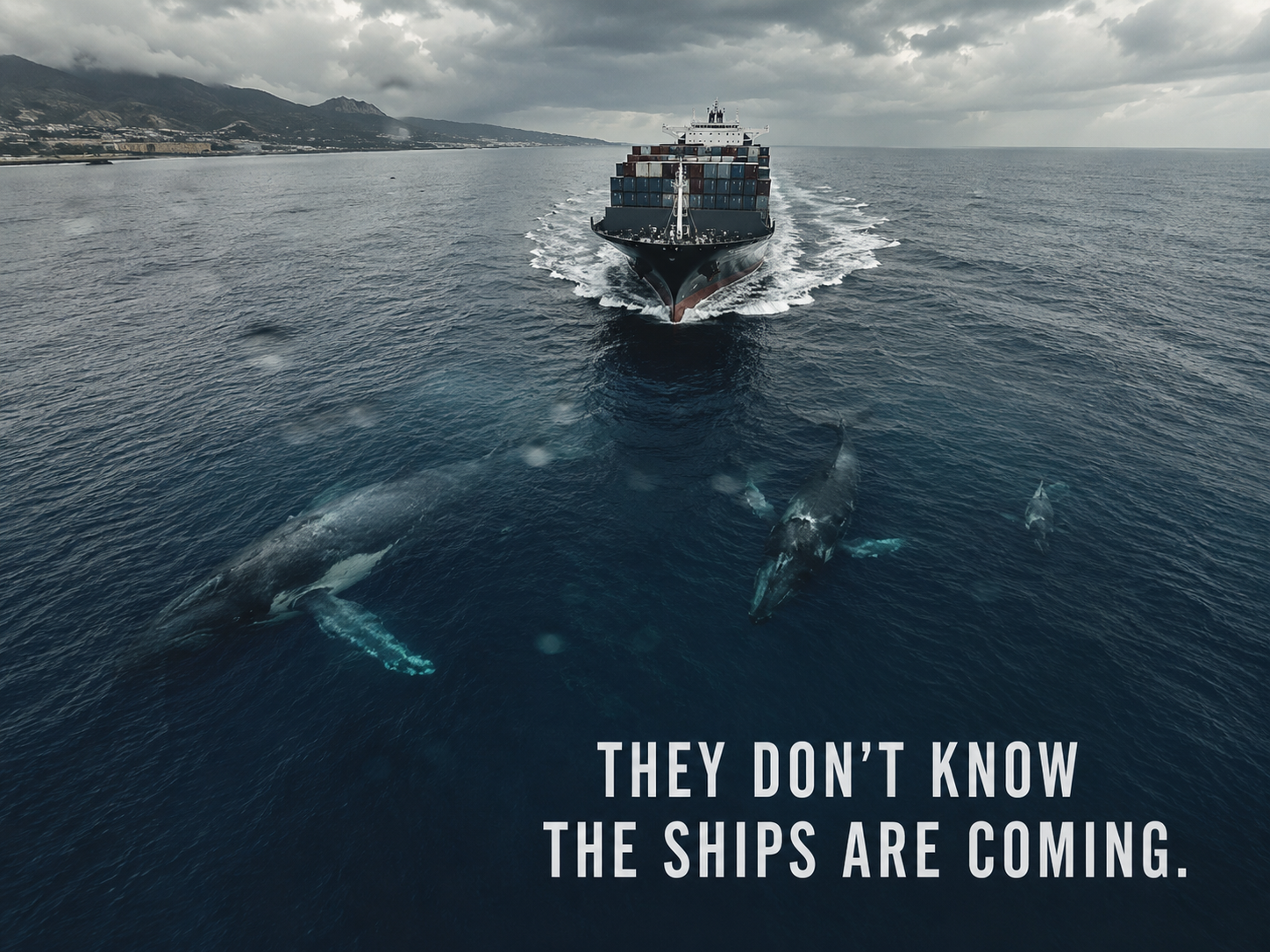
A conflict in the Middle East has forced shipping companies to reroute massive cargo vessels along longer paths, pushing them into previously quiet, whale-rich waters off South Africa.
A New Maritime Highway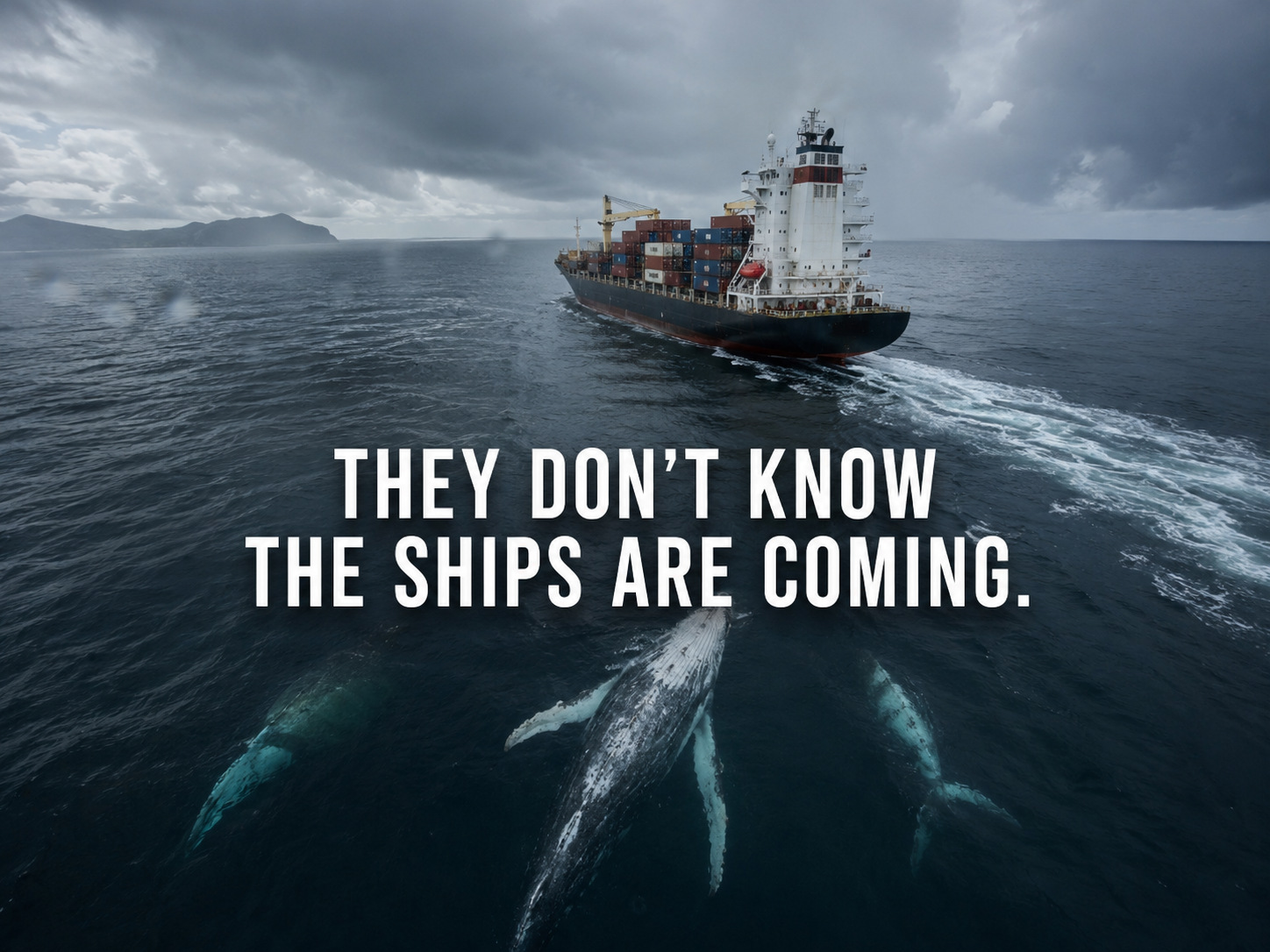
For centuries, the waters around South Africa’s Cape region have served as a sanctuary for whales during their annual migrations. Humpback whales, southern right whales, and the rare blue whale rely on these waters for feeding, mating, and raising their young. However, satellite data shows that shipping traffic in the area has surged dramatically over the past six months, creating what scientists describe as a “marine superhighway.”
Dr. Helena van der Merwe, a marine biologist with the South African Whale Research Institute, warns:
“Whales have no way of knowing that steel giants are now slicing through their habitat. Even a single collision can be fatal—not just to the animal, but to the entire ecosystem.”
The Growing Risk of Ship Strikes
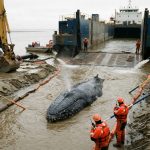
Ship strikes are already one of the leading human-caused threats to large whales worldwide. With vessels moving at higher speeds through southwest South African waters, the risk has multiplied. Unlike fishing nets or pollution, collisions are immediate and often deadly.
“A fully loaded container ship traveling at 20 knots carries the force of a small car crashing into a wall—except the wall is a living creature weighing tens of tons,” explains Dr. van der Merwe.
Recent data from the International Whaling Commission suggests that even a few incidents each year could push certain whale populations toward critical endangerment. For migratory species, the loss of a single individual can ripple across generations.
Local Communities Sound the Alarm
Fishermen and coastal communities have already noticed troubling changes. Whale sightings have dropped in areas that were once teeming with life.
“We have been fishing here for decades, and we know the migration patterns,” says Pieter Botha, a local fisherman from Hermanus. “This year, the whales are avoiding areas near the shipping lanes—or worse, we see signs of collisions.”
Solutions Are Available, but Time Is Running Out
Conservationists are urging international shipping companies to implement urgent measures:
- Slow zones in high-density whale areas
- Real-time monitoring of whale migrations to adjust shipping routes
- Mandatory reporting of near-misses and collisions
Some shipping lines have begun experimenting with technology that alerts captains to the presence of whales, but adoption remains slow and inconsistent.
Dr. van der Merwe emphasizes:
“We have the science, the technology, and the awareness. What is missing is urgency.”
A Call for Global Attention
As the world debates geopolitical crises, South Africa’s whales face a silent but deadly challenge. The oceans are not isolated from human activity, and the consequences of global decisions often travel farther than we realize.
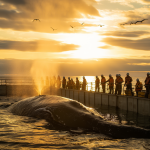
Without immediate action, scientists warn, these waters—once a sanctuary for the largest creatures on Earth—could become a graveyard for whales.
Key Facts:
- Shipping traffic along South Africa’s southwest coast has increased by over 40% in the past six months
- Major whale species affected: Southern right whale, Humpback whale, Blue whale
- Ship strikes are the second-leading human-caused cause of whale deaths globally
- Protective measures exist but require global cooperation