Hawaii Monk Seal Case Now Under Federal Criminal Review Following Viral Incident
Hawaii Monk Seal Case Now Under Federal Criminal Review Following Viral Incident
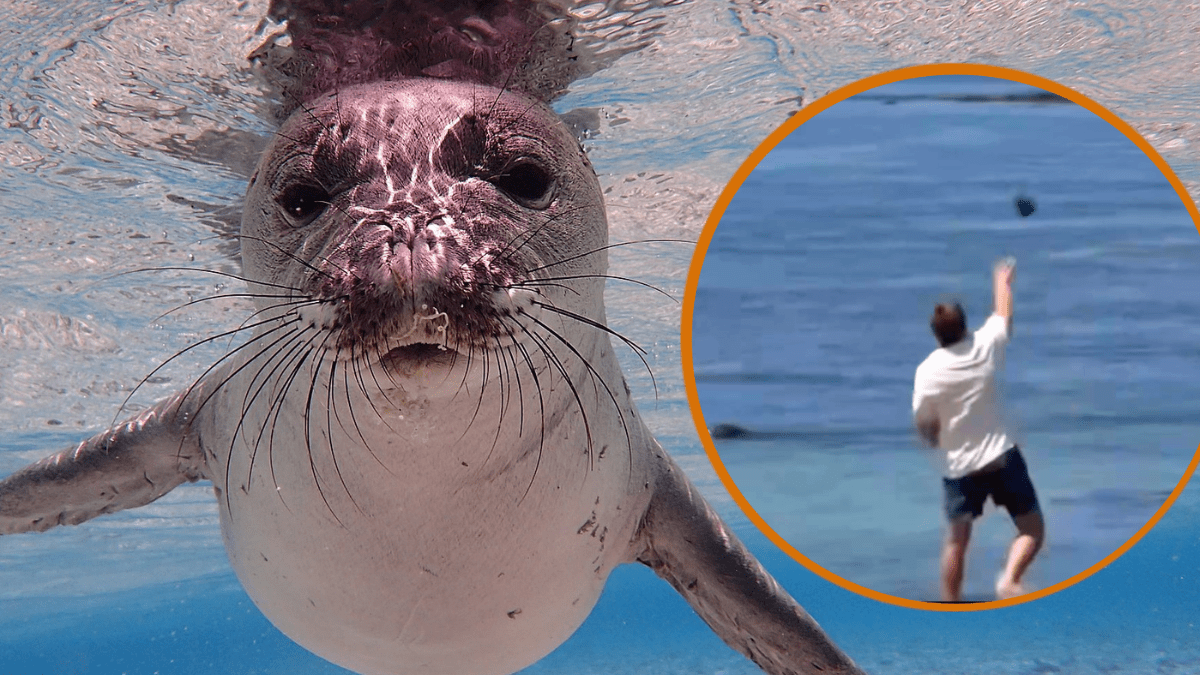
The case involving an endangered Hawaiian monk seal, known as “Lani,” has escalated to a federal criminal investigation. The National Oceanic and Atmospheric Administration (NOAA) has confirmed that federal wildlife investigators are now reviewing the incident, which began after a man was allegedly caught on video throwing a rock at the protected animal on a Maui beach.
Federal Review Underway
Officials have indicated that possible violations of federal wildlife protection laws are being carefully examined. Hawaiian monk seals are critically endangered, with fewer than 1,500 individuals remaining in the wild. Any deliberate act of harm toward them is taken very seriously under U.S. law.
Investigators are conducting a detailed analysis of viral video footage, while also collecting witness statements and other evidence to determine the scope of the offense and whether criminal charges are warranted.
Public Outrage and Calls for Stronger Protection
The incident has sparked widespread public outrage across social media and news platforms in the United States. Conservationists and members of the public alike are calling for stricter enforcement of laws protecting endangered wildlife and for stronger penalties for those found harming these animals.
The monk seal involved in the incident has reportedly been sighted again, and wildlife officials continue to monitor its wellbeing. Advocates stress the importance of maintaining a safe distance from these animals to prevent stress, injury, or further human-related incidents.
Broader Implications
What began as a viral video has now become one of the most closely watched wildlife protection cases in America. Experts highlight that cases like this underscore the ongoing challenges of protecting endangered species from human interference, even in areas with established conservation regulations.
Conservation organizations emphasize the importance of public education, stronger legal safeguards, and swift enforcement measures to ensure that incidents like the one involving Lani do not recur. The case serves as a reminder of the delicate balance between human recreation and wildlife protection in sensitive ecosystems such as Hawaii.
The outcome of the investigation will likely influence future policies and enforcement practices aimed at safeguarding endangered marine mammals and other protected species.