The Unlikely Savior: How a Father and His Son Redefined the Meaning of Recovery
The Unlikely Savior: How a Father and His Son Redefined the Meaning of Recovery
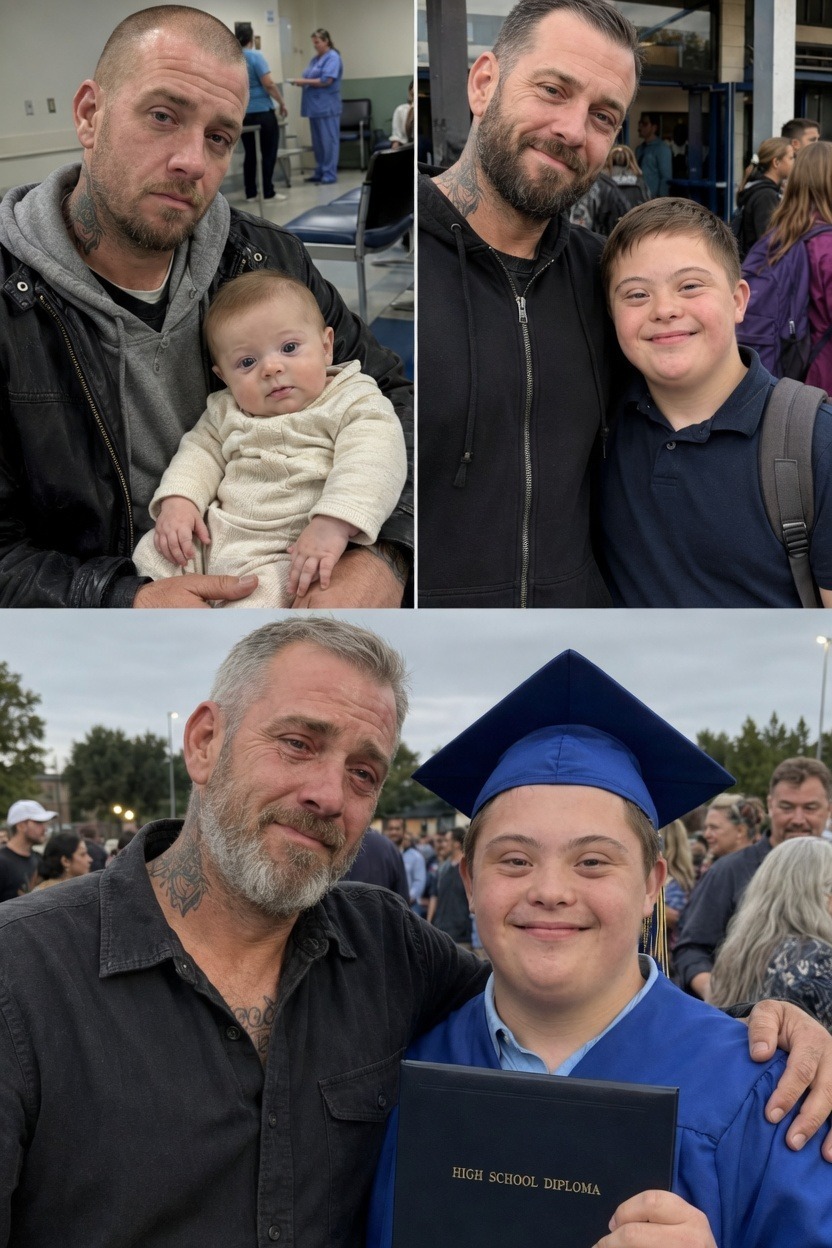
At thirty-two years old, Ryan was a man who had been hollowed out by the relentless tide of opioid addiction. He lived in the cramped, quiet confines of a sober living house, a place designed for fragile new beginnings where the air was thick with the exhaustion of people trying to outrun their pasts. Having nearly lost his life to the needle and the pill, Ryan was a shadow of his former self, struggling with the basic mechanics of a sober existence. Most observers, seeing his tired eyes and the tremors in his hands, viewed him as a statistic waiting to happen—a man whose clock was ticking toward an inevitable relapse.
Then, the world shifted in a way he never anticipated. Ryan became a father, and he became one alone. The weight of that responsibility was staggering for a man who could barely navigate his own survival, but the true test arrived when the doctors entered the hospital room. With hushed tones and clinical precision, they explained that his newborn son had been born with Down syndrome. In that moment, the room felt devoid of oxygen. Fear, sharp and cold, filled the space where joy was supposed to reside. Ryan looked at the tiny, fragile life in the bassinet and realized that the universe had handed the hardest of battles to a man who felt he had no weapons left.
However, what the world saw as a burden, Ryan began to see as a mirror. As he navigated the complexities of specialized medical appointments, developmental hurdles, and the isolation of single parenthood, something miraculous occurred. The addiction that had once whispered to him in every moment of stress suddenly lost its voice. His son did not see a former addict; he saw a father. The unconditional love of a child who required his absolute presence forced Ryan to stay grounded in the now. The boy’s needs became the very scaffolding that supported Ryan’s sobriety, turning a potential tragedy into a profound, life-saving purpose.
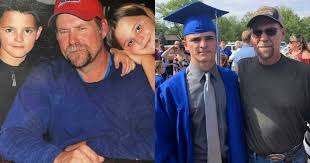
Today, Ryan is no longer the man the world gave up on. He is a testament to the idea that sometimes, the very thing we fear will break us is actually the thing that puts us back together. He didn’t just save his son from the challenges of the world; his son saved him from the darkness of his own history. Their bond is a powerful reminder that recovery isn’t just about stopping a habit—it is about finding a reason to live that is greater than the pain of the past. In the quiet moments of their home, the fear that once filled that hospital room has been replaced by a resilient, enduring hope.