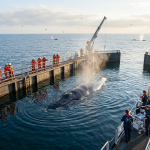
TIMMY THE WHALE STAYS IN THE NORTH SEA — AND THE SEA REFUSES TO GIVE ANSWERS
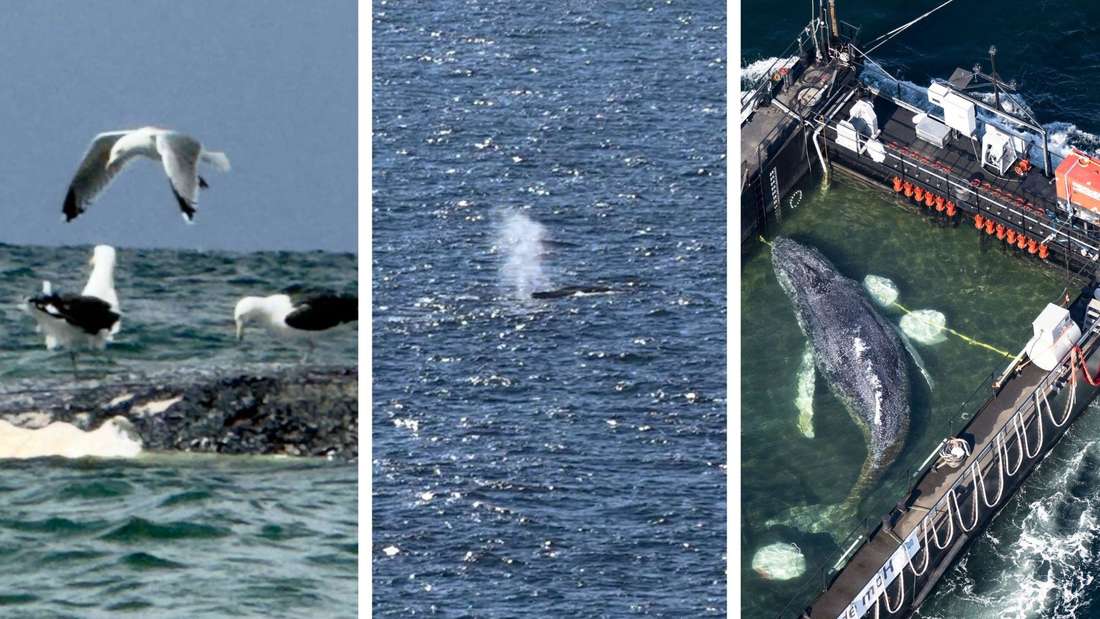
TIMMY THE WHALE STAYS IN THE NORTH SEA — AND THE SEA REFUSES TO GIVE ANSWERS
The Danish Environment Agency has made a quiet yet controversial decision: Timmy will not be recovered for now. No museum display. No intervention. Only the ocean remains, continuing its slow, natural process.
But what makes this case capture global attention isn’t just the decision itself — it’s what lies beneath the surface of the story.
A final examination revealed a surprising detail: Timmy was likely female. This single revelation has sparked waves of questions worldwide:
Was the response too slow?
Could earlier action have saved her?
Or was this fate already sealed the moment she was discovered?
Hidden Dangers Beneath the Waves
Scientists emphasize that whale strandings are rarely random events. Many involve invisible human-made threats:
- Ghost nets, abandoned in the ocean, drift silently, trapping whales and other marine life.
- Ship strikes, often fatal, occur faster than any rescue can intervene.
- Human-induced noise and pollution, which disrupt whales’ communication, navigation, and feeding.
Each strandings story is a silent warning: our oceans are fragile ecosystems, and the consequences of neglect are real.
Beyond One Whale
Timmy’s story has grown into a global debate about responsibility and awareness:
How quickly should we respond to marine emergencies?
How much responsibility do humans bear for what happens beneath the waves?
And how often do we ignore the hidden threats that silently shape the ocean’s fate?
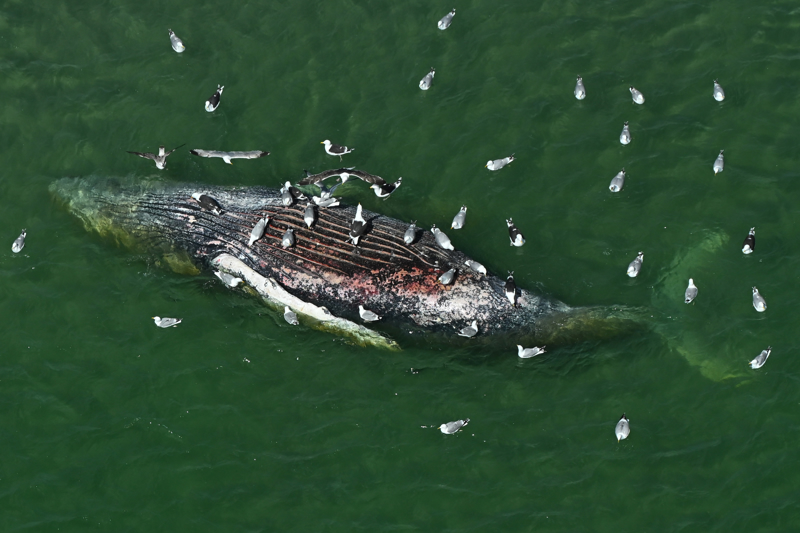
While Timmy remains in the North Sea, becoming a natural source of food for marine life, the whale’s story serves as a living lesson: protection and prevention are as vital as rescue efforts.
What Can Be Done
Experts suggest steps to reduce whale strandings and fatalities:
- Enhanced monitoring using drones, satellite tracking, and AI-powered alerts.
- Rapid-response rescue teams, trained and equipped to act immediately.
- Public education on ghost nets, ocean pollution, and responsible marine interaction.
Because in the ocean…
what we don’t see is often what changes everything.
Timmy’s story is more than a single whale tragedy. It’s a stark reminder that our oceans are precious, and our actions — or inactions — ripple through every wave and every life beneath the surface.