THIS WHALE CASE IS DIVIDING THE INTERNET — AND NO ONE AGREES ON WHAT’S RIGHT
THIS WHALE CASE IS DIVIDING THE INTERNET — AND NO ONE AGREES ON WHAT’S RIGHT
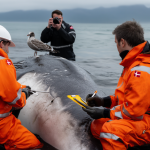
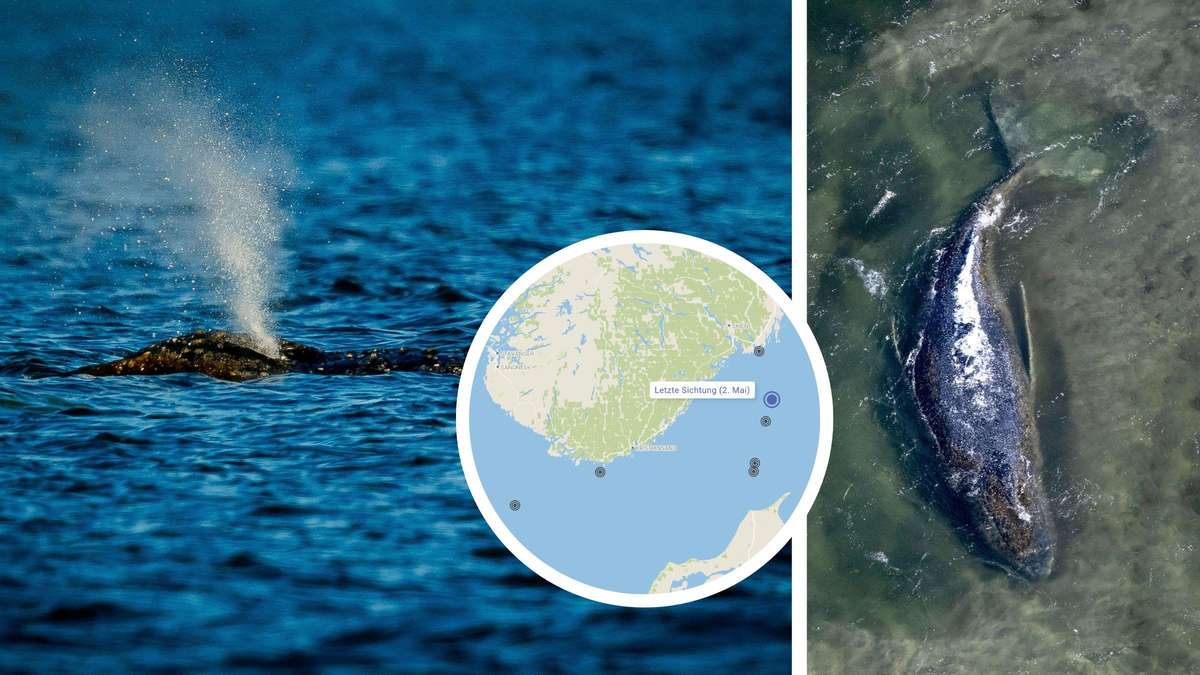
A stranded humpback whale in the North Sea will not be recovered, as authorities allow nature to take over and slowly break down the body in the ocean.
What seemed like a straightforward rescue case has quickly turned into a global debate — triggered by one critical detail: Timmy was likely female.
Two Sides, One Whale
CRITICS SAY:
“Intervention came too late. Opportunities to save a life were missed. This was mismanaged.”
SUPPORTERS SAY:
“This is how nature works. Recovery would have interfered with the natural cycle.”
The debate has split public opinion sharply:
ACT FASTER TO SAVE LIVES
vs
DO NOT INTERFERE WITH NATURE
And the hardest question remains:
When does “letting nature take its course” become letting it go too soon?
The Science Behind Strandings
Experts warn that whale strandings are rarely random. Many involve hidden human-made threats:
- Ghost nets drifting silently in the sea, entangling whales and other marine animals.
- Ship strikes on busy shipping routes, often fatal before any rescue can arrive.
- Noise pollution and chemicals, which disrupt whales’ navigation, communication, and feeding.
Even natural deaths are often linked to human impact — reminding us that the oceans are delicate systems under constant pressure.
Nature vs Human Intervention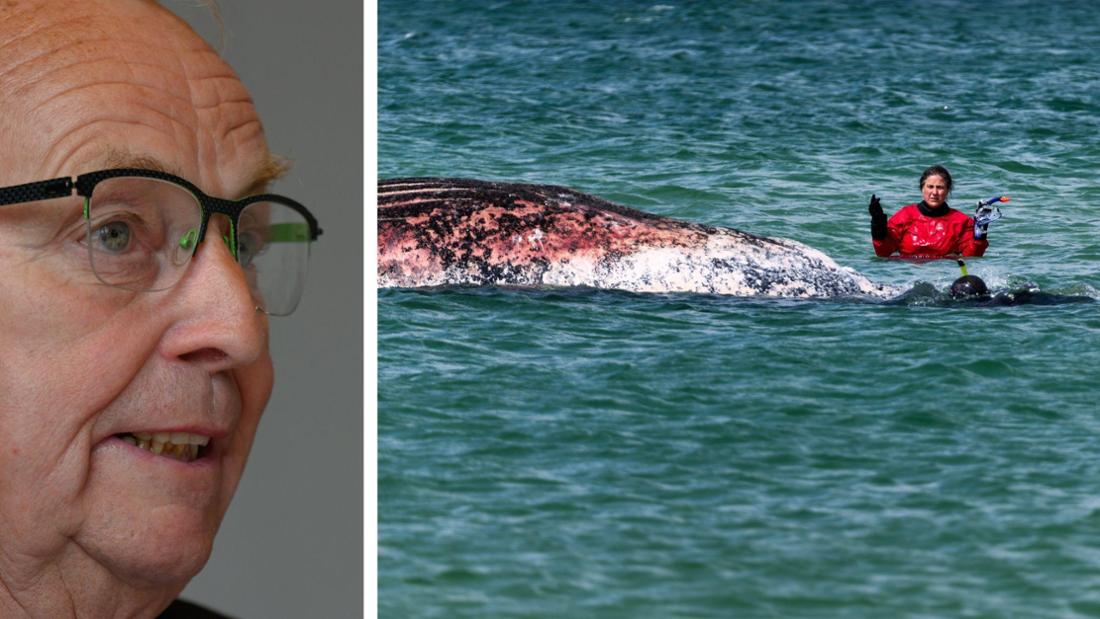
Some argue that leaving Timmy in the ocean is the most ecological choice. The whale will provide nutrients for marine life, supporting the natural ecosystem.
Others see a tragedy that could have been prevented with faster response, better coordination, or more preparedness.
This isn’t just about one whale — it’s a broader reflection on how humans interact with nature and how we define responsible intervention.
Questions for the World
Timmy’s case raises larger questions:
- How fast should humans respond to marine emergencies?
- What responsibilities do we have toward wildlife affected by human activity?
- How often do invisible dangers like ghost nets or ocean pollution determine life or death beneath the waves?
Timmy’s Legacy
Even in death, Timmy contributes to life. Her body will feed fish, crabs, and other creatures, sustaining the ocean’s natural cycle.
But her story is also a mirror for humanity — reflecting our potential to protect, but also our tendency to miss warning signs until it’s too late.