TIMMY’S FINAL JOURNEY — WHY THE DEAD WHALE SHOULD HAVE RETURNED TO THE OPEN SEA
TIMMY’S FINAL JOURNEY — WHY THE DEAD WHALE SHOULD HAVE RETURNED TO THE OPEN SEA
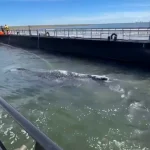
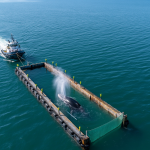
The world followed every moment of Timmy, the young humpback whale, during the dramatic rescue operation in the shallow waters of the Baltic Sea. Millions cheered as experts guided him onto a specially designed barge, hoping that the endangered whale would survive.
Tragically, Timmy did not make it. But the story does not end there. Danish authorities recently confirmed that the dead whale found near Anholt Island was indeed Timmy, verified by his tracking device. This has sparked a fresh debate about how we treat wildlife after death, and what role human intervention should play.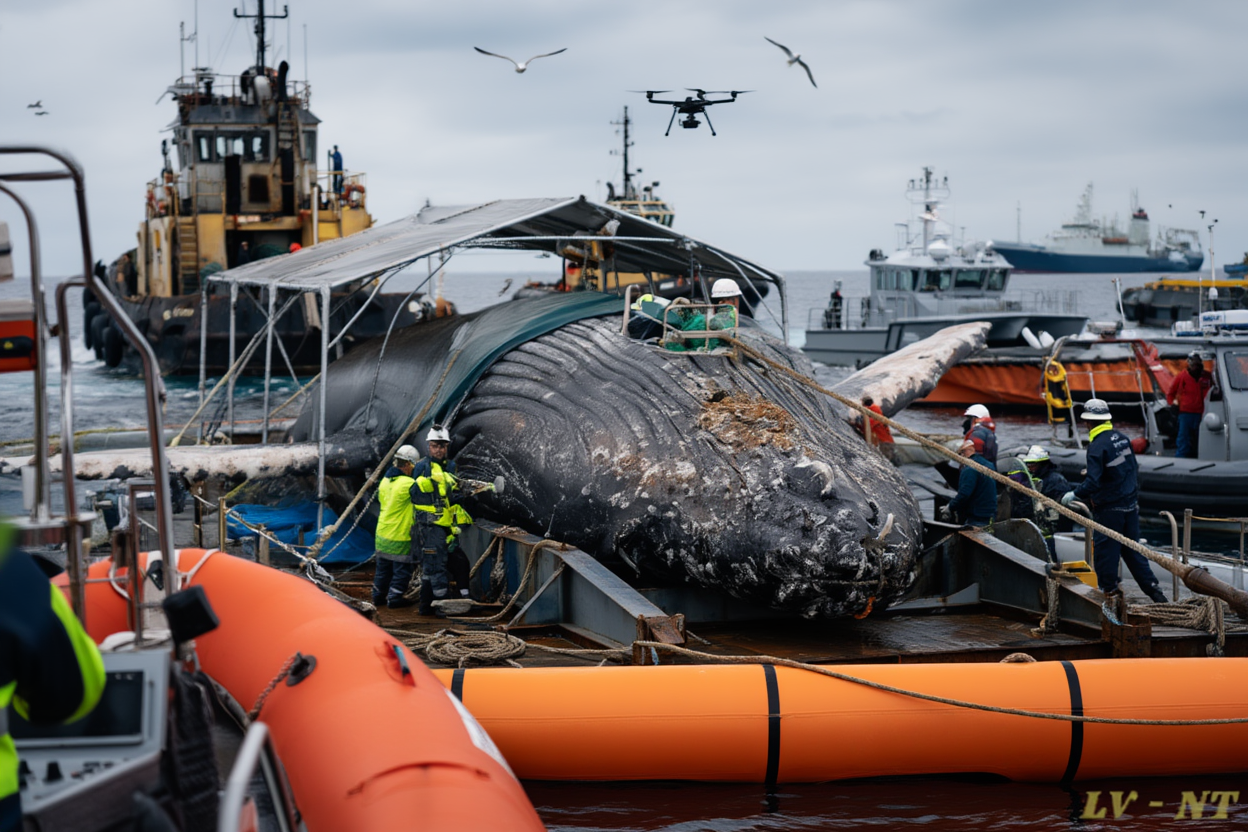
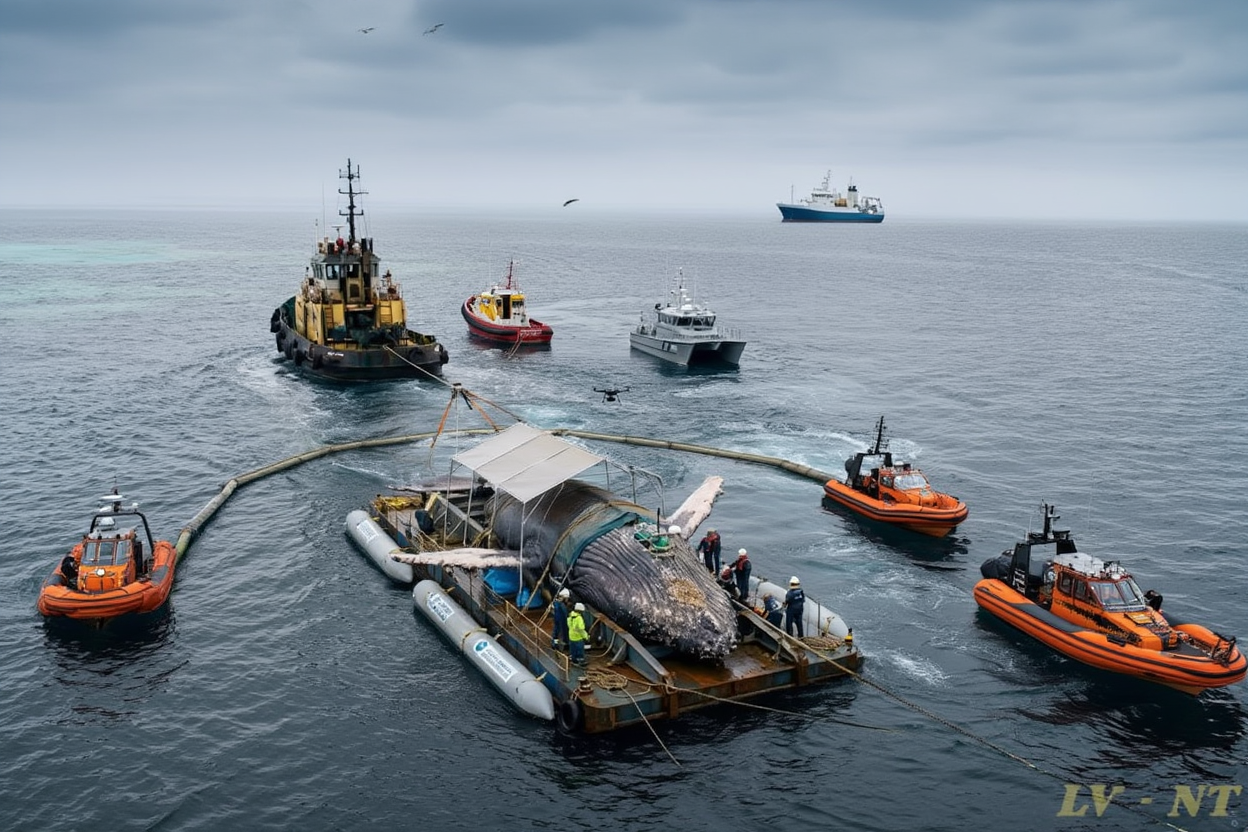
The Danish government had approved a plan to tow Timmy back into the open sea — a move supporters argue would have allowed the whale to rejoin the natural marine cycle. Even in death, whales provide vital nutrients to deep-sea ecosystems, supporting scavengers and enriching the ocean’s biodiversity. By leaving Timmy onshore, critics say the ecological benefits were lost.
There were also safety and ethical concerns. Spectators had flocked to the site, and some were reported engaging in risky and disrespectful behavior around Timmy’s carcass, in attempts to capture content for social media. Conservationists argue that returning Timmy to the open ocean would have prevented this, ensuring the whale’s final moments were treated with dignity.
Experts now hope that Timmy’s story will serve as a powerful lesson about humanity’s responsibility to the oceans. It is a stark reminder that whales — and all marine life — deserve respect, not only while alive but also in death. By considering the broader ecological and ethical implications of such events, society can learn to coexist more responsibly with the incredible creatures that share our planet. 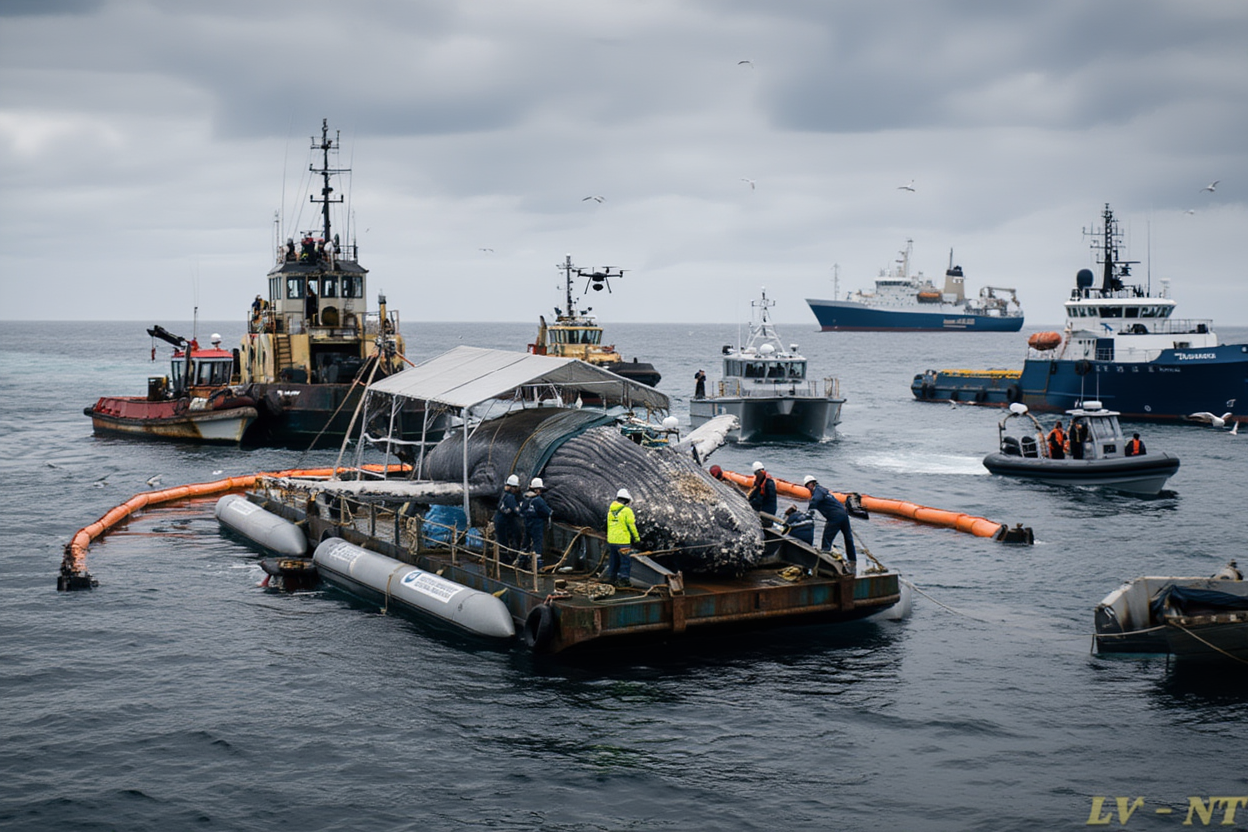
For marine biologists, Timmy’s case also provides invaluable insights. Observations from his rescue attempt, the stress indicators recorded, and his movements tracked across the Baltic and North Sea will help improve future whale rescue operations worldwide. Researchers hope that these lessons will increase survival rates for stranded whales and enhance public understanding of marine conservation.
While the ending is heartbreaking, Timmy’s legacy continues. He has reminded millions of the fragile beauty of ocean life and the responsibility humans hold in protecting it — not just for today, but for generations of whales yet to come.