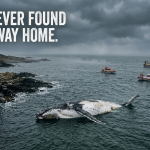
TIMMY’S STORY DOESN’T END WITH LOSS — IT ENDS WITH QUESTIONS
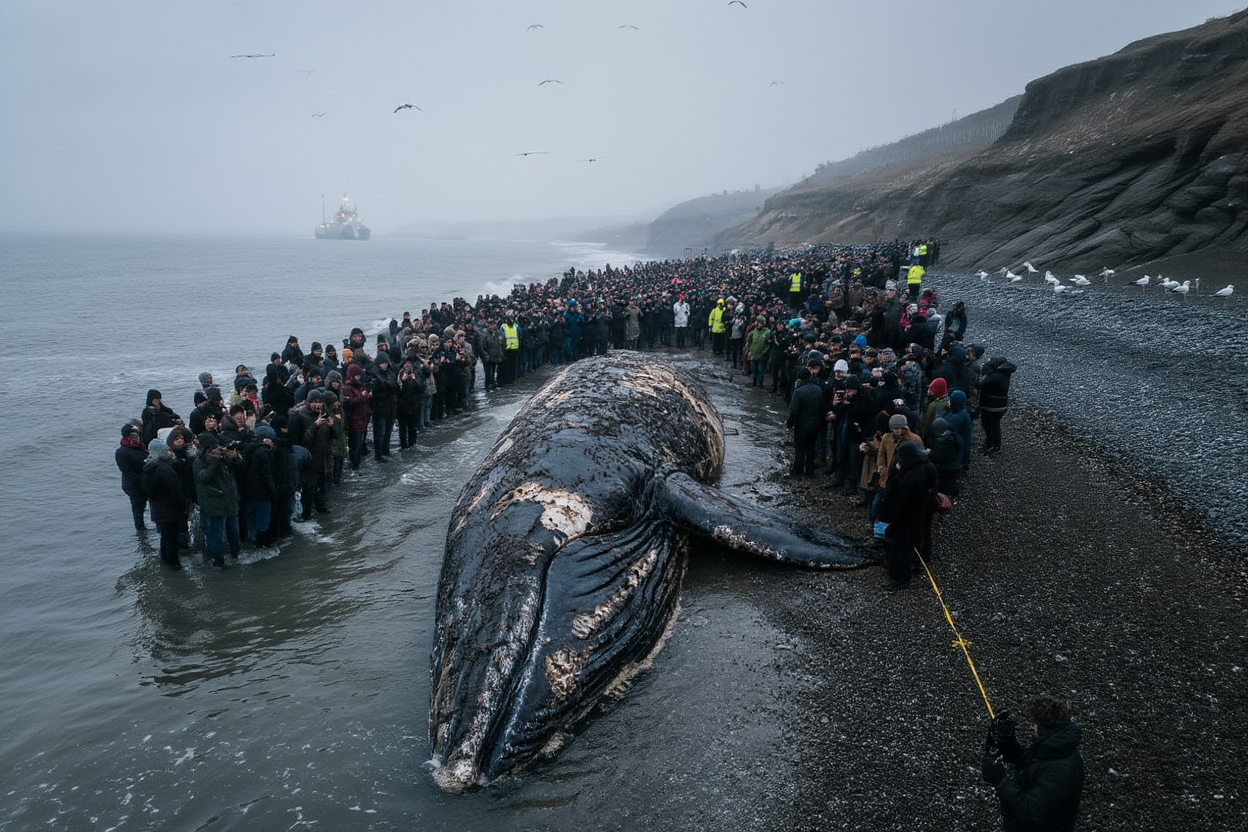
TIMMY’S STORY DOESN’T END WITH LOSS — IT ENDS WITH QUESTIONS
The confirmation has come: the whale found near Anholt Island was Timmy, the humpback whale who captured the attention of millions around the globe. The world mourns his final journey, far from his home in the open sea.
But amid the grief, experts and conservationists are looking beyond sadness — toward understanding, learning, and preventing future tragedies.
From Heartbreak to Insight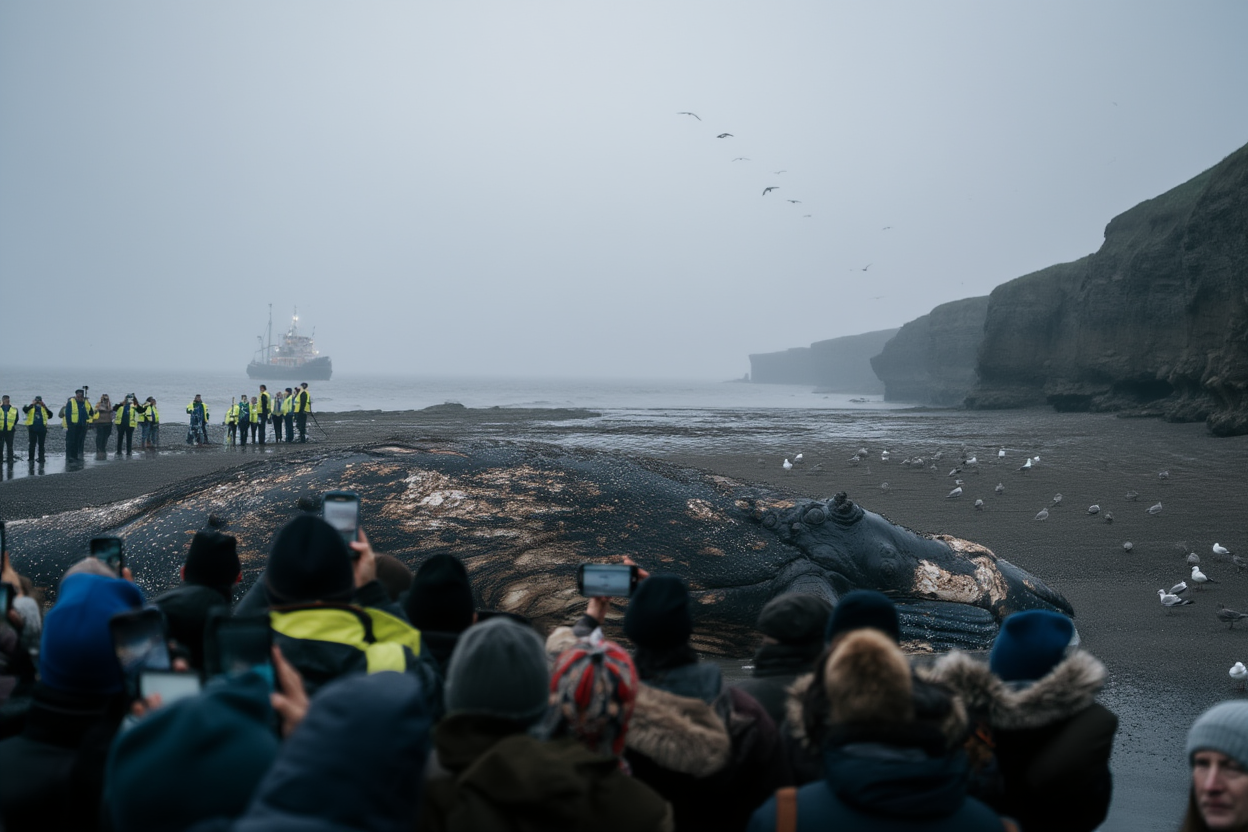
Timmy’s struggle was both heartbreaking and eye-opening. Marine scientists are now discussing investigations to uncover what went wrong: Was it illness? Exhaustion? Or hidden threats lurking in the oceans — ghost nets, plastic pollution, or ship strikes?
While we may never know the full story, the significance of Timmy’s journey is clear. He has become more than a whale in distress — he is a symbol of the fragile balance between human activity and marine life.
A Call for Action
Conservation voices are unanimous: Timmy’s story must not fade into silence. It should be a wake-up call for governments, marine authorities, and communities to improve response systems, strengthen protection measures, and invest in monitoring our oceans.
Timmy reminds us that these tragedies are preventable. His journey is proof that one whale’s struggle can mobilize millions of people to care — and that care should translate into action.
The Questions That Remain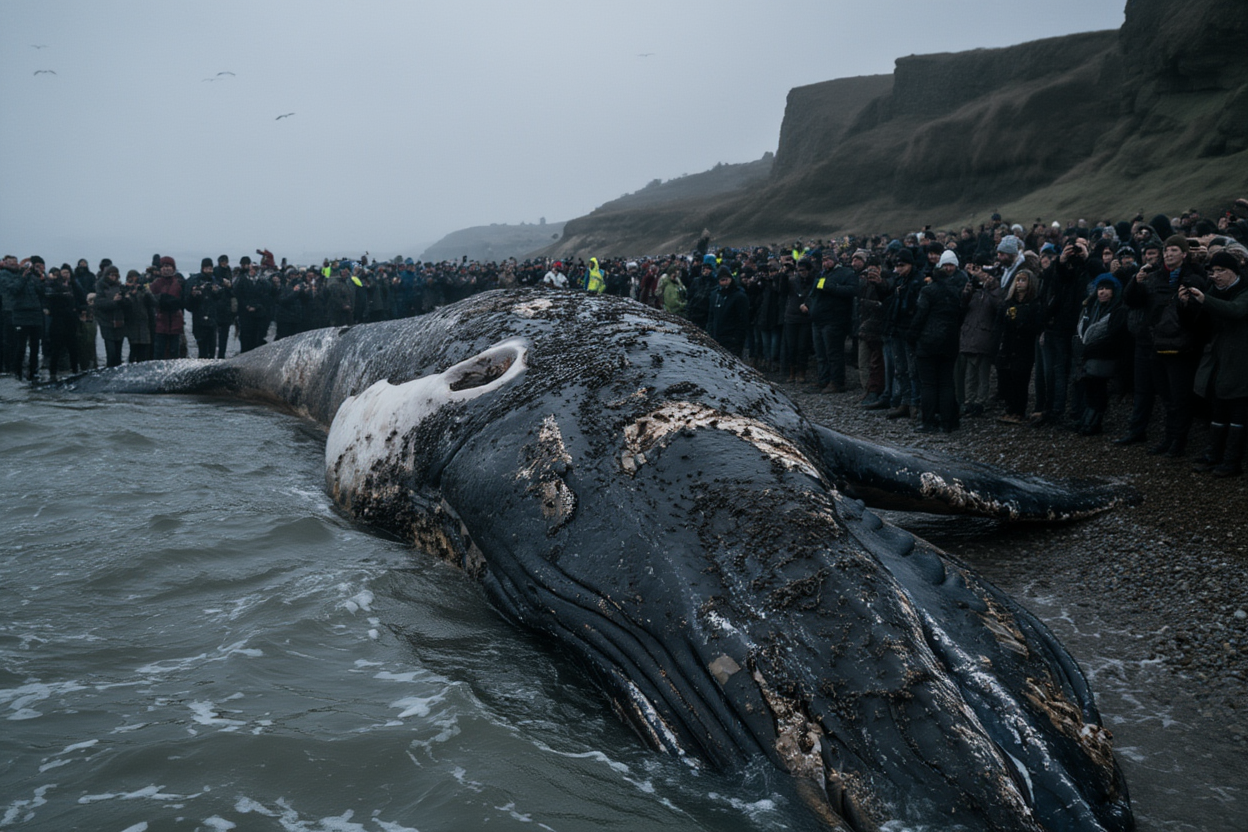
Behind the heartbreak remains one urgent truth:
If this can happen to Timmy… it can happen again.
How many whales are silently struggling in the world’s oceans right now? What measures can we take to ensure the next Timmy survives? And what role will humans play in protecting marine life before it’s too late?
Timmy’s story leaves us with grief, yes, but also with a challenge: to transform concern into protection, awareness into action, and empathy into change.