BREAKING: Chilling Developments in the Kayla Huff Investigation
BREAKING: Chilling Developments in the Kayla Huff Investigation
The criminal investigation into the tragic death of 16-year-old Kayla Huff has reached a critical and chilling turning point, shedding light on a disturbing and highly calculated plot that goes far beyond what was initially understood.
What began as a standard missing teen alert in Moberly, Missouri, has, through meticulous forensic work, revealed a harrowing pattern of abduction, physical assault, and murder. Shockingly, investigators say the alleged perpetrators were not strangers at all—they were individuals within Kayla’s own social circle. This betrayal of trust turned familiarity into a deadly instrument, showing a shocking level of premeditation and cold-blooded calculation.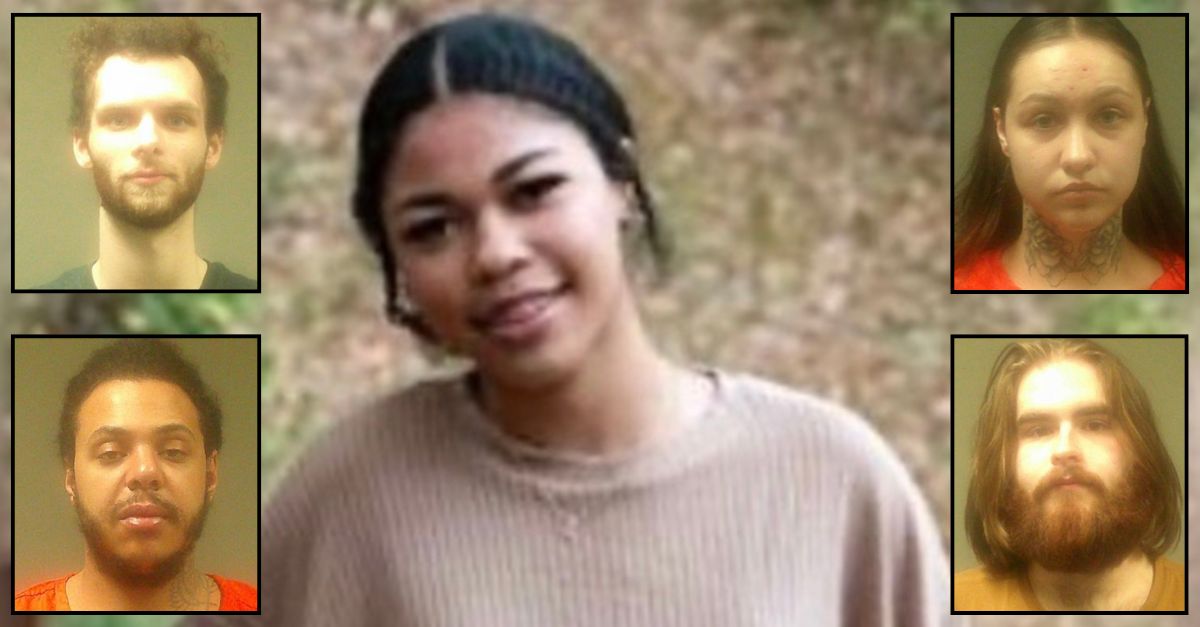
Authorities describe the case as a highly organized attack, in which those responsible exploited personal relationships to bypass the safeguards that might have otherwise protected Kayla. The meticulous planning suggests a chilling awareness of the teen’s routines, habits, and vulnerabilities, transforming what should have been safe environments—homes, schools, and local hangouts—into lethal traps.
As prosecutors prepare to file serious charges, the public is confronting the horrifying reality of a crime orchestrated from within the victim’s community. Every piece of evidence, from digital footprints to forensic material, reveals a carefully sequenced plan that exposes failures in vigilance and accountability, and underscores the vulnerability of young people even among familiar faces.
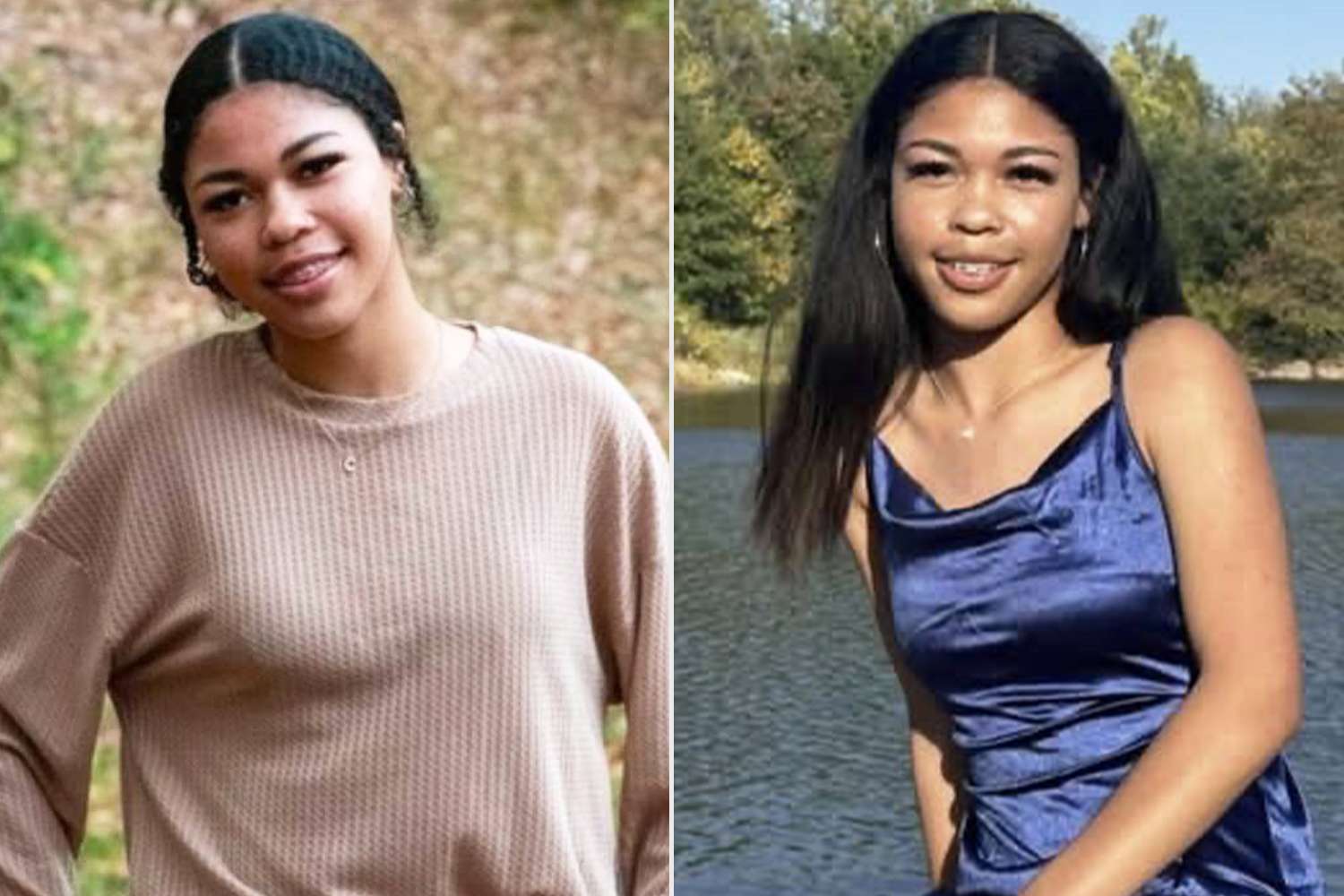
Forensic teams are meticulously validating visual and physical records that capture the stark, undeniable truth of what happened. These records document both the perpetrators’ actions and the haunting vitality of Kayla’s life cut tragically short. Experts say these findings are essential not only to the legal process but also to ensuring that the gravity of the crime is fully recognized by the public.
Kayla Huff’s family remembers her as a bright, compassionate, and vibrant young girl, whose life was full of promise. Their recollections provide a poignant counterpoint to the clinical and often disturbing details emerging from the investigation, highlighting the human cost behind each piece of evidence. Community members have rallied for transparency and thorough procedural rigor, demanding that authorities leave no stone unturned as they seek justice.
The shift from a search operation to a formal criminal prosecution marks the transition to a more detailed and exhaustive examination of the events, ensuring that the orchestration of this heinous act is met with a proportionate judicial response. Every suspect is being scrutinized carefully, every timeline reconstructed, and every trace of evidence cross-verified to ensure that justice can be achieved.
The implications of the case go beyond legal accountability. Kayla’s story is a grim reminder of how betrayal can exist within the closest circles. It forces society to confront the terrifying reality that danger can come not only from the outside world but also from those we trust most. Her legacy now fuels a broader conversation about community vigilance, social responsibility, and the urgent need for protective measures for vulnerable youth.
Ultimately, resolving this case is not just about delivering legal justice—it is about acknowledging a human tragedy, understanding the sequence of choices and circumstances that led to it, and preventing similar horrors in the future. The echoes of Kayla Huff’s life and untimely death serve as a stark reminder: behind every investigation file lies a real human life, every piece of evidence tells a story, and every tragedy demands that society pays attention and learns.
Her story is haunting, painful, and, above all, a call to action—a testament to the devastating impact of betrayal, the necessity of accountability, and the enduring human need to protect one another, even in the most ordinary and familiar settings.