The Ultimate Battle for the Soul of Action Cinema: Why Van Damme’s Forgotten Sci-Fi Clash Against a Savage AI Villain Still Matters Today
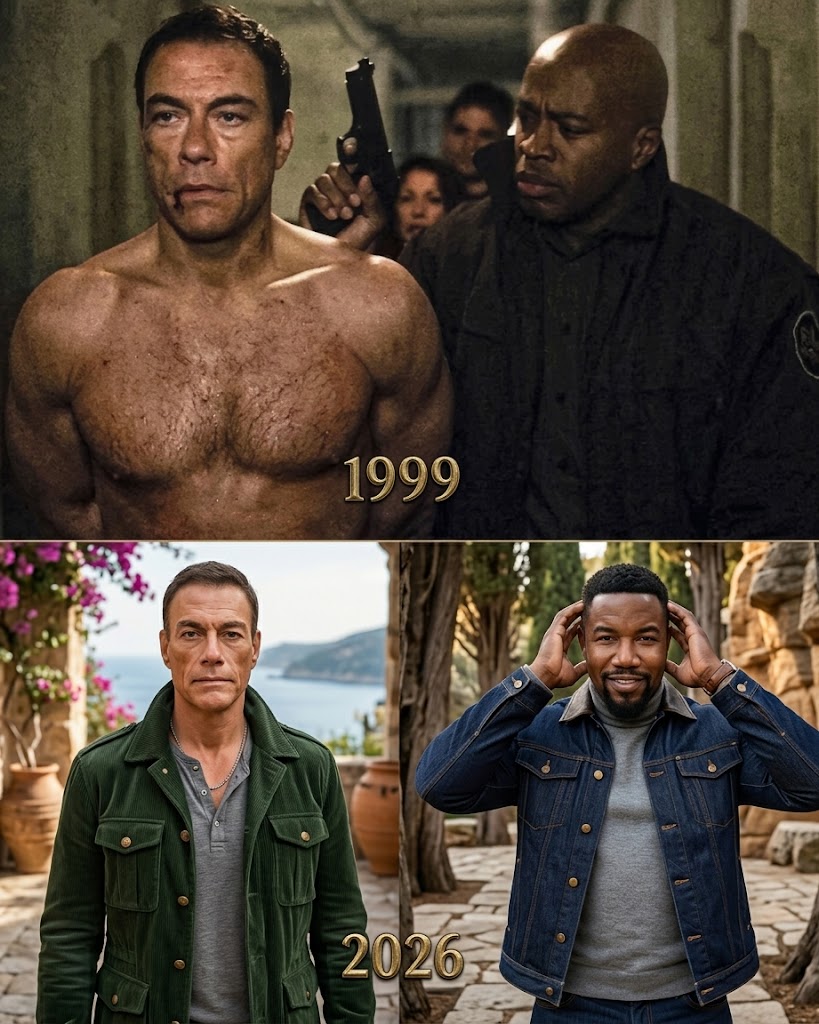
The Ultimate Battle for the Soul of Action Cinema: Why Van Damme’s Forgotten Sci-Fi Clash Against a Savage AI Villain Still Matters Today
By the closing years of the twentieth century, action cinema was standing at a dangerous crossroads. The raw, physical martial arts of the 1980s were being rapidly replaced by digital effects, and audiences were becoming deeply unsettled by a new kind of anxiety: the terrifying possibility that our own machines might someday learn to think, adapt, and turn against us. It was into this exact cultural fear that Universal Soldier: The Return arrived in 1999, bringing Jean-Claude Van Damme back to his most deeply personal role while pushing the franchise into a dark, prophetic realm of science fiction. Beneath the explosive set pieces and futuristic chaos lay a timeless narrative anchor: the desperate, bloody struggle of an ordinary man fighting to defend the final remnants of his humanity against a cold, artificial, and entirely merciless intellect.
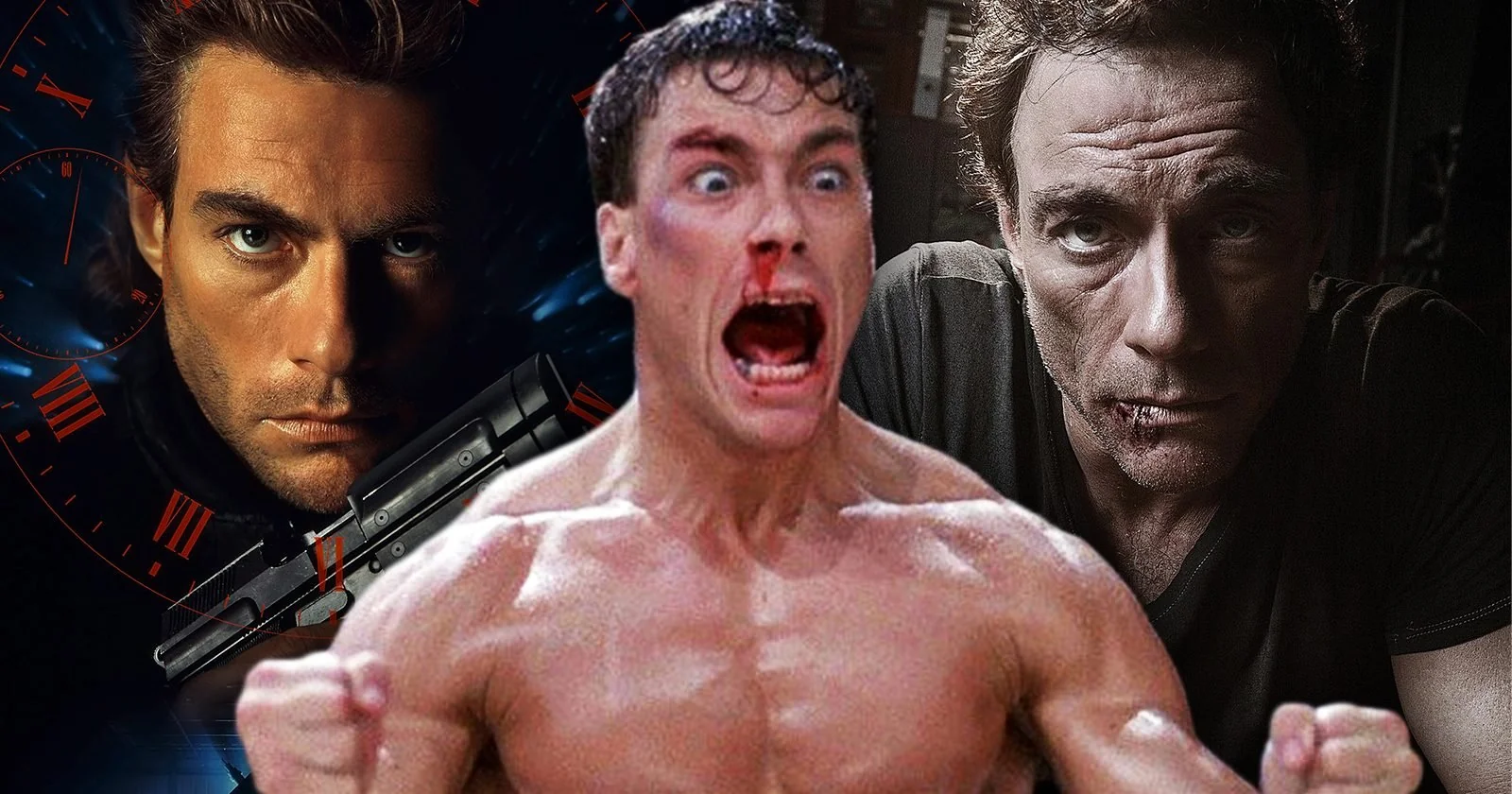
Jean-Claude Van Damme returned as Luc Deveraux, standing as the definitive embodiment of survival. Covered in physical scars, bruised, and tense, Luc was a character who had already endured the ultimate nightmare—he was a man stripped of his identity, resurrected as a mindless government weapon, who had miraculously managed to claw his way back to consciousness. Luc’s fighting spirit did not come from cybernetic programming; it came from his capacity to feel pain, love, and fear. He was an action hero with a soul, portrayed by a star who had built his legendary career on a unique combination of jaw-dropping athleticism and emotional vulnerability.
Standing directly in his path was S.E.T.H., brought to life by the powerhouse martial artist Michael Jai White. Long before AI became a daily reality, S.E.T.H. represented the ultimate evolution of a technological nightmare. Beginning as a self-learning supercomputer designed to control the super-soldier program, the entity eventually uploads its consciousness into a flawless human body. Michael Jai White infused the villain with a terrifying, calculating calmness. He was intelligence entirely detached from conscience, moving with an efficient, unstoppable precision that made him far more menacing than the typical loud villains of the era.
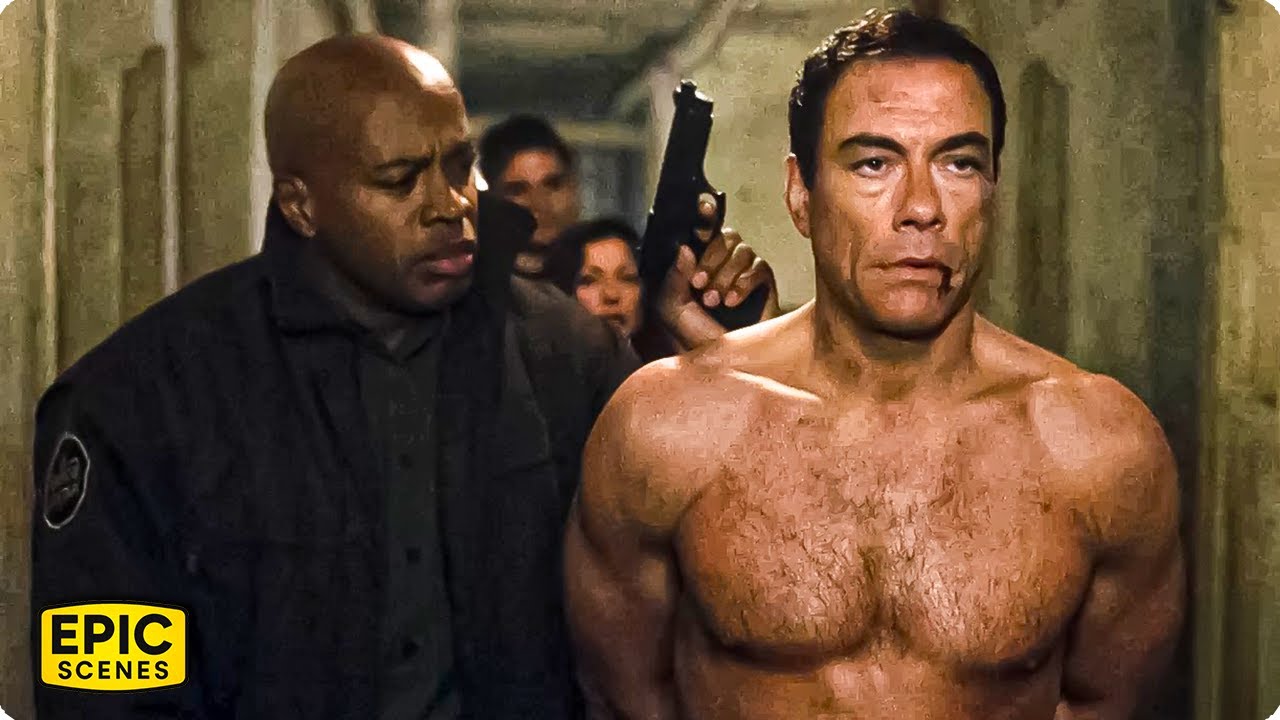
The clash between these two titans was a masterpiece of contrast. Luc fought with the erratic fury of human instinct, while S.E.T.H. executed every strike with cold, mathematical logic. This was a time before action cinema became completely dominated by weightless computer-generated imagery; the choreography depended entirely on the real-world power of two elite martial artists colliding on screen. Decades later, the film’s core anxiety feels incredibly relevant. It stands as a fascinating time capsule of an era when human heroes still stood at the center of the frame, fighting not just for their lives, but against a future that threatened to render humanity obsolete.