Nebraska’s “Devil’s Corkscrews” Were Actually Ancient Beaver Burrows
Nebraska’s “Devil’s Corkscrews” Were Actually Ancient Beaver Burrows
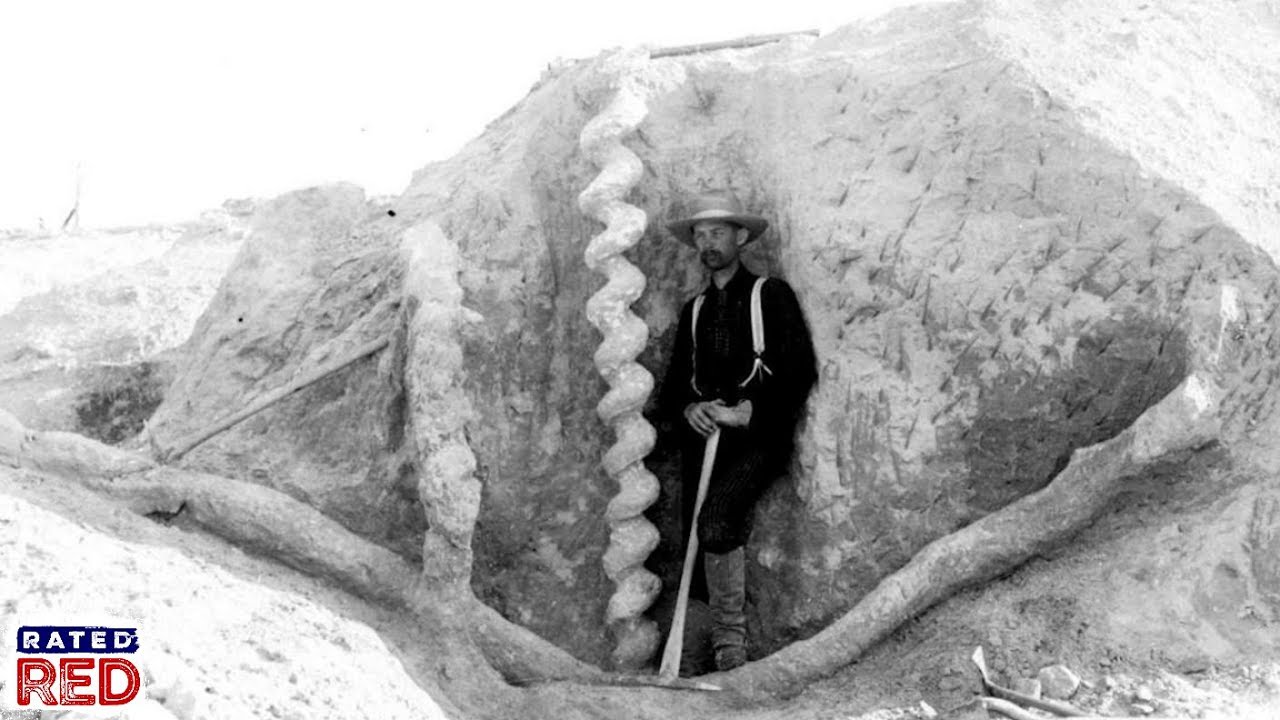
In the plains of Nebraska, unusual spiral-shaped fossil structures once puzzled scientists and became known as “Devil’s Corkscrews.” These strange underground formations, first discovered in the late 19th century, were long considered one of North America’s most mysterious geological curiosities.
The structures consist of large, corkscrew-like tunnels embedded in ancient sedimentary rock. Early researchers were baffled by their shape, depth, and apparent complexity, leading to decades of debate over whether they were caused by geological forces, extinct organisms, or unknown environmental processes.
For many years, some scientists proposed that the formations were fossilized tree roots or the remains of ancient plant activity. Others suggested they might be the burrows of extinct animals that lived millions of years ago during the Miocene epoch.
Modern paleontological research, however, has largely settled on a more grounded explanation: the structures were created by now-extinct giant beavers, likely belonging to a species known as Palaeocastor. These prehistoric rodents are believed to have dug deep, spiraling burrows into soft volcanic ash and sediment.
The corkscrew shape is thought to have served a functional purpose. By digging downward in a spiral pattern, the beavers may have created more stable tunnels that were less likely to collapse and better protected from predators and environmental changes.
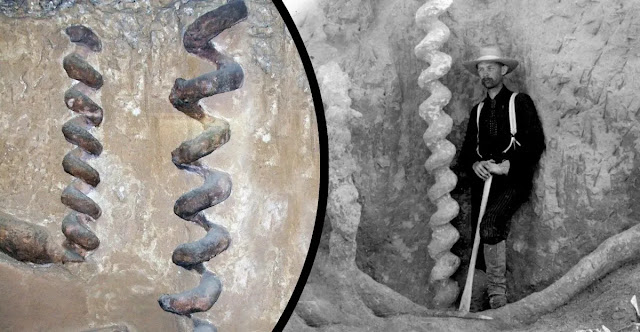
Fossil evidence found in multiple locations across the Great Plains supports this interpretation, showing consistent burrow patterns and occasional skeletal remains associated with these structures.
While the idea of “mystery spirals” once fueled speculation about unknown geological forces or unusual natural phenomena, scientists now view them as a fascinating example of how animal behavior can leave behind large and unexpected fossil records.
The Devil’s Corkscrews remain an important discovery in paleontology because they reveal how even relatively small animals can dramatically shape the ancient landscape over time.
Today, they stand not as evidence of mystery or the unknown, but as a reminder of the surprising complexity of prehistoric life beneath the surface of North America.