The Vasa Warship — Sweden’s Mighty Ship That Sank Minutes Into Its Maiden Voyage
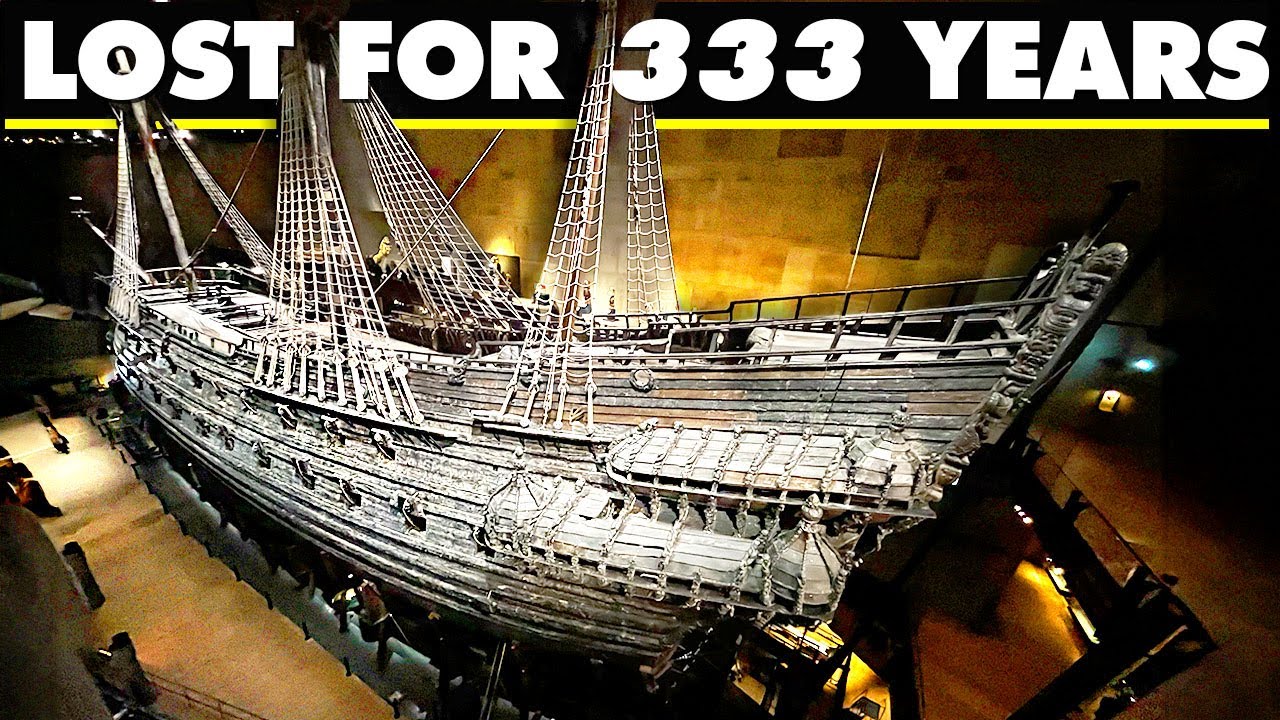
The Vasa Warship — Sweden’s Mighty Ship That Sank Minutes Into Its Maiden Voyage
In the early 17th century, the Kingdom of Sweden set out to build one of the most powerful warships in Europe. The result was the Vasa, a massive and heavily armed vessel designed to project royal power across the Baltic Sea.
Commissioned by King Gustavus Adolphus, the ship was intended to be a symbol of Sweden’s rising naval strength during a period of intense military competition in Northern Europe. When it was completed, the Vasa was one of the most impressive warships of its time, equipped with dozens of bronze cannons and richly decorated with elaborate carvings.
However, what should have been a moment of triumph quickly turned into one of the most famous maritime disasters in history.
A Ship Built for Power — but Not Stability
The Vasa was designed with two gun decks to maximize firepower, but this decision made it top-heavy. Its hull was narrow relative to its height, and its ballast system was insufficient to counterbalance the weight of the cannons and upper structure.
Despite warnings from some builders and engineers, construction continued under pressure from the Swedish crown. The desire for a powerful flagship outweighed concerns about stability.
A Disaster on Its Maiden Voyage
In 1628, the Vasa set sail from Stockholm on its maiden voyage. After traveling only a short distance, a sudden gust of wind struck the ship. It began to list to one side.
Water rushed in through the open gun ports, and within minutes the mighty warship sank beneath the surface of Stockholm harbor.
Rediscovery Beneath the Sea
The wreck of the Vasa remained hidden underwater for over 300 years until it was rediscovered in 1956 and later raised in an extraordinary salvage operation.
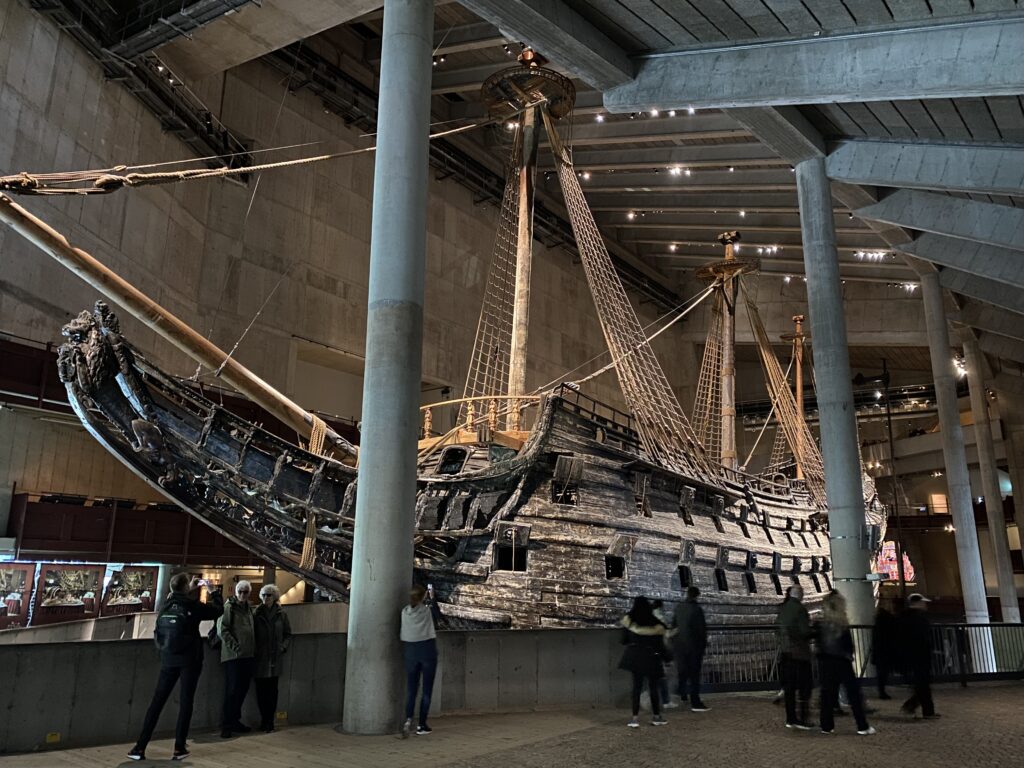
Remarkably, the cold, low-salinity waters of the Baltic Sea preserved much of the ship’s wooden structure, allowing it to be restored and placed on display in Stockholm.
Today, the ship is housed in the Vasa Museum, where it stands as one of the best-preserved 17th-century ships ever recovered.
Lessons from the Vasa
Historians and naval engineers study the Vasa as a powerful lesson in design imbalance, rushed construction, and the consequences of ignoring stability in engineering.
Unlike many maritime legends surrounded by mystery, the sinking of the Vasa is well documented and understood. Its failure was not caused by supernatural forces or unknown phenomena, but by a clear mismatch between ambition and physics.
A Ship That Still Tells a Story
More than 300 years later, the Vasa continues to fascinate visitors and researchers alike. It stands as a preserved moment in history — a reminder that even the most powerful creations can fail when engineering limits are overlooked.