The Modern Future of an Ancient Crown: How Princess Leonor is Preparing to Make Spanish History
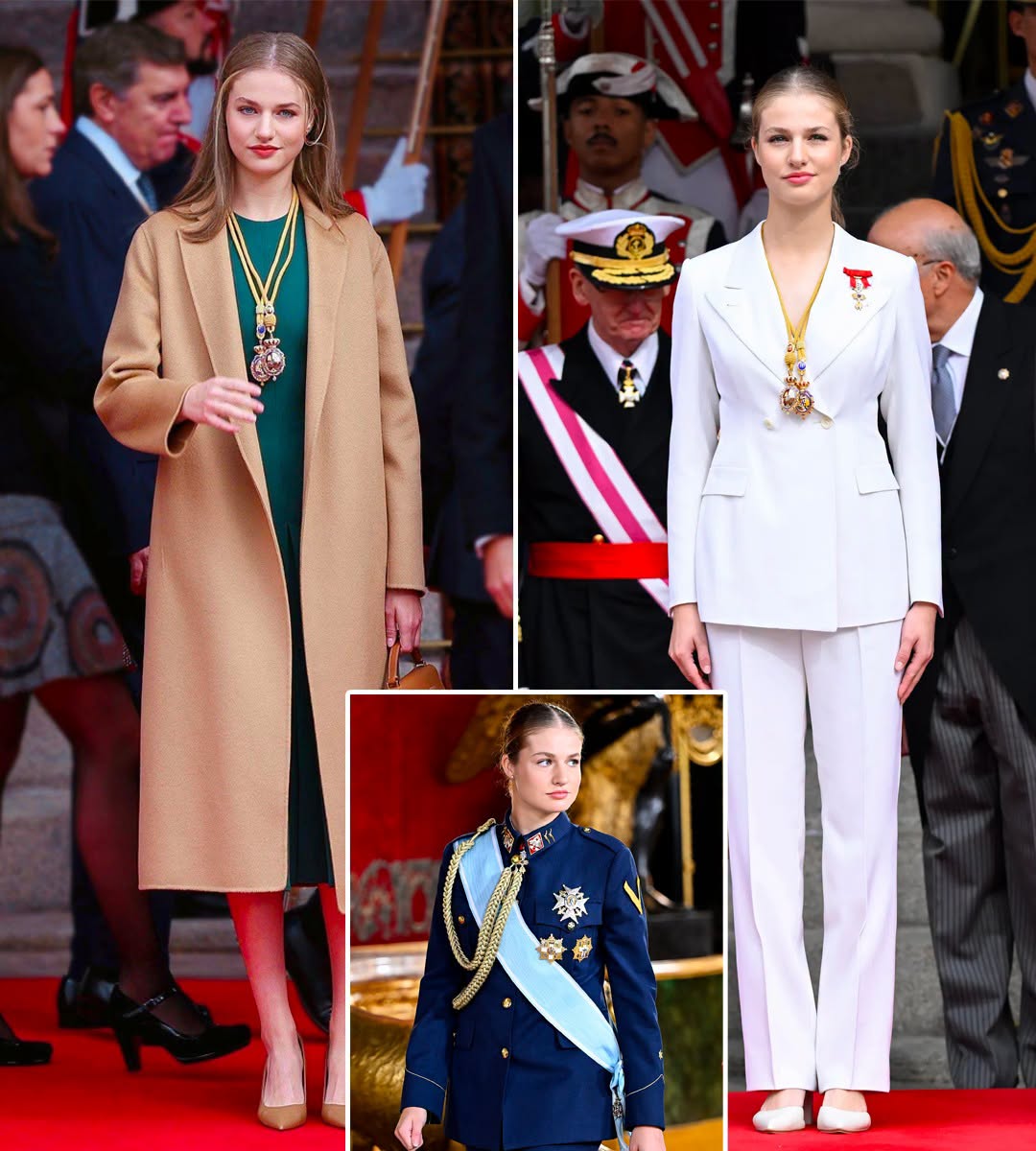
The Modern Future of an Ancient Crown: How Princess Leonor is Preparing to Make Spanish History
At just twenty years old, Princess Leonor of Spain is not simply mapping out her personal future or navigating the typical uncertainties of young adulthood. Instead, she is meticulously preparing for a destiny that is poised to rewrite the history books of her nation. As the eldest daughter of King Felipe VI and Queen Letizia, she stands as the first in line to the Spanish throne. While the vast majority of individuals her age are navigating university classrooms, exploring diverse career paths, or slowly discovering their personal identities, Leonor has spent the formative years of her life in rigorous preparation to one day lead an entire country.
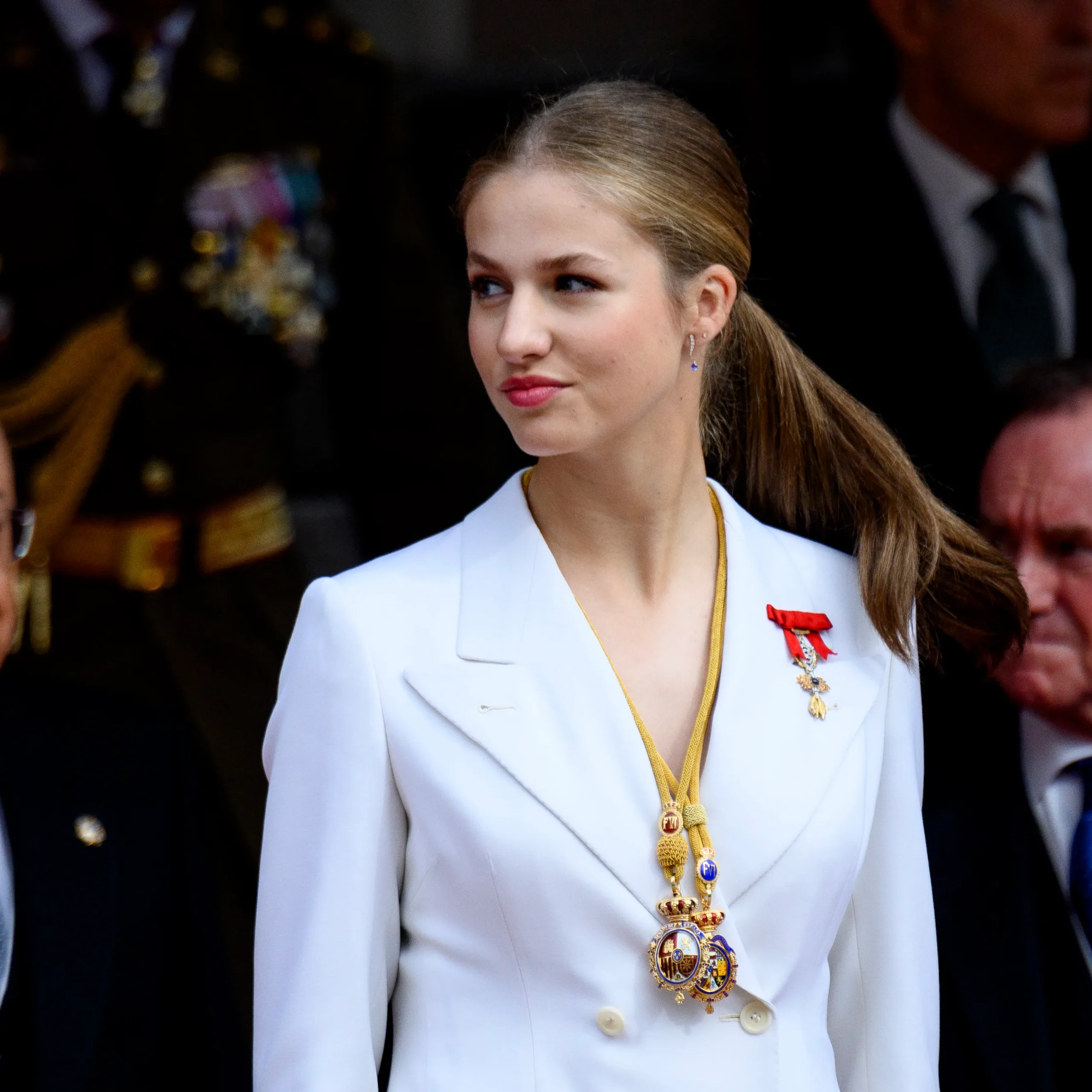
Her path to the throne has been defined by a highly structured and demanding education designed to meet the heavy expectations of a modern monarch. This preparation has extended far beyond traditional academics, taking her across international borders and into the barracks of the country’s armed forces. Her intensive military training across different branches is a vital component of her preparation, ensuring she understands the responsibilities of the future supreme commander of Spain’s military. In addition to her tactical training, she is widely reported to be fluent in several languages, a skill that underscores the increasingly complex international and diplomatic role she is expected to fulfill on the global stage.
What truly elevates Leonor’s journey from a standard royal transition into a historic milestone is the deep legacy behind it. Should she ascend to the throne as expected, she will become Spain’s first reigning queen since Isabella II, whose tumultuous reign concluded in 1868. By the time she takes the crown, more than a century and a half will have elapsed since a woman last ruled the nation in her own right. This shift represents a profound evolution for the monarchy, blending a contemporary upbringing with the weight of centuries-old traditions.
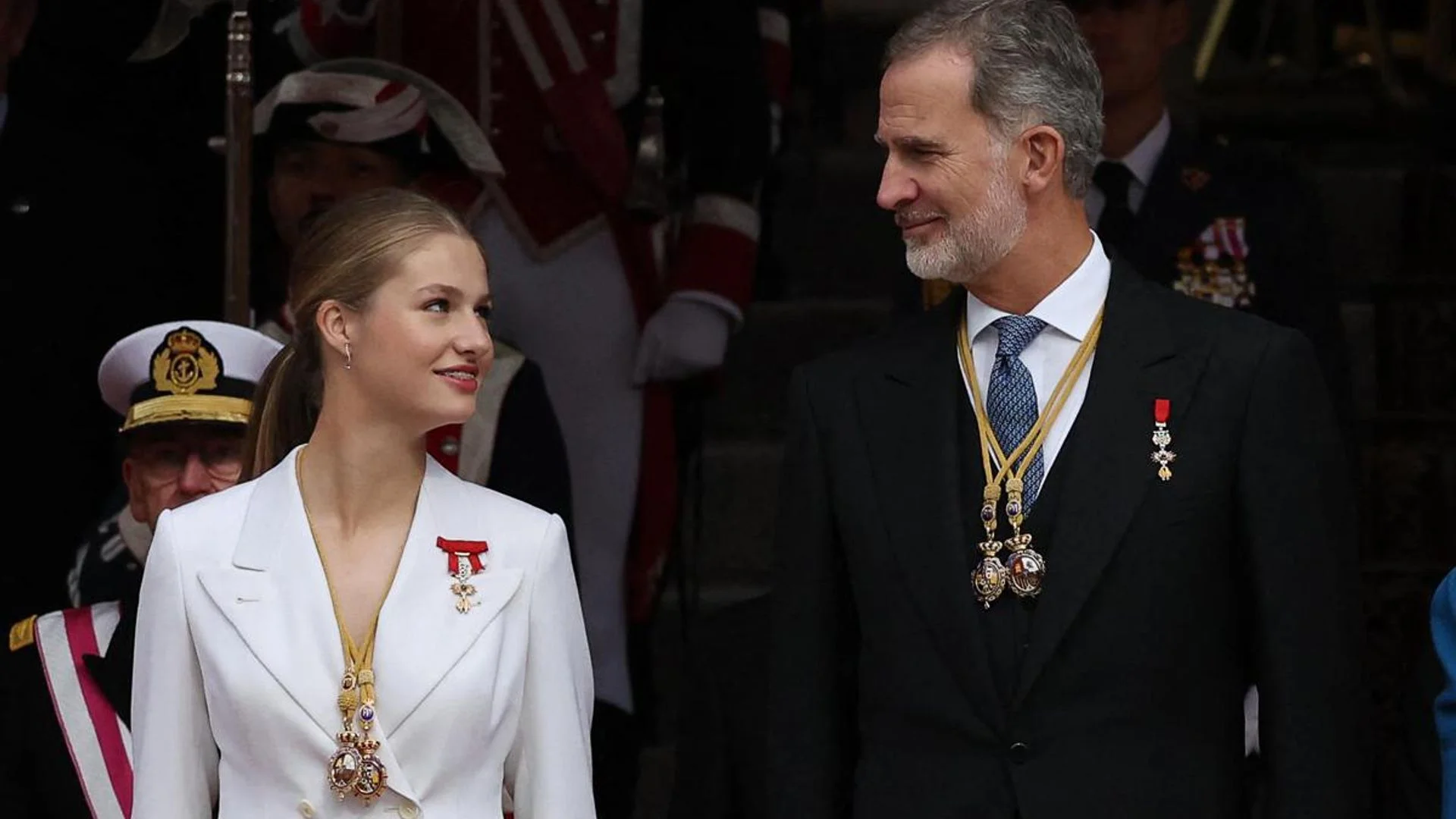
Ultimately, Princess Leonor will not merely inherit a crown; she will spearhead a new chapter in Spanish history. She represents a new generation of royals—raised in a rapidly evolving digital world, yet bound to one of Europe’s oldest and most symbolic institutions. While the future remains an open book for most twenty-year-olds, Leonor’s path has been clearly defined since the very day she was born. Her life serves as a striking reminder that history is not always written by those who choose their own direction, but is sometimes carried by those who accept the monumental duty of a lifetime of service.