Missing Everest Guide Survives Against the Odds After Seven Days
Missing Everest Guide Survives Against the Odds After Seven Days
An experienced mountain guide on Mount Everest has reportedly survived after being missing for seven days in one of the most hostile environments on Earth, a development that rescuers and fellow climbers are calling extraordinary.
The guide disappeared during a high-altitude expedition, triggering an urgent search effort as concerns grew about the chances of survival in Everest’s extreme conditions.
Search Efforts on the World’s Highest Peak
When the guide failed to return as scheduled, expedition teams and local authorities began searching sections of the mountain known for dangerous terrain and rapidly changing weather.
Rescuers faced numerous challenges, including:
- Thin air and low oxygen levels
- Freezing temperatures
- High winds and snowstorms
- Difficult climbing conditions
- Limited visibility at extreme altitude
As days passed without contact, hopes of finding the guide alive began to fade.
Found Alive After a Week
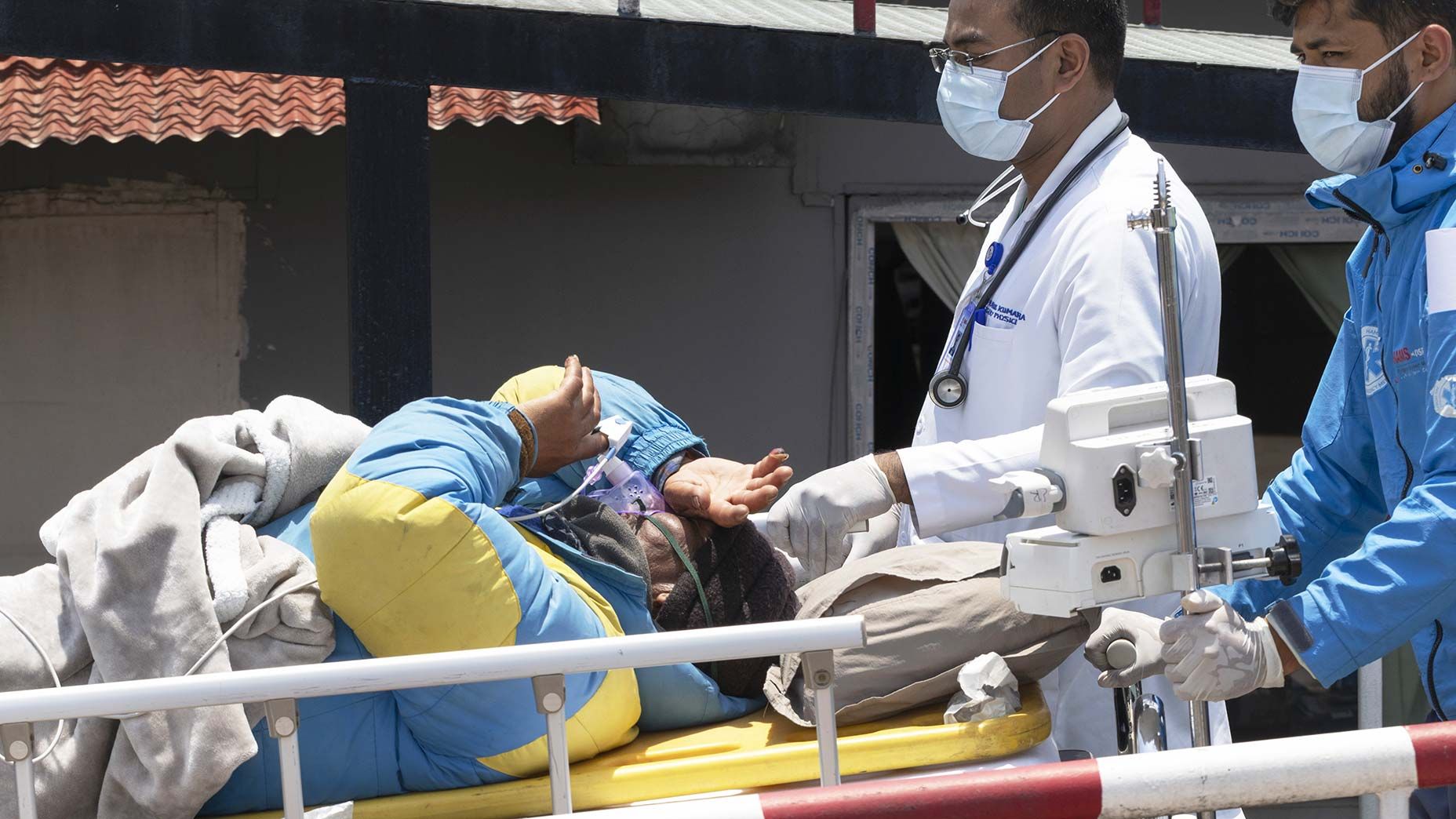
Against the odds, the missing guide was eventually located alive. Reports indicate he was suffering from exhaustion, dehydration, and the effects of prolonged exposure to high altitude, but had managed to survive despite spending days in conditions that can quickly become fatal.
Medical personnel immediately evaluated his condition and arranged for treatment and evacuation.
Surviving in Everest’s Extreme Environment
Experts note that survival at high altitude depends on several critical factors:
- Access to shelter from wind and cold
- Adequate clothing and equipment
- Previous acclimatization to altitude
- Physical endurance
- Mental resilience
Even with these advantages, surviving for an extended period on Everest remains exceptionally rare.
The Dangers of the “Death Zone”
Much of Everest’s upper slopes lie within the notorious “Death Zone,” generally considered to begin above 8,000 meters (26,247 feet).
In this region:
- Oxygen levels are dramatically reduced
- The body struggles to function normally
- Frostbite and hypothermia become major risks
- Decision-making and coordination deteriorate
Extended stays in the Death Zone can be life-threatening even for highly experienced climbers.
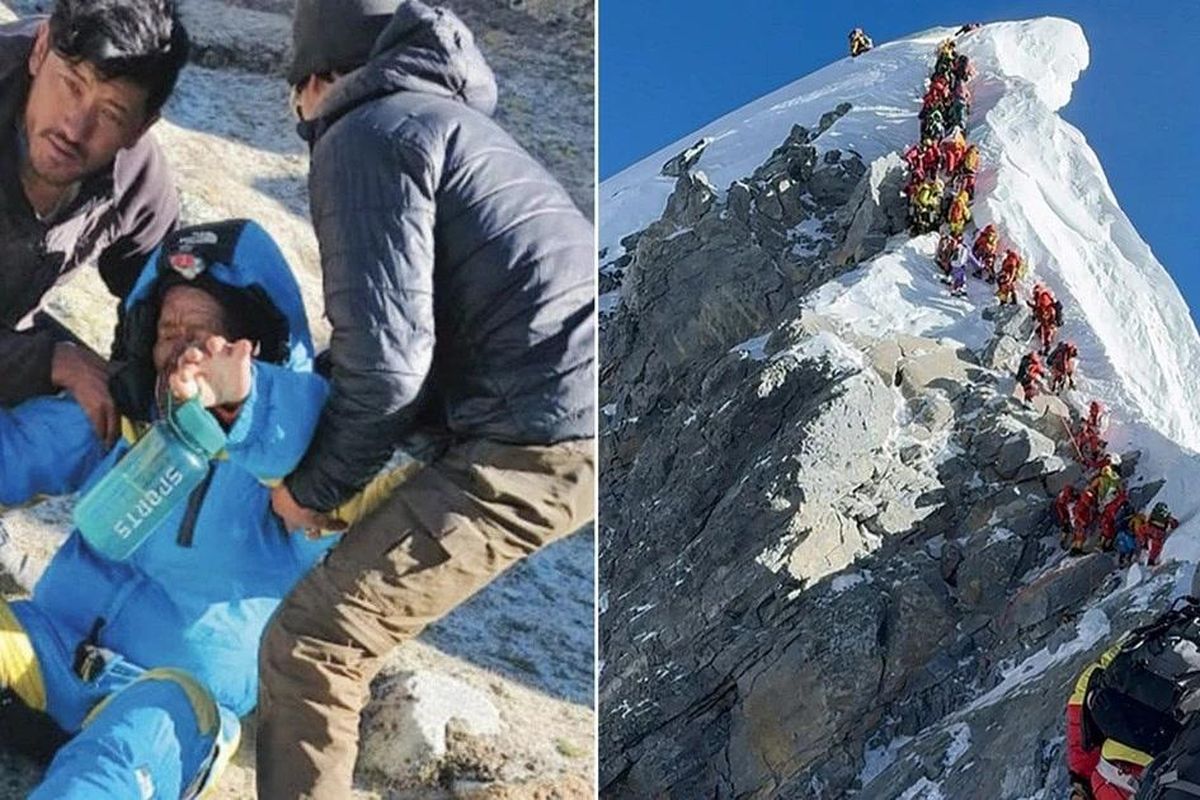
A Remarkable Survival Story
Fellow climbers have described the guide’s survival as a testament to both experience and determination. Stories of individuals enduring prolonged periods on Everest are uncommon and often become part of mountaineering history.
While recovery may take time, the guide’s rescue has brought relief to family members, colleagues, and rescuers who spent days searching for him.
Hope in Extreme Conditions
The incident serves as a powerful reminder of the dangers faced by those who work on the world’s highest mountain. It also highlights the resilience of experienced mountaineers who operate in some of the most challenging environments on Earth.
For many, the guide’s survival after seven days missing on Everest is nothing short of remarkable—a rare story of endurance, skill, and hope amid extreme adversity.