Why Sylvester Stallone’s Real-Life Struggles Made His Greatest Movie Characters So Believable

Sylvester Stallone’s Real-Life Battles Make His Fictional Triumphs Feel Profoundly Authentic
For nearly fifty years, Sylvester Stallone has been one of Hollywood’s most recognizable faces. Audiences have cheered for Rocky Balboa, followed John Rambo through impossible missions, and watched an aging Rocky mentor a new generation in the Creed films. Yet the reason these characters continue to resonate isn’t simply because of action-packed storylines or memorable speeches.
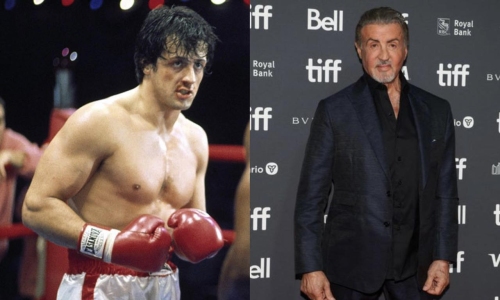
Their power comes from something much deeper.
Sylvester Stallone’s greatest performances feel authentic because they are rooted in real-life hardship. The struggles, setbacks, and emotional scars his characters carry often mirror challenges he has faced himself. Rather than hiding those experiences, Stallone transformed them into stories that millions of people could connect with.
A Difficult Beginning
Long before becoming one of Hollywood’s biggest stars, Stallone faced obstacles that could have easily ended his dreams.
Born on July 6, 1946, in New York City, Stallone suffered nerve damage during a difficult birth that left part of his face permanently paralyzed. The condition affected his speech and facial expressions, making him a target for bullying throughout his childhood.
His early years were marked by instability and hardship. He struggled academically, moved between schools, and often found himself feeling like an outsider. Yet these challenges also helped develop the resilience that would later define both his life and career.
Even as a young man, Stallone refused to let adversity determine his future.
The Rocky Story Was His Story
The turning point came in the mid-1970s.
At the time, Stallone was an aspiring actor with little money and few opportunities. He faced constant rejection from casting directors and struggled to pay basic living expenses. Despite these setbacks, he continued pursuing his dream.
Everything changed when he wrote the screenplay for Rocky.
Inspired by the spirit of underdogs who refuse to quit, Stallone completed the script in just three days. Studios loved the story and immediately expressed interest in buying it. However, there was one problem: they wanted a more established actor to play Rocky Balboa.
Stallone refused.
Despite desperately needing money, he insisted that he would only sell the screenplay if he could star in the film himself. It was a gamble that seemed reckless at the time.
Instead, it became one of the most famous decisions in Hollywood history.
When audiences watched Rocky fighting for respect and a chance to prove himself, they weren’t simply seeing a fictional boxer. They were watching Stallone’s own determination brought to life on screen.
Bringing Real Pain to Fictional Heroes
The authenticity that made Rocky successful continued throughout Stallone’s career.
In the Rambo series, he portrayed a veteran haunted by trauma, isolation, and emotional wounds. While the films became known for their action sequences, the heart of the character was always his struggle to find peace after enduring tremendous suffering.
Unlike many action heroes, Rambo wasn’t portrayed as fearless or invincible. He was damaged, vulnerable, and deeply human.
Those qualities made him relatable.
Stallone understood that true strength often comes from surviving pain rather than avoiding it, and that perspective shaped many of his most memorable characters.
The Emotional Weight of the Creed Films
Perhaps nowhere is Stallone’s personal experience more visible than in the Creed franchise.
As an older Rocky Balboa, he confronts aging, illness, loneliness, and the challenge of passing wisdom to a younger generation. The character carries a quiet sadness that feels remarkably genuine.
Part of that emotional depth comes from Stallone’s own life experiences.
Over the years, he has endured personal tragedies, including the devastating loss of his son, Sage Stallone. He has spoken openly about grief, family struggles, and the emotional challenges that accompany both success and loss.
When Rocky offers guidance to Adonis Creed or reflects on life’s hardships, audiences sense that the emotions come from a real place. The performance feels less like acting and more like lived experience shared through storytelling.
Rising After Every Setback
Stallone’s life has not followed a straight path to success.
He has experienced career highs that made him one of the world’s biggest stars. He has also faced critical failures, box-office disappointments, and periods when many believed his career was finished.
Yet he consistently found ways to reinvent himself.
Whether writing, directing, producing, or acting, Stallone continued evolving while remaining true to the themes that made his work meaningful. His story reflects the same lesson found throughout his films: setbacks are not the end unless you allow them to be.
This willingness to keep moving forward has become one of the defining qualities of his legacy.
Why Audiences Still Connect With Stallone
Many actors portray heroes. Few have lived through experiences that make those portrayals feel completely genuine.
Stallone’s characters resonate because they are not built on perfection. They struggle. They fail. They suffer losses. They question themselves. Yet they continue fighting.
Those are experiences that ordinary people understand.
Viewers see their own battles reflected in Rocky’s determination, Rambo’s resilience, and the wisdom of an older Rocky mentoring the next generation. The characters feel real because the emotions behind them are real.
A Legacy Forged Through Adversity
Sylvester Stallone’s fictional triumphs carry extraordinary emotional weight because they are built upon genuine struggle.
He didn’t simply create stories about underdogs. He lived as one. The rejection, hardship, grief, and perseverance that shaped his life became the foundation of characters who continue to inspire audiences around the world.
In an entertainment landscape often focused on perfection and instant success, Stallone represents something different. His career serves as a reminder that greatness is often forged through adversity rather than comfort.
That is why his legacy endures.
When Sylvester Stallone steps onto the screen, audiences don’t just see a movie star. They see someone who has faced life’s toughest battles and kept moving forward. And that authenticity is what makes every victory—whether Rocky’s, Rambo’s, or his own—feel earned.
Conclusion
Sylvester Stallone’s greatest strength has never been his ability to play heroes. It has been his ability to channel real-life struggles into characters that inspire hope, resilience, and determination. His journey proves that adversity does not weaken greatness—it creates it. That truth continues to make his work timeless and his legacy unforgettable.