Legends of Southeast Asian Combat: Tony Jaa & Iko Uwais (2003–2026)
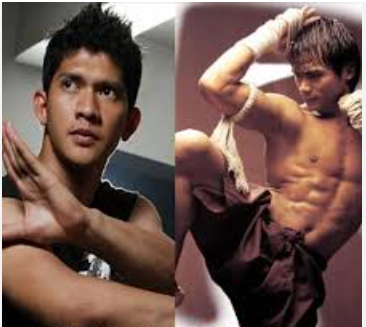
Legends of Southeast Asian Combat: Tony Jaa & Iko Uwais (2003–2026)
For more than two decades, Tony Jaa and Iko Uwais have stood among the most influential martial artists in modern cinema. Through their dedication, athleticism, and commitment to authenticity, they transformed traditional Southeast Asian fighting styles into global cinematic forces.

Their journeys began years apart, but their impact ultimately converged into a shared legacy that continues to shape action filmmaking today.
Tony Jaa’s Explosive Arrival with Ong-Bak
In 2003, Tony Jaa stunned international audiences with Ong-Bak: Muay Thai Warrior. The Thai martial artist brought a level of realism rarely seen in action films, performing breathtaking stunts without relying heavily on special effects.
His powerful kicks, devastating elbows, and fearless athleticism introduced millions of viewers to Muay Thai. More importantly, he proved that traditional martial arts could still captivate global audiences in an era increasingly dominated by computer-generated action.
The success of Ong-Bak instantly established Tony Jaa as one of the world’s premier martial arts stars.
Iko Uwais and the Rise of Pencak Silat
Several years later, Indonesia produced its own action phenomenon.
Iko Uwais gained international recognition through The Raid films, which showcased the devastating effectiveness and beauty of Pencak Silat. His speed, precision, and fluid movement brought a fresh style of combat choreography that captivated audiences and critics alike.
The intense fight sequences of The Raid quickly became benchmarks for modern action cinema. Through his performances, Uwais elevated Indonesian martial arts onto the global stage and inspired countless filmmakers to rethink how fight scenes could be presented.
Bringing Southeast Asian Martial Arts to the World
Although Tony Jaa and Iko Uwais followed different paths, both men shared a common mission.
Each served as an ambassador for the martial arts traditions of his homeland. Jaa introduced the explosive power of Muay Thai, while Uwais demonstrated the technical mastery of Pencak Silat.
Their films reached audiences far beyond Southeast Asia, creating worldwide interest in martial arts that had previously received limited international exposure. Today, their influence can be seen across Hollywood productions, streaming series, and action films around the globe.
A Historic Reunion in 2026
The reunion of Tony Jaa and Iko Uwais in 2026 represents a significant moment for martial arts cinema.
The image of these two legends together symbolizes more than individual success. It reflects over twenty years of dedication to preserving and promoting their cultural traditions through film.
What began as separate journeys in Thailand and Indonesia evolved into a shared legacy that transcends borders and generations.
For fans of action cinema, their reunion serves as a celebration of everything they have contributed to the genre.
The Legacy They Continue to Build
Even after decades in the industry, neither star has stopped evolving.
Tony Jaa remains a respected figure in both Asian and international productions, while Iko Uwais continues bringing his unique fighting style to global audiences through film and television projects.
Together, they have influenced an entire generation of performers, choreographers, and filmmakers. Their commitment to authenticity has helped preserve traditional martial arts while simultaneously pushing action cinema forward.
Conclusion
Tony Jaa and Iko Uwais are more than martial arts stars—they are cultural ambassadors, innovators, and living legends.
From Ong-Bak in 2003 to their celebrated reunion in 2026, both men have dedicated their careers to showcasing the power, beauty, and discipline of Southeast Asian combat traditions.
Their stories prove that great martial artists do more than win fights on screen. They inspire audiences, preserve cultural heritage, and leave behind legacies that continue to influence the world long after the credits roll.