An Orca Washed Ashore – A Silent Signal From the Ocean
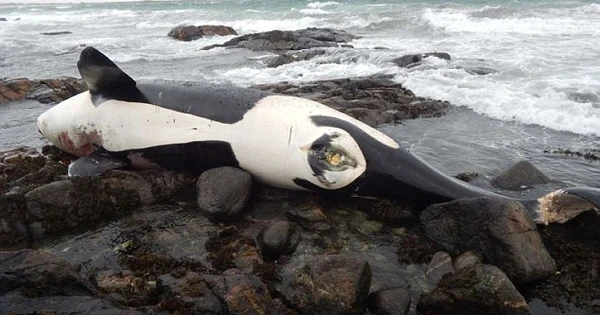
An Orca Washed Ashore – A Silent Signal From the Ocean
A powerful orca, one of the ocean’s most intelligent apex predators, has been found washed ashore in a tragic and mysterious incident. Scientists and marine biologists are now racing against time to determine what caused its death, as every stranded whale may hold critical clues about the health of our oceans.
At first glance, this may seem like an isolated natural event. But experts warn that strandings like this are often part of a much larger story—one that involves pollution, climate change, human activity, and the fragile balance of marine ecosystems.
The Intelligence Behind the Ocean’s Apex Predator
Orcas (killer whales) are not just predators—they are highly intelligent, socially complex animals. They live in tight-knit family groups known as pods, where communication, hunting strategies, and survival skills are passed down across generations.
Each pod even has its own “culture,” including unique hunting techniques and vocal dialects. Because of this, the loss of a single individual can disrupt the social structure and behavior of the entire group.
Scientists often compare their social intelligence to that of dolphins and even great apes, making every death not only biological—but ecological and social.
What Could Have Caused the Stranding?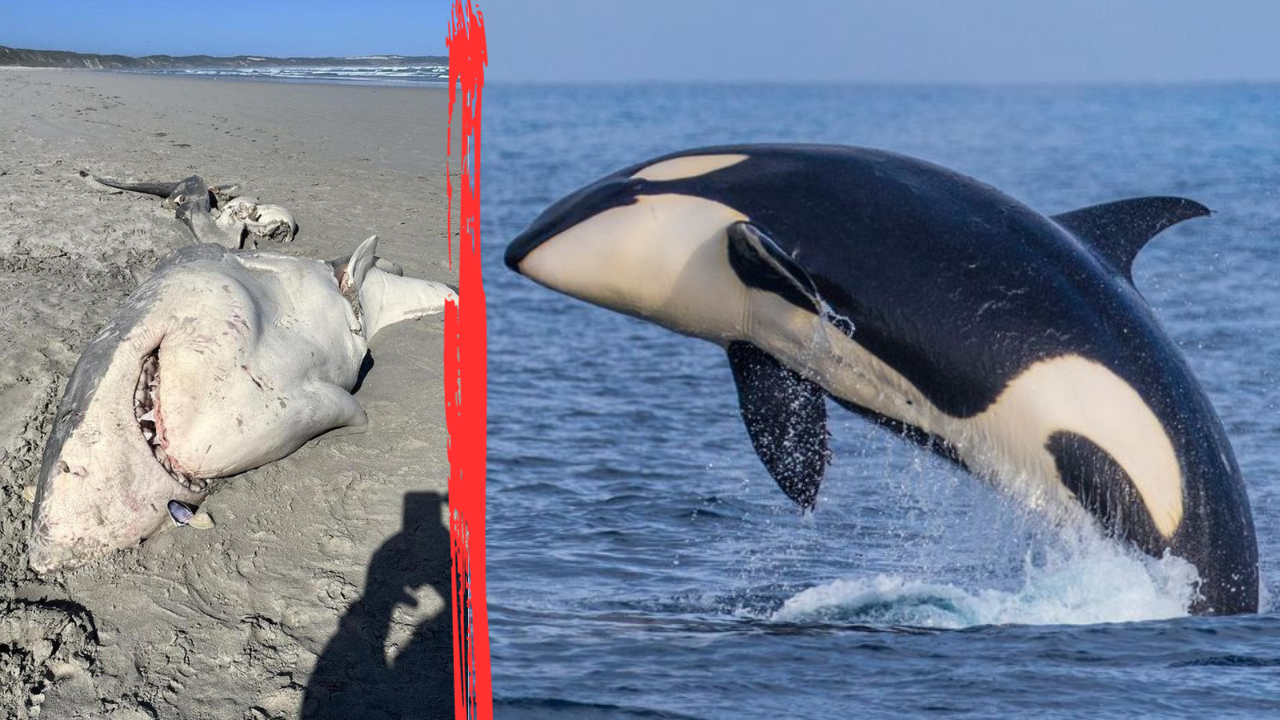
The investigation into the orca’s death typically explores several possible causes:
1. Pollution and Toxic Exposure
Marine pollution remains one of the biggest threats to ocean life. Orcas sit at the top of the food chain, meaning they accumulate toxins such as heavy metals, PCBs, and microplastics through a process called biomagnification. Over time, these toxins can weaken their immune systems and damage vital organs.
2. Ship Strikes and Human Activity
As global shipping traffic increases, collisions between large vessels and whales are becoming more common. Even non-fatal impacts can cause internal injuries that lead to delayed death and eventual stranding.
3. Noise Pollution and Sonar Disturbance
The ocean is no longer silent. Military sonar, seismic surveys, and shipping noise can disrupt echolocation—the system orcas use to navigate and hunt. In extreme cases, this can disorient whales, forcing them into shallow waters where they become stranded.
4. Disease and Natural Causes
In some cases, strandings are caused by infections, parasites, or age-related illness. However, determining this requires a full necropsy and laboratory testing, which can take weeks.
5. Climate Change and Ecosystem Shifts
Warming oceans are altering prey distribution. If food sources move or decline, orcas may be forced into unfamiliar waters, increasing the risk of navigation errors or starvation.
A Growing Global Pattern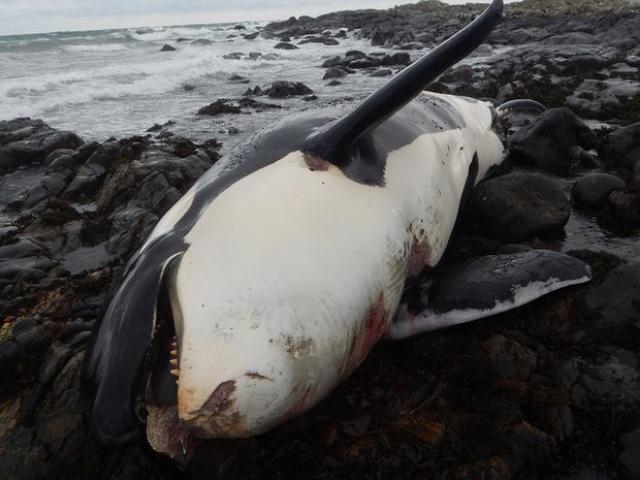
Marine scientists have observed that whale strandings are not random events. In several regions, the frequency appears to be increasing—raising concerns about long-term ocean health.
While a single stranding may not indicate disaster, patterns of repeated events can reveal:
- rising ocean pollution levels
- disruption of food chains
- increasing human interference in marine habitats
Why This Matters Beyond One Animal
The death of an orca is not just a wildlife incident—it is a warning signal from one of the ocean’s most sensitive indicators.
Because orcas live long lives and sit at the top of the marine food chain, their health reflects the overall condition of the ocean ecosystem. When they suffer, it often means deeper problems are already unfolding below the surface.
As one marine researcher put it:
“Orcas are like mirrors of the ocean. When they are in trouble, the ocean is in trouble.”
The Investigation Continues
Teams are currently analyzing tissue samples, water quality, and environmental data from the stranding site. Results may help determine whether this was a natural death—or part of a larger environmental issue.
Until then, the mystery remains unsolved.
Final Reflection
This stranded orca is more than a single tragedy—it is a reminder that the ocean is not distant or separate from human life. It is a shared system, deeply affected by every action we take on land and at sea.
And the question remains:
What stories are the oceans trying to tell us—and are we listening before it’s too late?