Two Legends Gone, One Still Standing at 96: Why The Good, the Bad and the Ugly Still Pulls the World Back to Its Fateful Gold-Rush Duel Almost Six Decades Later
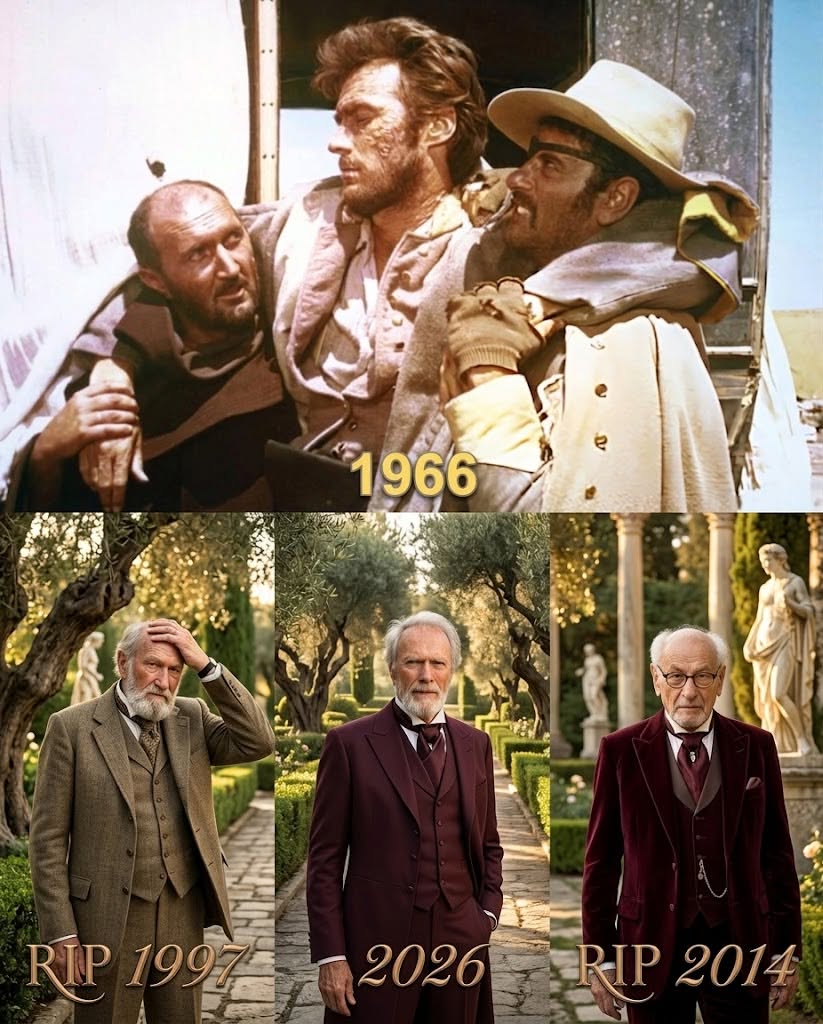
Two Legends Gone, One Still Standing at 96: Why The Good, the Bad and the Ugly Still Pulls the World Back to Its Fateful Gold-Rush Duel Almost Six Decades Later
Nearly sixty years after The Good, the Bad and the Ugly first rode across the screen, its power still refuses to fade. Every time Ennio Morricone’s music begins, the world is pulled back to that sunburned frontier, where dust, greed, silence, and destiny circle one buried fortune.
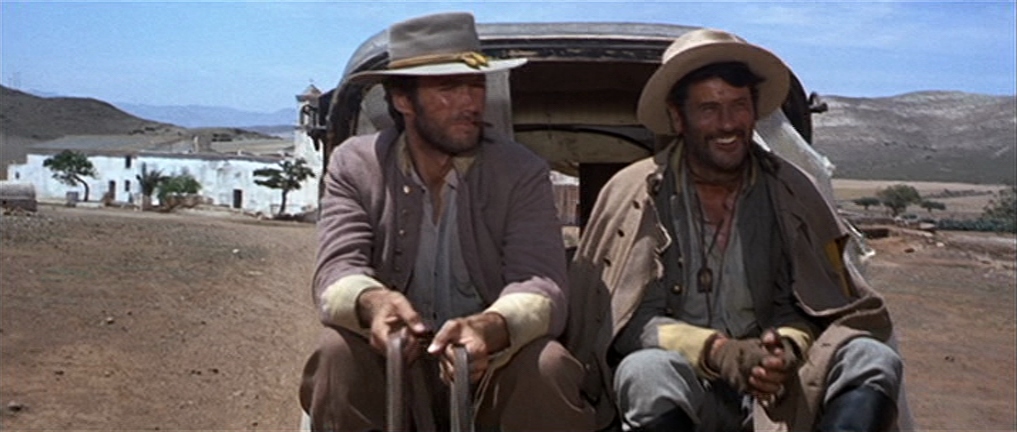
Sergio Leone did not create his Western with easy spectacle. He built it with faces, tension, stillness, and time. Under the harsh Spanish sun, Clint Eastwood’s Blondie became the image of quiet danger: calm, watchful, and almost impossible to read. He said little, but every glance carried weight. The poncho, the narrowed eyes, and the patient silence turned him into a figure cinema could never forget.
Beside him was Eli Wallach as Tuco, wild, desperate, funny, cruel, and painfully human. Tuco was not just an outlaw. He was hunger, fear, pride, and survival in motion. Wallach gave the film its restless heartbeat, making audiences laugh one moment and unexpectedly care the next.
Then came Lee Van Cleef as Angel Eyes, cold as steel and sharp as a blade. His menace needed no shouting. One look was enough to make the screen feel dangerous.
Today, two of these legends are gone. Van Cleef passed away in 1989. Wallach left the world in 2014 at the age of 98. Clint Eastwood remains, at 96, the last living face of that immortal trio.
The treasure at Sad Hill Cemetery was never only gold. It was the chemistry between three actors, Leone’s vision, and Morricone’s music rising like a ghost across the plains.
The cameras are gone. The dust has settled. But when the final duel begins, Blondie, Tuco, and Angel Eyes live again.
Some films grow old. This one grows larger.