Brazil Rope-Jump Tragedy Update: Skeleton Bridge May Be Demolished as Police Search for Missing Camera in Maria Eduarda Case
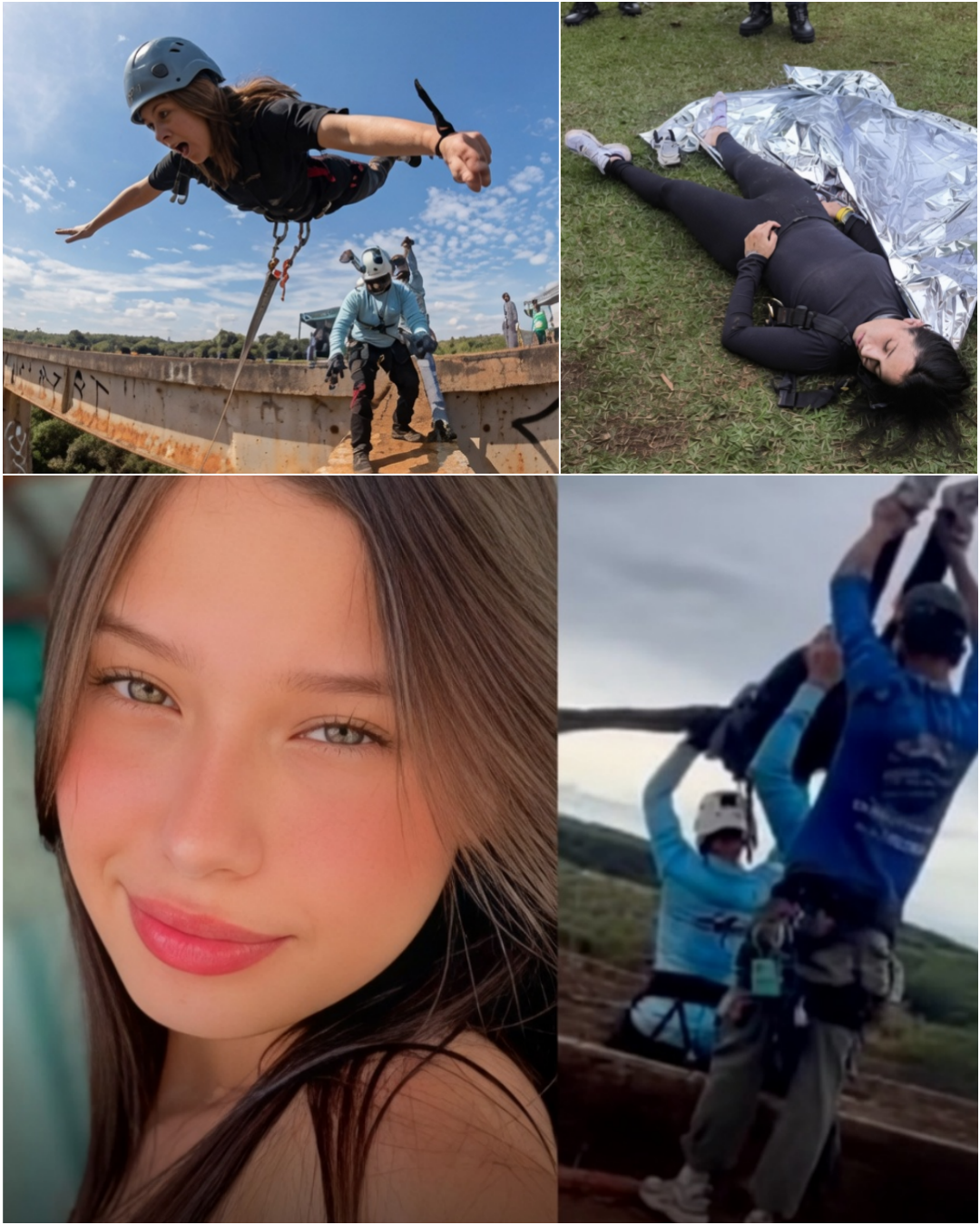
The tragic death of 21-year-old Maria Eduarda Rodrigues de Freitas continues to shake Brazil as investigators, authorities, and the public search for answers after a rope-jump activity at Skeleton Bridge ended in disaster.
Maria died on June 13, 2026, in Limeira, São Paulo, after being launched from Ponte do Esqueleto, known as Skeleton Bridge. What was supposed to be an unforgettable adventure became a heartbreaking tragedy when investigators said she was released without being properly connected to the main safety rope.
Now, days after her death, the case has expanded beyond the question of one fatal safety failure. Authorities are examining the people who operated the jump, the missing camera that may have recorded the final moments, and the future of the bridge itself.
According to reports, three men linked to the rope-jump operation remain under investigation and have been held in pre-trial detention. They were identified in media reports as Luis Felipe Feliciano Egoroff, Vitor de Freitas Gonçalves, and Maicon Fernandes Cintra. Authorities are treating the case as homicide with implied risk, meaning investigators believe the suspects may not have intended to kill Maria, but may have acted with serious disregard for a deadly danger.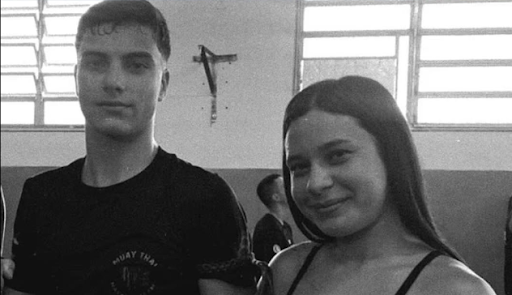
One of the most disturbing details in the investigation is that the instructors reportedly could not clearly say who was responsible for attaching or checking Maria’s safety rope before the launch.
That question has become central to the case.
In any extreme activity, especially one involving a fall from a bridge, safety cannot depend on memory, assumption, or confusion. There must be a clear system. One person must attach the equipment. Another must check it. The final signal must only be given after every connection has been confirmed.
In Maria’s case, investigators say that did not happen.
Reports say she was supposed to be attached to the safety system before being released from the bridge. Instead, she was allegedly launched while unsecured. Witnesses reportedly noticed the rope was still on the platform only moments after she was thrown, but it was already too late.
The tragedy has also turned attention toward Skeleton Bridge itself.
After Maria’s death, authorities began discussing stronger action to prevent people from accessing the abandoned structure. Reports say officials may move forward with plans to demolish the bridge or permanently block access to the area. Temporary measures, including barriers, warning signs, and trenches, are also expected to be restored or strengthened to stop unauthorized activity.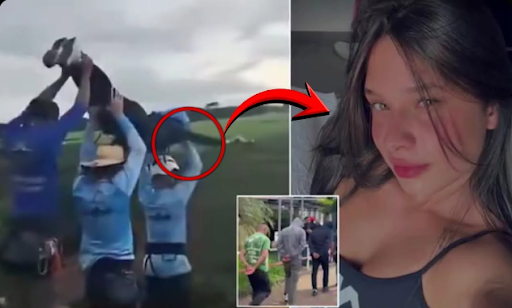
For many people, that update feels painfully overdue.
Skeleton Bridge had reportedly been used by thrill seekers and adventure groups despite concerns over safety and authorization. The structure, once part of an old railway project, had become known as a risky spot for rope-jump activities. But after Maria’s death, the public is asking why such a dangerous location was still accessible and why organized jumps were allowed to happen there without stronger control.
Authorities have said the rope-jump activity was not properly authorized. That has raised even more questions about who should have been monitoring the bridge, who allowed groups to operate there, and whether government agencies failed to act before tragedy struck.
Another major focus of the investigation is a missing GoPro-style camera.
Reports say Maria may have paid to have her jump recorded and may have been wearing or holding an action camera when she was launched. A witness reportedly claimed that someone connected to the operation removed the camera from Maria after the fall. Police are now searching for the device because it could contain crucial footage from the moments before the tragedy.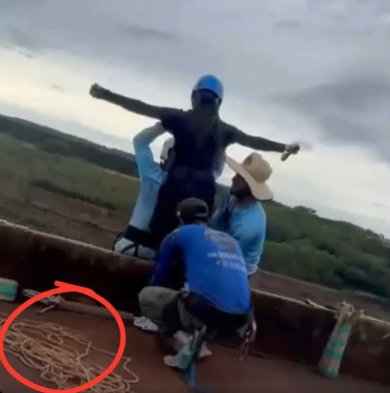
That camera may help answer questions that witnesses and investigators are still trying to resolve.
Was the safety rope visibly missing? Did anyone warn the instructors before Maria was released? Who gave the final signal? Did the team realize the mistake before or after the launch? And what happened immediately after she fell?
For Maria’s family, the missing camera is not just evidence. It may be one of the only ways to understand the last moments of her life.
The pain surrounding this case is difficult to measure. Maria was only 21 years old. She had dreams, people who loved her, and a future still ahead. Reports say she had an interest in physical education and wanted to build a life connected to sport and movement.
She did not go to Skeleton Bridge expecting danger without protection. She went there trusting that the people running the activity knew what they were doing. She trusted the equipment. She trusted the system. She trusted that someone would check every rope before allowing her to be launched.
That trust was broken.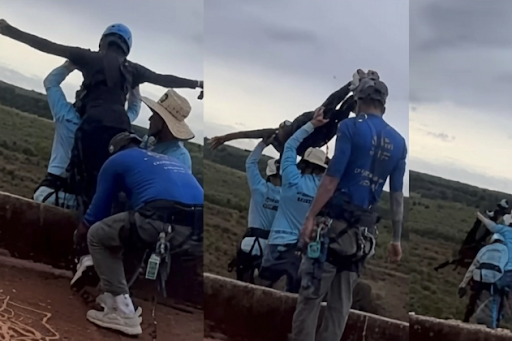
The case has now become a national warning about adventure tourism and extreme sports safety. Rope jumping may attract people looking for courage, adrenaline, and unforgettable memories, but no thrill should ever come before basic safety. When a person’s life depends on ropes, harnesses, locks, and signals, there is no room for carelessness.
Every step matters.
Every check matters.
Every person on the team must know exactly what they are responsible for.
Maria’s death has also sparked debate about whether Brazil needs stricter rules for rope-jump operations. While some extreme sports have clearer safety standards, rope jumping has been described by some reports as an activity that can fall into a gray area if operators are not properly licensed, inspected, or supervised.
That lack of clarity can become dangerous.
If there are no strict rules, then safety may depend too heavily on individual operators. If there are no inspections, then risky sites may continue attracting people. If there is no clear legal responsibility, then tragedies can happen before authorities step in.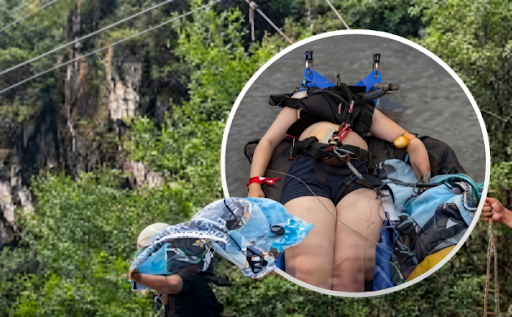
Maria’s case shows why those questions matter.
The investigation is still ongoing. No final verdict has been announced. The suspects have the right to defend themselves in court, and investigators will continue gathering evidence, witness statements, video footage, and technical information about the jump setup.
But even before the legal process is complete, the case has already left a deep mark.
A young woman lost her life in a moment that many believe should have been prevented. A family is now grieving. A bridge once associated with adventure is now associated with loss. And Brazil is facing urgent questions about safety, responsibility, and accountability.
Maria Eduarda Rodrigues de Freitas came for an adventure.
She should have returned home with a video, a memory, and a story to tell.
Instead, her death has become a call for answers.
Her family deserves the truth. The public deserves accountability. And every person who places their life in the hands of an adventure operator deserves to know that safety will never be ignored.
Maria was only 21.
Her life mattered.
And the questions surrounding her final moments must not be forgotten.