Skeleton Bridge Access Closed After Maria Eduarda’s Fatal Rope-Jump as Authorities Consider Demolishing Dangerous Site
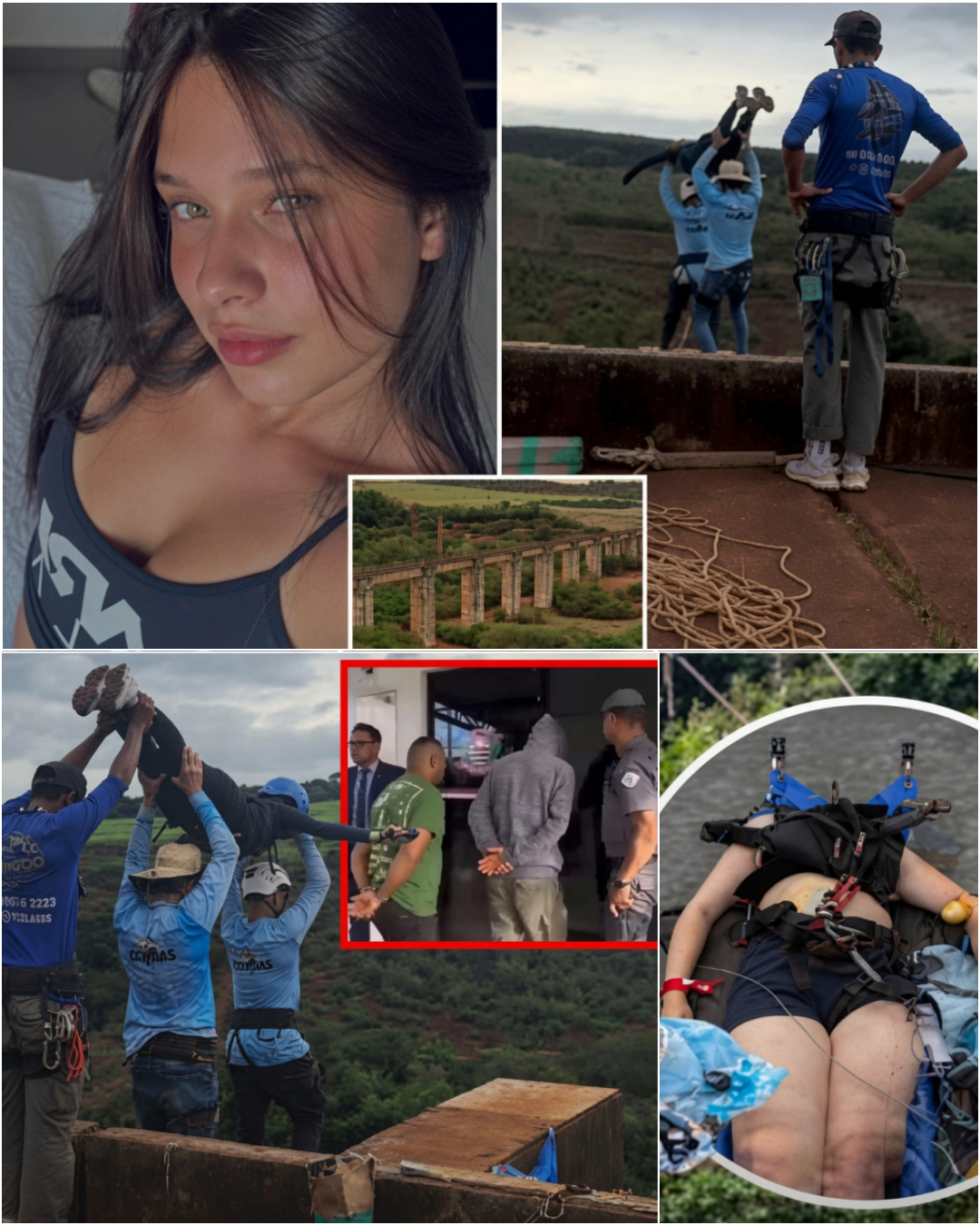
The death of 21-year-old Maria Eduarda Rodrigues de Freitas has turned Skeleton Bridge from a place known for risky adventure into a symbol of danger, failed oversight, and unanswered responsibility.
Days after Maria was fatally launched from the bridge during a rope-jump activity in Limeira, São Paulo, authorities moved to close irregular access points and strengthen emergency safety measures around the structure. Officials are also discussing whether the abandoned bridge should be demolished to prevent future tragedies.
For many people in Brazil, the question is painful and direct: why did it take a young woman’s death for stronger action to happen?
Maria died on June 13, 2026, after taking part in a rope-jump activity at Ponte do Esqueleto, commonly known as Skeleton Bridge. According to investigators, she was launched from the bridge without being connected to the safety rope that should have protected her during the fall.
The incident shocked the country not only because of the fatal mistake, but because the location itself had long been known as dangerous.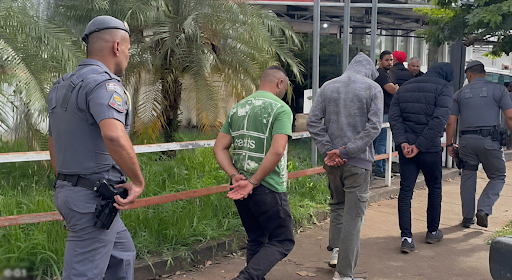
Skeleton Bridge is an abandoned railway structure. Over time, it became a destination for thrill seekers, photographers, explorers, and extreme-sports groups. Its height, isolation, and dramatic appearance made it attractive to people looking for adrenaline. But those same qualities also made it a serious public safety concern.
Reports say the area was not meant for public access. Authorities have stated that entering the site is not allowed, and the bridge had no proper safety infrastructure for visitors or organized activities. Despite that, people continued to reach the structure.
After Maria’s death, Limeira officials reinforced security measures in the area. Access points were closed, emergency barriers were restored, and new efforts were made to prevent people from approaching the bridge. The city said previous measures had been taken, including trenches intended to block entry, but some of those protections were reportedly removed without authorization.
That detail has raised another concern: even when authorities tried to restrict access, the site still remained vulnerable.
Now, the possibility of demolishing the bridge is being discussed.
Supporters of demolition argue that Skeleton Bridge has become too dangerous to remain standing in its current condition. They say the structure continues to attract people despite warnings and restrictions, creating a constant risk of another tragedy. For Maria’s family and many members of the public, removing the bridge may be the only way to make sure no one else is harmed there.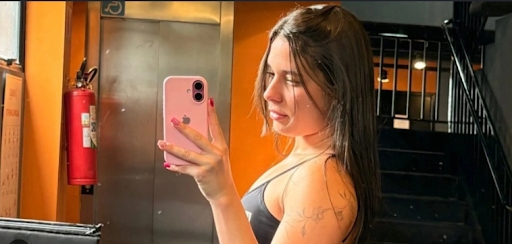
But the issue is complicated.
Reports say questions over ownership and responsibility have made it difficult to determine who should act, who should fund the work, and which level of government is responsible for the final decision. The bridge’s history as part of an old railway system has added legal and administrative complexity to the situation.
While officials discuss the future of the structure, the criminal investigation into Maria’s death continues.
Three men linked to the rope-jump operation have been arrested and remain under investigation. They have been identified in reports as Luis Felipe Feliciano Egoroff, Vitor de Freitas Gonçalves, and Maicon Fernandes Cintra. Authorities are treating the case as homicide with implied risk, meaning investigators believe the suspects may not have intended to kill Maria but may have acted with serious disregard for a known danger.
Investigators say Maria was not connected to the safety rope when she was launched. Reports also say the instructors could not clearly explain who was responsible for attaching or checking the rope before the jump.
That uncertainty has become one of the most disturbing parts of the case.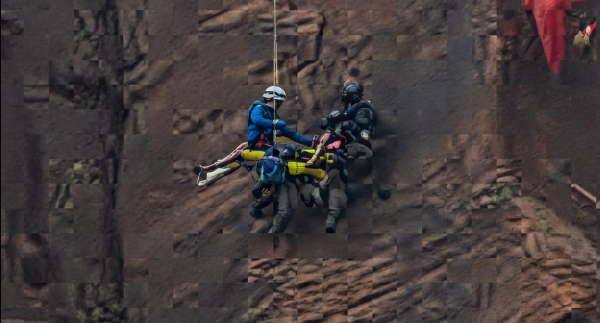
In any organized extreme activity, responsibility must be clear. There must be a checklist. There must be a final inspection. There must be a person responsible for the equipment and another person responsible for confirming that everything is safe before the signal is given.
There can be no confusion when a life is hanging on a rope.
Maria trusted that the people around her would not let her go unless every safety step had been completed. She trusted that the bridge, the activity, and the operators were under control. She trusted that what she was doing was dangerous only in the exciting way adventure sports are meant to be dangerous — not dangerous because the most basic protection was missing.
That trust was broken.
The closure of access points around Skeleton Bridge may help prevent immediate risks, but it does not erase what happened. It does not answer why organized activities were taking place there. It does not explain how people could continue reaching the bridge despite warnings. And it does not bring Maria back to her family.
Her death has forced a broader debate about abandoned structures and extreme sports in Brazil.
If a place is known to be dangerous, who is responsible for securing it? If people continue entering despite restrictions, should stronger measures be taken earlier? If companies or groups use such locations for paid activities, what permits and inspections should be required? And when multiple levels of government are involved, who is ultimately accountable for protecting the public?
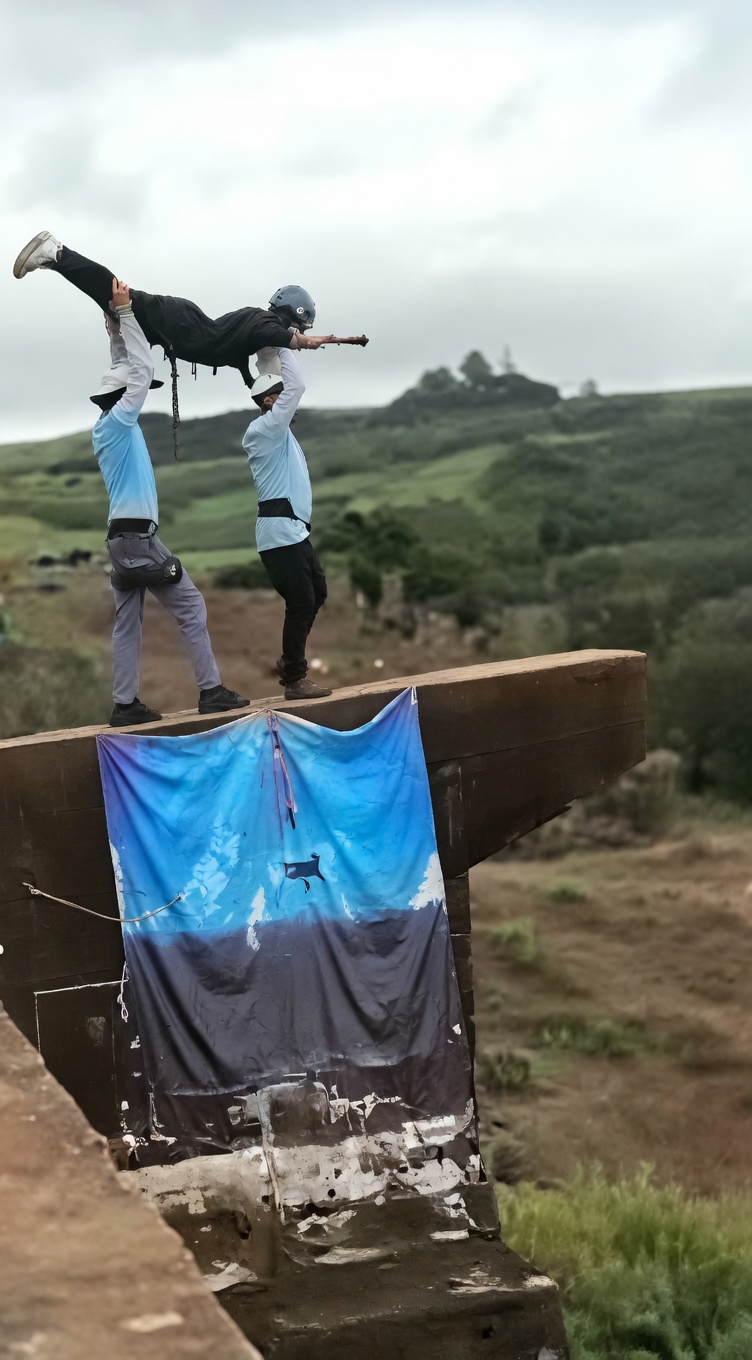
These questions matter because Skeleton Bridge is not the only place like this.
Across many countries, abandoned structures often become unofficial tourist spots. People visit them for photos, adventure, and online attention. But when these places are not maintained, supervised, or legally approved for public use, the risks can become deadly.
Maria’s case shows what happens when danger becomes normalized.
The bridge became known. People went there. Activities were organized. Videos were shared. The site gained attention. But behind the excitement, the structure remained unsafe and access remained uncontrolled.
Then one day, a 21-year-old woman never came home.
Authorities may now decide to demolish Skeleton Bridge, reinforce security around it, or impose stronger restrictions. Whatever decision is made, many people believe the response must be more than symbolic. It must be strong enough to prevent another family from experiencing the same loss.
Maria Eduarda Rodrigues de Freitas did not go to Skeleton Bridge expecting to become part of a national tragedy.
She went for adventure.
She should have left with a memory.
Instead, her death has forced Brazil to confront the danger of places left unmanaged, activities left unchecked, and safety systems left unclear.
The bridge may eventually be torn down.
But the questions it leaves behind will remain.
Why was it still accessible?
Why were people still operating there?
Why was Maria launched without the rope that should have saved her?
Until those questions are fully answered, Skeleton Bridge will stand not only as a dangerous structure, but as a warning about what can happen when risk is ignored for too long.