Three Instructors Under Investigation After Maria Eduarda’s Fatal Rope-Jump as Police Ask Who Failed to Attach the Safety Rope
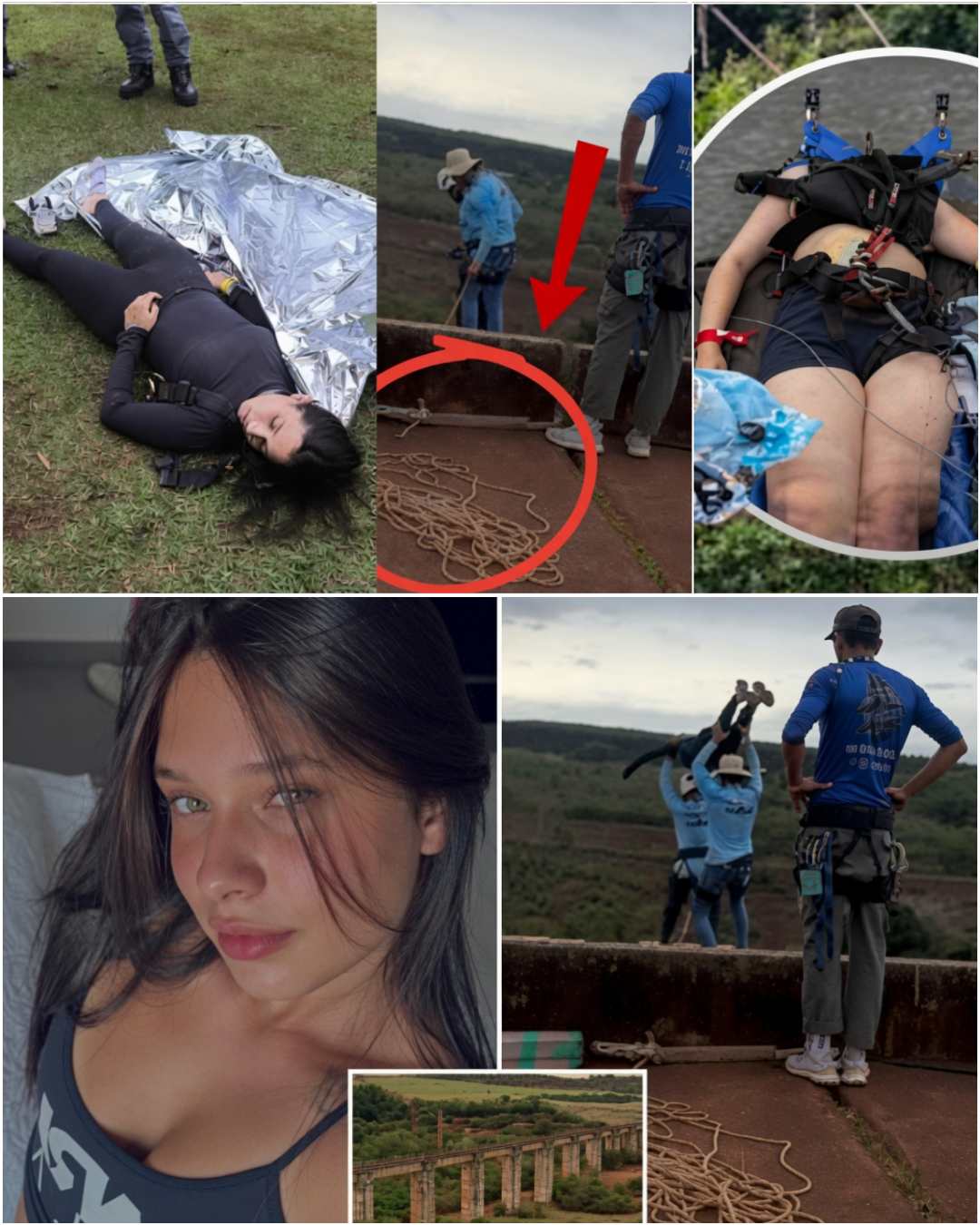
The investigation into the death of 21-year-old Maria Eduarda Rodrigues de Freitas has centered on one painful and disturbing question: who was responsible for attaching the safety rope before she was launched from Skeleton Bridge?
Maria died on June 13, 2026, during a rope-jump activity in Limeira, São Paulo, Brazil. She had gone to Ponte do Esqueleto, known as Skeleton Bridge, for what should have been an exciting adventure. Instead, investigators say she was released from the bridge without being connected to the main safety system that should have protected her during the fall.
Three men linked to the rope-jump operation were arrested after the tragedy and remain under investigation. They have been identified in reports as Luis Felipe Feliciano Egoroff, Vitor de Freitas Gonçalves, and Maicon Fernandes Cintra.
Authorities are treating the case as homicide with implied risk, a legal classification used when investigators believe a person may not have intended to cause death, but may have accepted the possibility of a fatal outcome through serious disregard for danger.
At the heart of the case is the apparent failure of the most basic safety step.
Maria should have been secured before being launched. Reports say she was not.
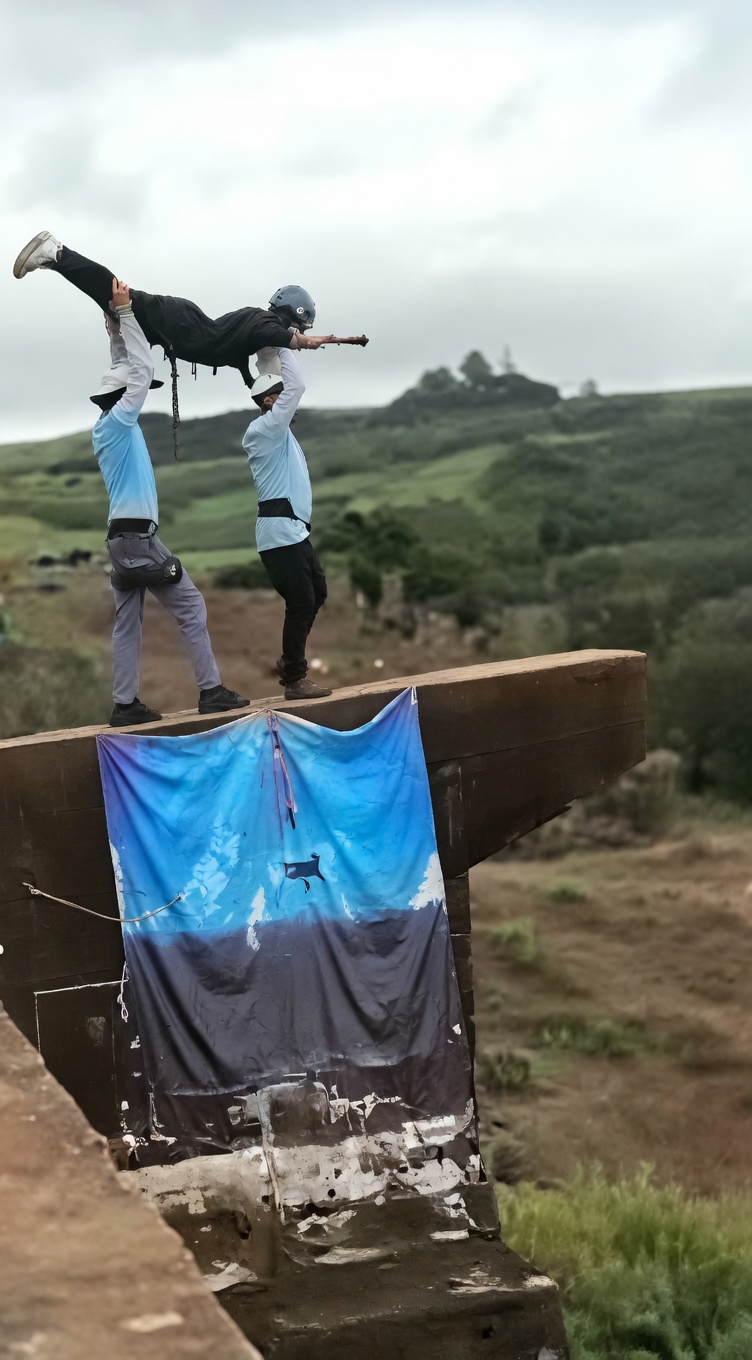
One of the most troubling details reported in the case is that the people involved allegedly could not clearly explain who was supposed to attach or check Maria’s rope before the launch. In a high-risk activity, that uncertainty is more than a procedural problem. It is a sign that the entire safety system may have failed before the jump even began.
Extreme sports depend on trust, but that trust must be supported by strict procedure.
When someone agrees to jump from a bridge, they are not only trusting the rope. They are trusting every person involved in the operation. They are trusting that the harness has been inspected, that the rope has been properly connected, that the anchor points are secure, that the final check has been completed, and that nobody will give the launch signal until every safety step has been confirmed.
There can be no guessing.
There can be no unclear roles.
There can be no assumption that “someone else” already handled it.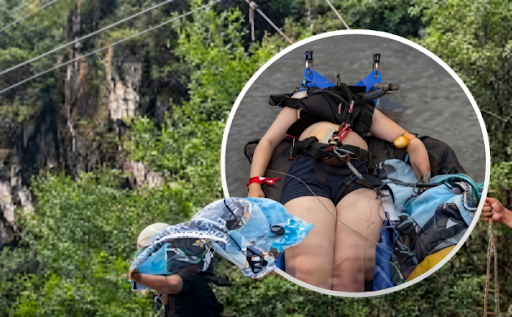
In Maria’s case, investigators say the safety connection was missing when she was released. Witnesses reportedly noticed the rope was still on the platform only moments after the launch, but by then it was too late to stop the tragedy.
That detail has horrified the public because it suggests the fatal mistake may have been visible before the jump.
If the rope was still on the bridge, how did no one stop the launch?
If multiple people were present, why did no one confirm the connection?
If the jump involved a paid service, why was there not a final checklist?
And if the instructors cannot clearly say who was responsible, how was the activity being safely operated at all?
These are the questions now surrounding the three men under investigation.
The legal process is still ongoing, and no final verdict has been announced. The suspects have the right to defend themselves in court, and investigators must prove responsibility through evidence, witness statements, technical analysis, and available footage.
But the public response has been intense because the case appears, to many observers, painfully preventable.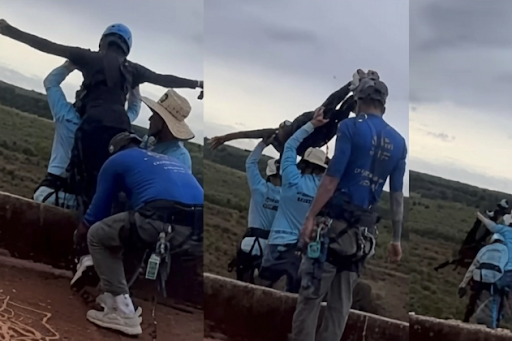
Maria was not alone on the bridge. She was not attempting an improvised jump by herself. She was participating in an activity organized by people who were expected to understand the risks. That is why responsibility matters so deeply in this case.
A participant in an extreme sport may accept the thrill of height, speed, and fear. But they do not accept being launched without the safety system they paid for and trusted.
That difference is important.
Adventure is not negligence.
Risk is not the same as carelessness.
A rope-jump activity is dangerous by nature, but it is supposed to be controlled danger. The entire experience depends on transforming a frightening fall into a managed swing. Without the rope connection, the activity is no longer a sport. It becomes a fall.
For Maria, that missing connection was fatal.
The investigation is also examining whether the activity at Skeleton Bridge was properly authorized. Reports say the operation was not officially approved to take place at the abandoned railway structure. That has raised additional concerns about whether the group had permission, proper supervision, safety planning, or emergency protocols.
But even if the legal status of the activity becomes a major part of the case, the central human question remains simple: why was Maria released before she was secured?
Her family is now left with grief and uncertainty.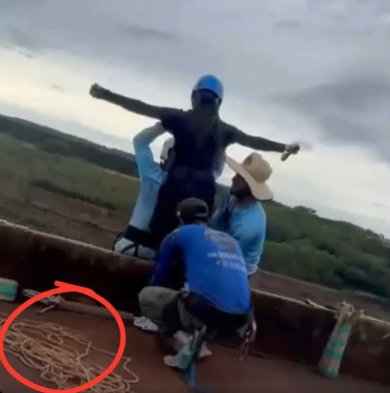
Every unanswered question adds another layer of pain. They must hear reports about missed checks, unclear responsibility, a missing action camera, and a bridge that authorities are now trying to close or possibly demolish. But none of those updates can change the fact that Maria should still be alive.
She was only 21 years old.
She had a future, dreams, and people who loved her. She went to Skeleton Bridge for an adventure, expecting the fear and excitement that come with an extreme experience. She should have returned home with a story, a video, and a memory.
Instead, her name is now part of a criminal investigation.
The missing GoPro-style camera is another key issue. Reports say Maria may have been wearing or carrying an action camera during the jump. Police are searching for it because it could contain footage from her point of view before the launch. That footage may help determine who handled the equipment, what was visible before the release, whether warnings were heard, and what happened in the final seconds.
If recovered, the camera may become one of the most important pieces of evidence in the case.
But even without it, investigators are focusing on the conduct of the people who were responsible for Maria’s safety.
In professional adventure activities, safety is not just a promise made to customers. It is a duty. Every operator must know that one mistake can end a life. That is why procedures exist. That is why roles must be assigned. That is why final checks must be repeated, even when the team believes everything is ready.
The moment a team becomes casual, the danger grows.
The moment responsibility becomes unclear, the participant becomes vulnerable.
The moment a launch signal is given without confirmation, tragedy can happen in seconds.
Maria’s death has become a warning for the entire adventure tourism industry. It shows that excitement can never be placed above discipline. It shows that a beautiful location and a thrilling activity mean nothing if the safety culture behind them is weak.
The three men under investigation now face serious legal questions. Authorities must determine whether their actions, decisions, or failures contributed to Maria’s death. They must examine whether the safety process was followed, whether the equipment was handled correctly, whether anyone ignored warnings, and whether the operation should have been taking place at Skeleton Bridge at all.
Until those questions are answered, the case will continue to haunt the public.
Maria Eduarda Rodrigues de Freitas trusted the people around her with her life.
That trust should have been protected by training, responsibility, and care.
Instead, investigators say she was launched without the rope that should have saved her.
Now, Brazil is asking who failed her.
Her family deserves a clear answer.
And every person who ever signs up for an extreme activity deserves to know that responsibility will never be left to confusion.