The Cat Who Stayed When Everything Else Left
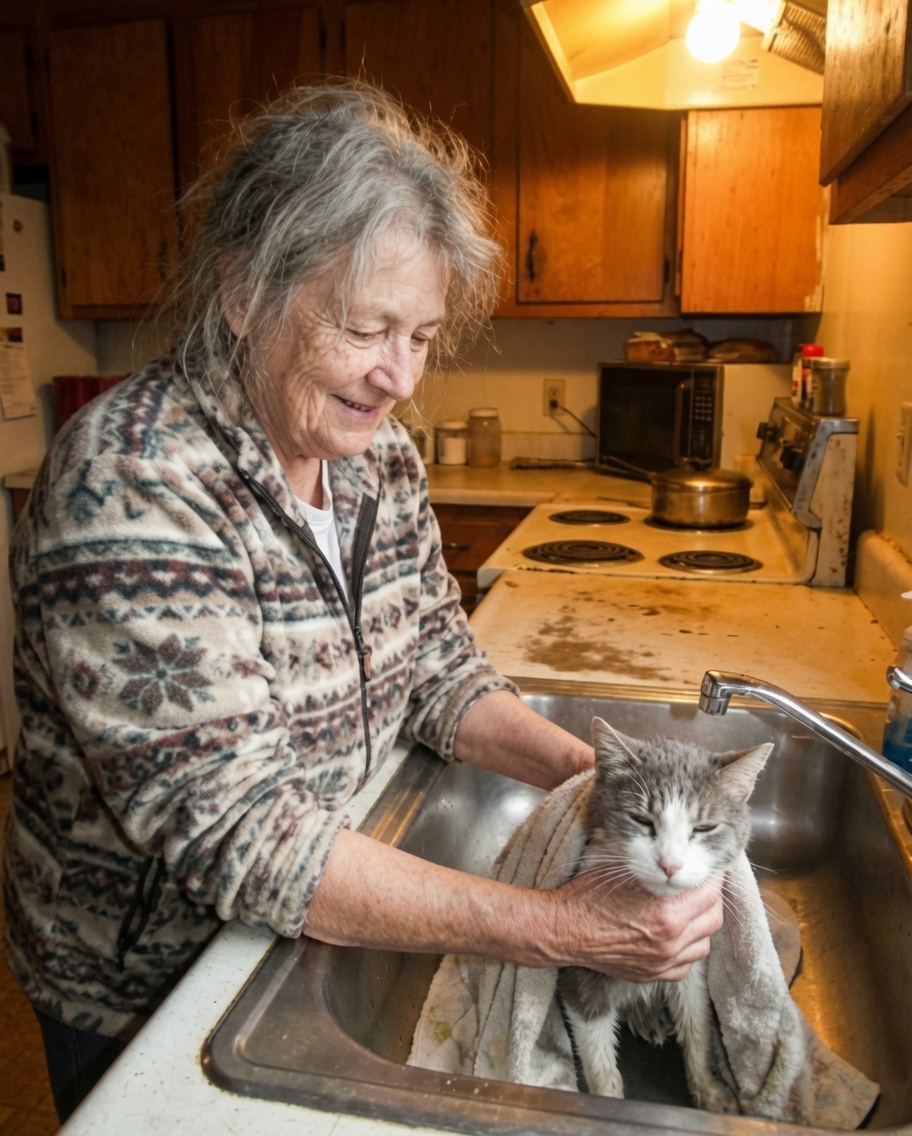
The Cat Who Stayed When Everything Else Left
Mrs. Ruth Ellison had been a widow for six years. The house on Maple Street was too quiet now. Her husband’s chair still sat by the window, and sometimes she caught herself setting two plates at the dinner table before remembering.
The only thing that kept the silence from swallowing her whole was Oliver.
He was a big orange tabby, almost seventeen years old. He had been with them since he was a tiny kitten who liked to sleep inside her husband’s work boots. After her husband passed, Oliver became Ruth’s shadow. He followed her from room to room. At night he would climb onto her chest while she sat in the old recliner and stay there for hours, purring so loudly it almost drowned out the sound of her own thoughts.
When Oliver started having trouble breathing at night, the vet said it was likely age and a touch of asthma. The only thing that seemed to help was keeping him slightly upright with warm air around him.
So Ruth began a new routine.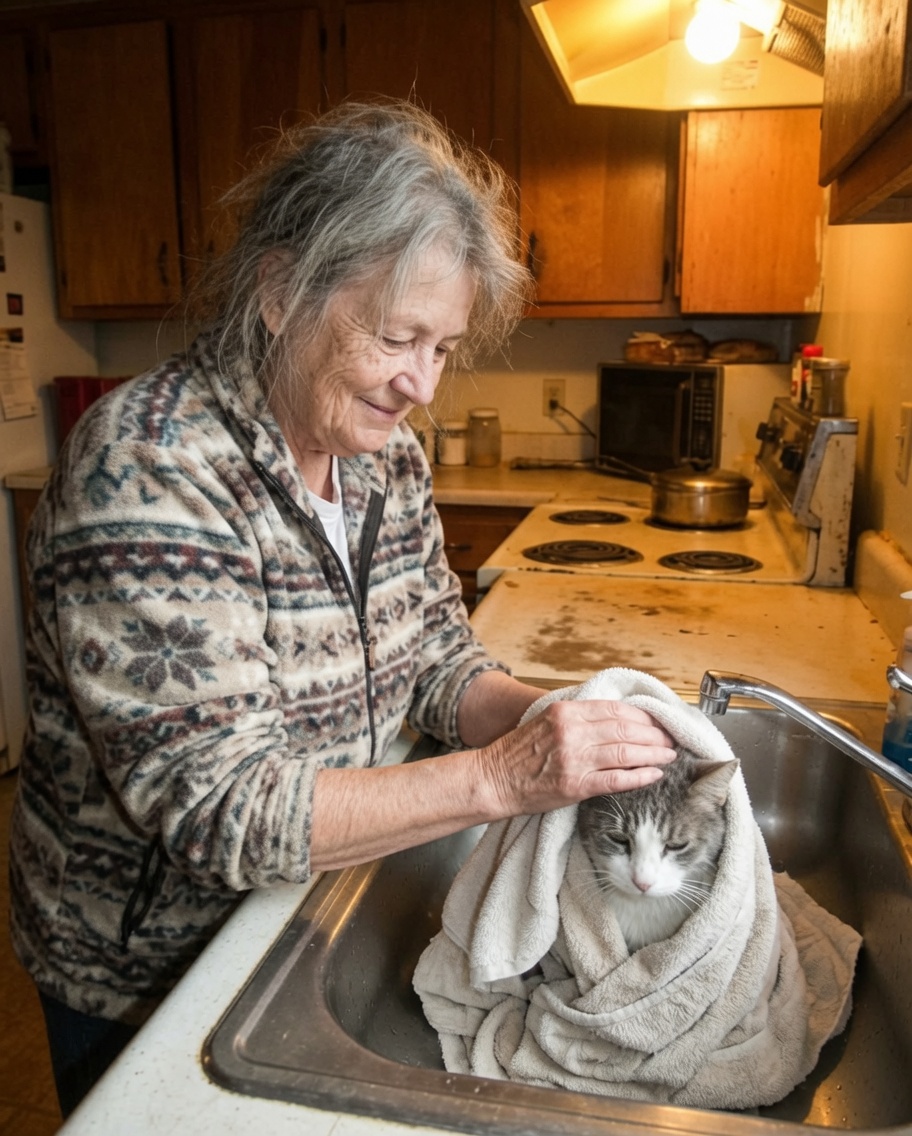
Every evening after dinner, she would sit in the recliner with Oliver on her chest. She would cover them both with a soft blanket and stay perfectly still for three, sometimes four hours until he finally relaxed into deep sleep. Her back ached. Her shoulders burned. Her arms would go numb. But whenever she tried to move him to his own bed, he would wake up wheezing and look at her with confused, frightened eyes.
She told herself it was only for a little while. She told herself she was strong enough.
Her son, David, lived two towns over and called every Sunday. Ruth always answered cheerfully. She never mentioned the hours she spent frozen in the recliner or the way her hands sometimes shook from holding the same position too long.
One Thursday evening David showed up without calling. He used his key and found his mother sitting in the dark living room, Oliver asleep on her chest, her face tight with pain.
“Mom,” he said quietly, “how long have you been doing this?”
Ruth tried to smile. “He sleeps better this way. It’s not so bad.”
David sat down across from her. For a long time he didn’t speak. Then he said the words that cracked something open inside her.
“You’re not just taking care of him anymore. You’re afraid that if you stop, the house will be empty again.”
Ruth looked down at Oliver’s sleeping face and felt tears she had been holding back for years finally fall.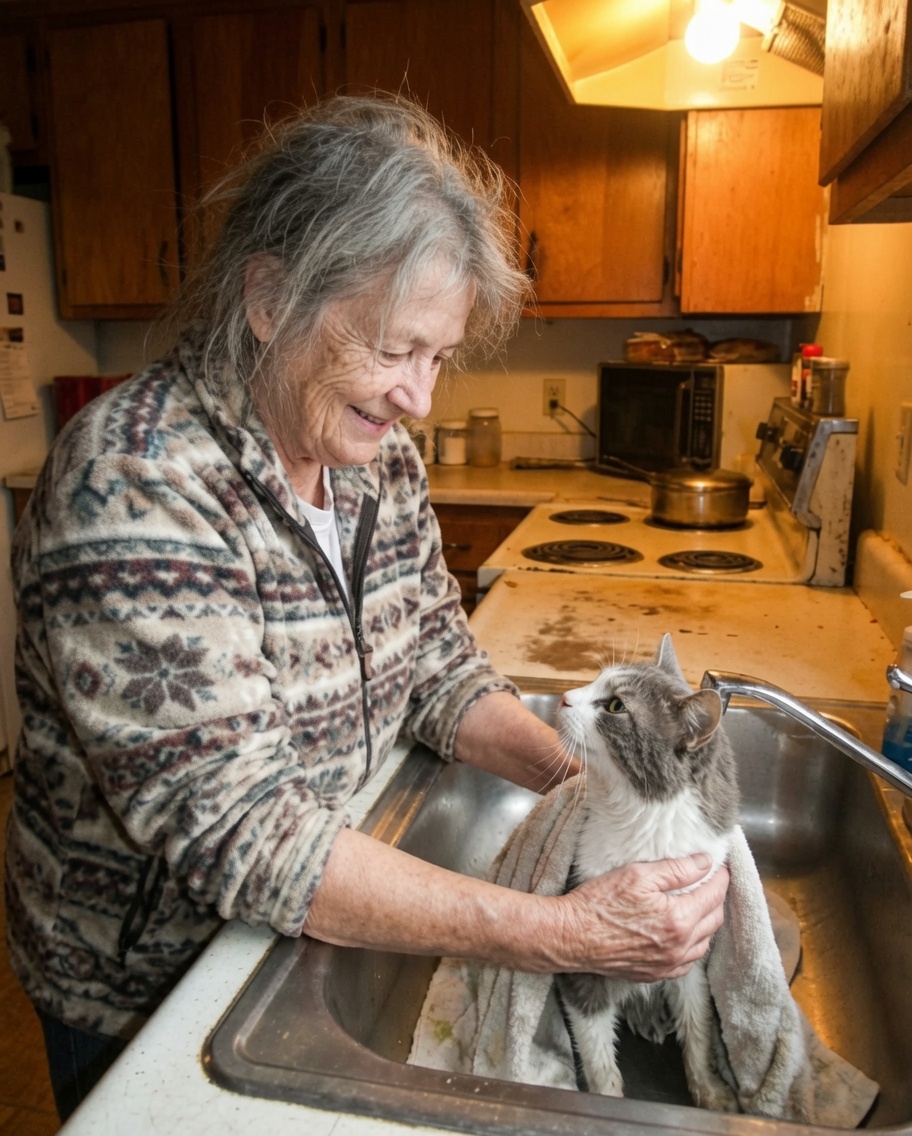
Oliver lived another seven months.
On a warm spring afternoon, he passed away in a patch of sunlight on the living room rug while Ruth sat beside him, stroking his head. He didn’t struggle. He simply closed his eyes and let go.
The first few weeks after he was gone were the hardest. Ruth would wake up in the middle of the night reaching for him. The recliner felt too big. The silence returned, louder than before.
Her son suggested she visit the local animal shelter, just to look. Ruth said no at first. She couldn’t imagine loving another cat. It would feel like replacing Oliver.
But one rainy afternoon she went anyway.
In the senior cat room, she met a small gray cat named Walter. He was twelve years old, missing one ear tip from an old fight, and had the calmest eyes she had ever seen. When Ruth reached out to pet him, he leaned into her hand and closed his eyes, as if he had been waiting for her.
She took him home on a foster-to-adopt basis.
Walter was nothing like Oliver. He didn’t demand to sleep on her chest. He preferred the soft bed she placed beside the recliner. Some nights he would jump up for a little while, then quietly return to his own spot when he was ready. He never made her feel guilty for moving.
At first Ruth felt guilty anyway.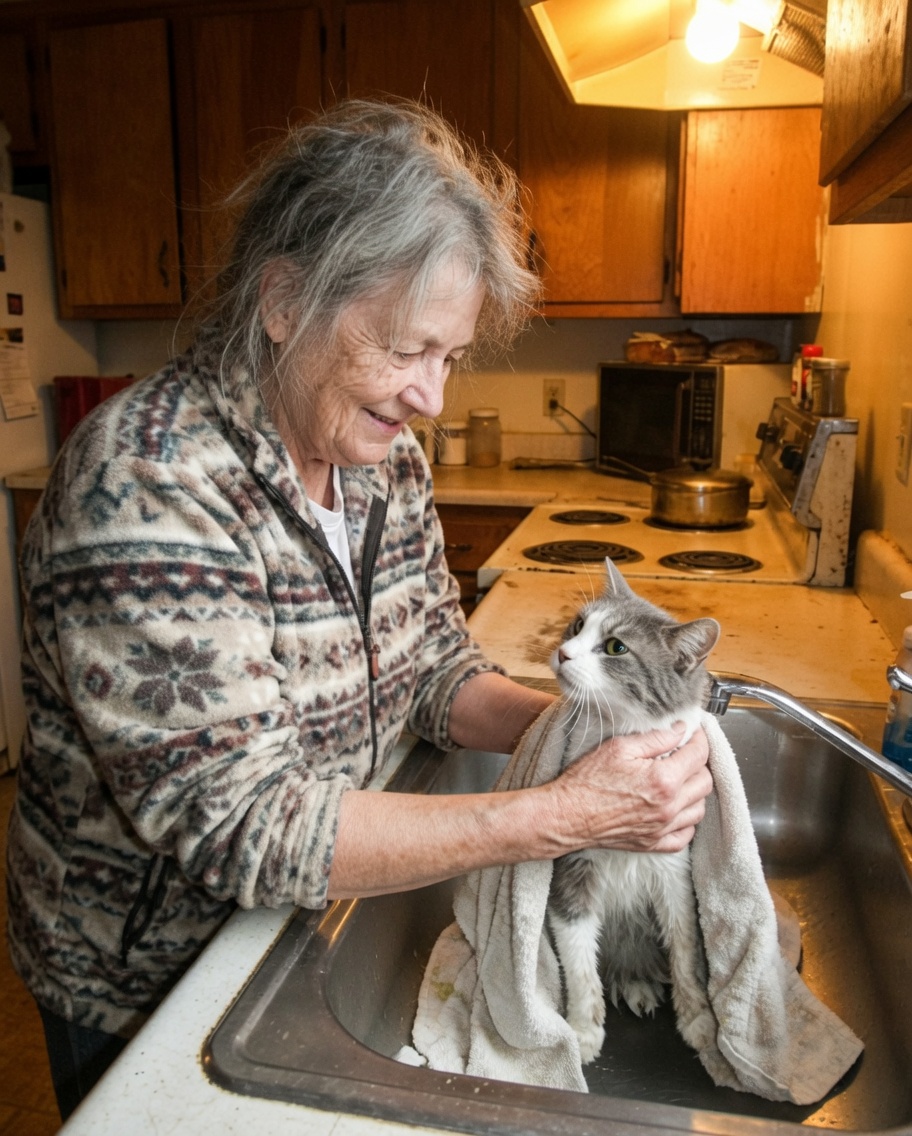
Then one evening she realized something.
She was sitting in the recliner with a book. Walter was curled in his bed next to her, one paw stretched out so it just barely touched her ankle. For the first time in years, Ruth’s back didn’t hurt. Her shoulders weren’t numb. And she didn’t feel alone.
She reached down and gently scratched behind Walter’s good ear.
“Thank you,” she whispered.
She wasn’t sure if she was talking to Walter or to Oliver.
Maybe both.
A few months later, Ruth stood in front of a small crowd at the shelter’s annual fundraiser. Her hands shook slightly as she spoke.
“I thought I was being strong by never asking for help,” she said. “I thought love meant never letting go, even when it was hurting both of us. But real love… sometimes it looks like knowing when to loosen your grip. It looks like letting someone sleep in their own bed. It looks like opening your door again, even when your heart is still sore.”
She paused and smiled.
“Oliver taught me how to stay. Walter is teaching me how to keep living.”
When she finished, the room was quiet for a moment. Then someone began to clap, and soon the whole room joined in.
That night, Ruth went home to a house that was no longer silent.
Walter was waiting by the door. He followed her into the living room, jumped into his bed, and stretched one paw out until it rested against her ankle.
Ruth sat in the recliner, picked up her book, and for the first time in a very long time, she didn’t feel like she was just waiting for the day to end.
She was simply living.
And that, she was learning, was enough.