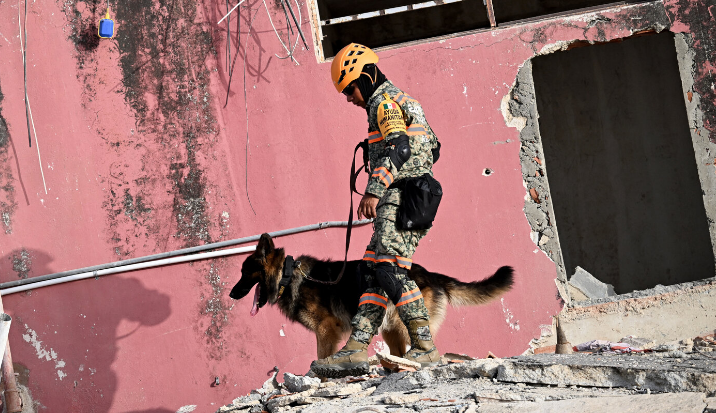
More than 20 countries have sent rescue teams and sniffer dogs to Venezuela.
More Than 20 Countries Send Rescue Teams and Search Dogs to Aid Venezuela
Venezuela — June 2026
More than 20 countries have deployed search-and-rescue teams and specially trained sniffer dogs to Venezuela following the devastating earthquakes, as the international response continues to grow amid widespread destruction and a rising death toll.
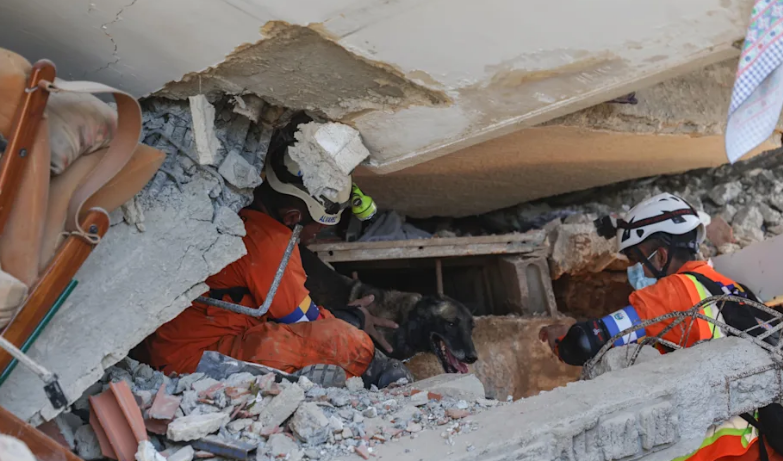
The international teams have joined Venezuelan emergency responders in an around-the-clock effort to locate survivors trapped beneath collapsed buildings. Equipped with specialized rescue equipment, detection technology, and highly trained search dogs, the teams are working in some of the hardest-hit areas where the chances of finding survivors are rapidly diminishing.
Rescue dogs have played a critical role in the operation, helping crews detect signs of life beneath mountains of concrete and twisted metal. Once a possible survivor is identified, rescuers carefully remove debris by hand and with heavy machinery to avoid causing further collapses.
In addition to search-and-rescue personnel, many countries have also sent medical teams, field hospitals, humanitarian aid, and emergency supplies, including food, clean water, tents, and essential medicines for thousands of displaced residents.
Authorities say international assistance has significantly strengthened ongoing operations, allowing multiple disaster sites to be searched simultaneously despite difficult conditions, including damaged infrastructure, blocked roads, and continuing aftershocks.
Emergency officials continue to urge residents to stay away from unstable buildings and follow safety instructions as engineers assess structures weakened by the earthquakes.
While rescue operations remain the top priority, humanitarian organizations are also focusing on providing shelter, medical care, and psychological support to survivors who have lost family members, homes, and livelihoods.
As Venezuela faces one of the most devastating natural disasters in its recent history, the arrival of rescue teams and search dogs from more than 20 countries has become a powerful symbol of international solidarity and hope for families still awaiting news of missing loved ones.