Archaeologists Uncover Ancient Ruins That May Be Linked to the Ark of the Covenant
Archaeologists Uncover Ancient Ruins That May Be Linked to the Ark of the Covenant
Middle East — June 2026
Archaeologists have uncovered the remains of an ancient structure that some researchers believe could have a historical connection to the biblical Ark of the Covenant, though experts caution that no direct evidence has been found to support such a claim.
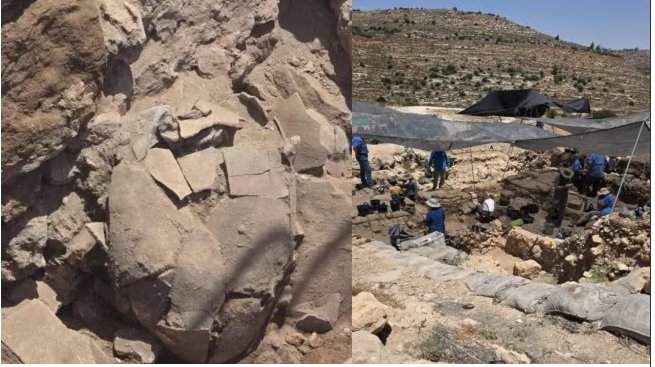
The excavation, carried out at a centuries-old archaeological site, revealed stone walls, ceremonial chambers, and a collection of artifacts believed to date back thousands of years. Researchers say the site’s layout and religious features have prompted comparisons to descriptions found in ancient biblical texts.
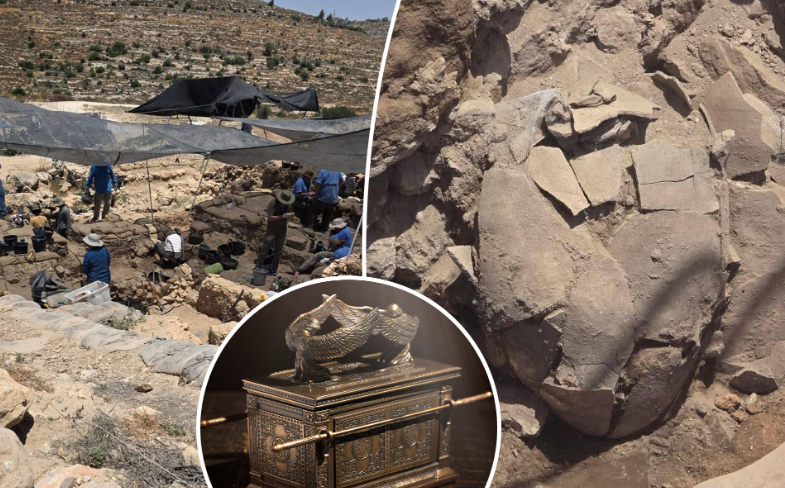
According to members of the excavation team, the discovery offers valuable insight into the religious practices and architecture of the region during the biblical era. However, they stressed that any connection to the Ark of the Covenant remains speculative.
“There is currently no archaeological evidence proving that the Ark was ever housed at this location,” one researcher said. “Our findings are significant, but much more analysis is needed before drawing historical conclusions.”
The Ark of the Covenant, described in the Hebrew Bible as a gold-covered chest containing the stone tablets of the Ten Commandments, has long been one of history’s greatest religious mysteries. Its fate after the destruction of the First Temple in Jerusalem remains unknown, giving rise to centuries of theories, legends, and archaeological speculation.
Independent experts have urged caution, noting that many ancient sites have previously been linked to the Ark without conclusive proof. They emphasize that extraordinary claims require strong archaeological evidence, such as inscriptions, securely dated artifacts, or other verifiable findings.
Researchers plan to continue excavating the site and conducting laboratory analyses of the newly discovered artifacts in hopes of learning more about the structure’s original purpose and the people who once occupied it.
While the discovery has generated widespread public interest, archaeologists say it should be viewed as an important historical find rather than confirmation of the Ark’s whereabouts. Further research and peer-reviewed analysis will be needed before any broader historical conclusions can be reached.