Dark Truth Behind Your Skincare: From Slaughtered Donkeys to Electrocuted Snails and Placenta
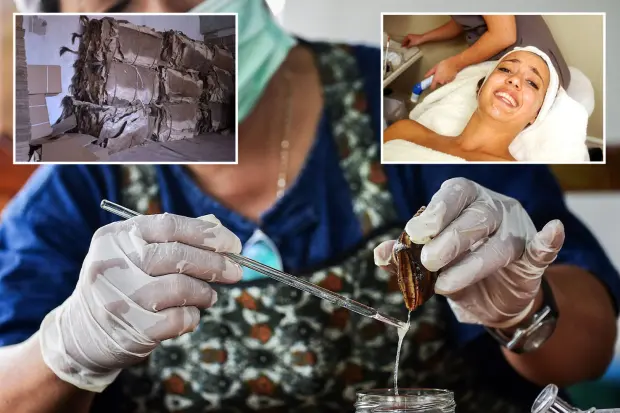
When you gently apply your morning face cream, the last thing on your mind is probably the mass slaughter of millions of donkeys, the shocking treatment of snails, or controversial ingredients like placenta. Yet, these are the hidden realities behind many popular skincare products.
The Donkey Slaughter Crisis
One of the most disturbing aspects involves donkeys. According to reports, millions of donkeys — estimates suggest around 5.9 to 6 million annually — are slaughtered each year, largely to meet demand for ejiao (donkey-hide gelatin), a traditional Chinese remedy prized for its supposed anti-aging, beauty-enhancing, and health benefits.
Donkey skins are boiled to extract gelatin, which is then turned into powders, pills, creams, or added to foods and skincare products. This trade has devastated donkey populations, particularly in Africa, where working donkeys are a vital lifeline for many communities. Animal welfare groups have called it one of the greatest atrocities affecting these animals today.
Snail Mucin: The “Gentle” Extraction?
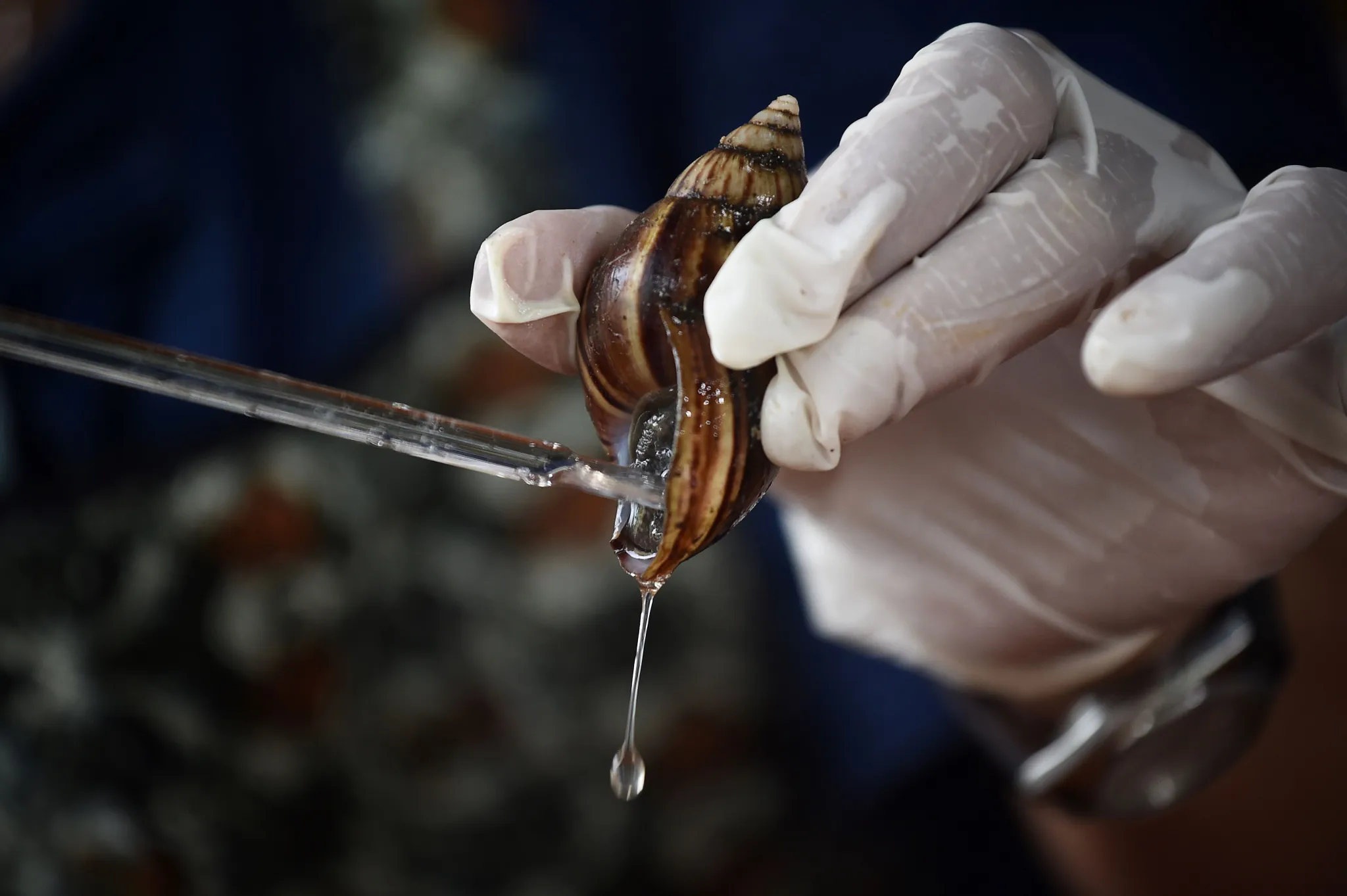
Snail mucus (or mucin) has become a major trend in K-beauty and global skincare for its claimed ability to moisturize, repair skin, reduce scars, and fight aging. However, the extraction process raises ethical questions.
Some methods involve “tickling” snails or using gentle stimulation to collect slime. Others have been criticized for using electricity on mesh or wire setups to encourage secretion — a process some describe as stressful or harmful to the snails, even if they aren’t killed outright. Farms may starve and clean snails before extraction, adding to welfare concerns.
While many modern producers claim humane, non-lethal methods, animal rights advocates question whether the scale of production can truly avoid suffering.
Placenta and Other Exotic Ingredients
Placenta (often from sheep, horses, or other sources) is another ingredient marketed for its regenerative properties in high-end creams and serums. While less detailed in recent coverage, it fits into the broader pattern of using animal-derived materials in beauty products.
What Can Consumers Do?
- Look for cruelty-free and vegan certifications — Brands that avoid animal ingredients altogether.
- Research ingredients — Opt for plant-based alternatives to donkey milk, snail mucin, or placenta.
- Support ethical brands — Many K-beauty and Western lines now offer synthetic or plant-derived versions of popular actives.
The beauty industry often sells “natural” and “luxurious” images, but behind the glowing skin claims can lie significant animal welfare costs. Being an informed consumer helps drive demand toward more ethical practices.
Source: https://www.thesun.co.uk/news/39467966/donkeys-slaughtered-face-cream-skincare-snails-placenta/