The DoorDash Paradox: How an Ohio Captor Weaponized the Gig Economy to Torture His Families
The DoorDash Paradox: How an Ohio Captor Weaponized the Gig Economy to Torture His Families
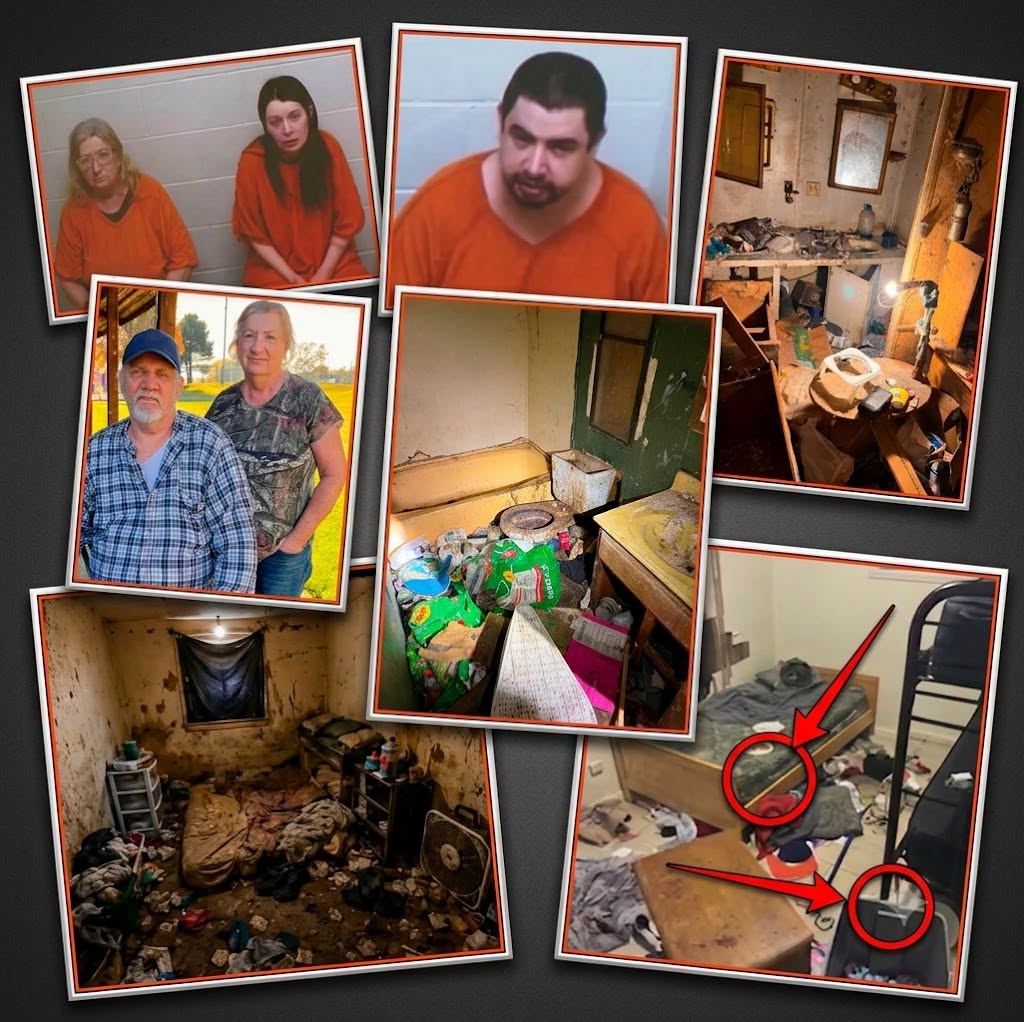
The horrific details emerging from the rural Ohio community of Hamden have left true crime investigators, psychologists, and the public grappling with a terrifying question. How could a father spend his days delivering warm, fresh meals to complete strangers while keeping his own sixteen emaciated children trapped inside a dark, twelve-by-twelve-foot room, slowly starving them to death? As the digital space digs deeper into what is now known as the Hamden House of Horrors, a chilling financial and material paradox has come to light, revealing a calculated system of psychological cruelty and control that relied entirely on the weaponization of food.

Internet investigators analyzing the family’s setup discovered an alarming anomaly in the household’s waste and financial records. The father managed to support an eighteen-person household on a volatile, rural gig-economy salary, yet authorities found zero traces of normal grocery packaging or household food waste on the property. This absence of routine trash has led experts to believe the father used his food delivery profession not just for meager income, but as a direct tool of psychological torment. Instead of providing proper sustenance, he reportedly brought home canceled orders, altered leftovers, and restaurant scraps, using them to dictate survival on a whim.

By controlling exactly when, how, and if his children ate, the captor engineered an environment where basic human nutrition became a privilege rather than a right. The children were subjected to the ultimate form of emotional abuse: knowing their father was surrounded by abundance while they suffered in absolute deprivation. This systemic starvation was designed to break their will to resist, ensuring total compliance within the pitch-black room. As legal proceedings against the Ohio father move forward, the case stands as a grim reminder of how everyday modern services can be twisted into instruments of unimaginable domestic terror.