Divorced, Destitute and “Dead Inside”: Ex-Tradwives Over 35 Expose the Harsh Reality Behind the Viral Tradwife Dream – “I Grieve Intensely for My 17-Year-Old Self”
Divorced, Destitute and “Dead Inside”: Ex-Tradwives Over 35 Expose the Harsh Reality Behind the Viral Tradwife Dream – “I Grieve Intensely for My 17-Year-Old Self”
The tradwife lifestyle has exploded across TikTok and Instagram as a dreamy escape – young women in flowing dresses, baking from scratch, raising children while submitting joyfully to their husbands in a romanticized 1950s vision of domestic bliss. But for women who lived it and are now over 35, the carefully curated videos hide a much darker truth: financial ruin, erased identities, emotional exhaustion, and a terrifying struggle to rebuild after divorce.
Three courageous ex-tradwives are speaking out in a powerful wave of confessions, warning that the “easy” path of early marriage and full-time homemaking often leaves women vulnerable, dependent, and devastated when the marriage ends – or when they finally realize they’ve lost themselves along the way.
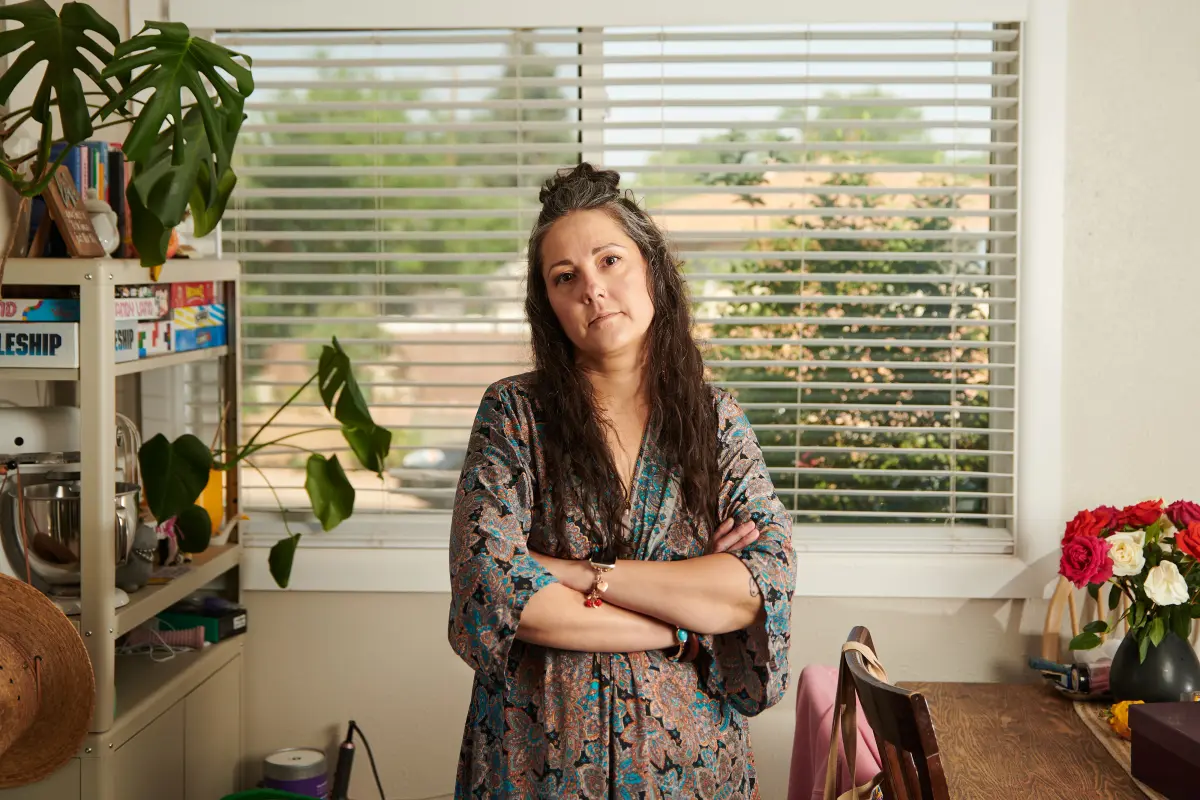
Enitza Templeton, 43, married at 26 and abandoned her dreams of an art career to become an ultra-submissive homemaker and mother of four. She grew produce, prepared elaborate meals, dressed provocatively for her husband, and embraced the role completely.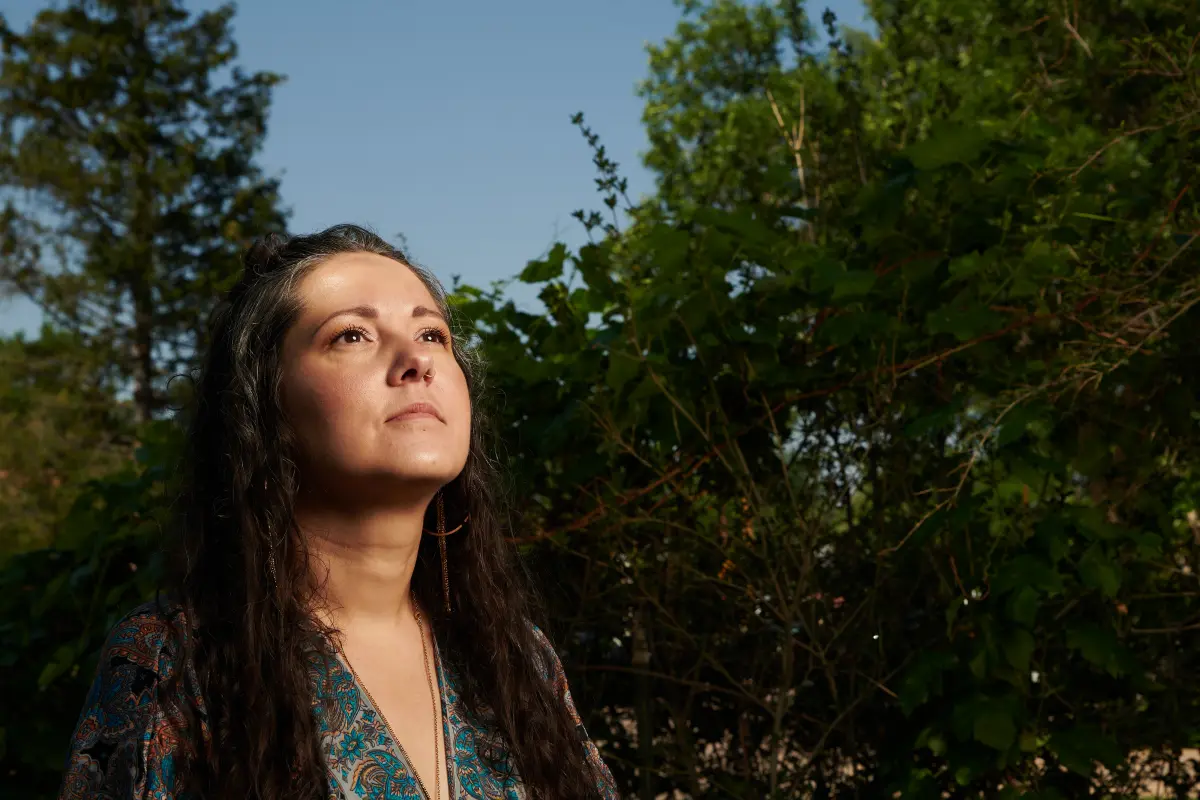
“At a certain age, I got to a point in the marriage where I was like, ‘Oh my god, is this really what I want to do with my life? What comes after this?’” she recalls.
By 36, she felt like a prisoner. She secretly trained as a certified nursing assistant while her husband was away, saving money for her escape. She divorced in 2019 and now works as a women’s advocate in Denver, Colorado, helping others break free.
“Of the tradwives who do stay in their marriages, she believes they have become ‘dead inside, and that’s why they’re not promoting the lifestyle like some of the young popular tradwives online,’” Templeton explains. “Older tradwives are keeping their heads down, gritting their teeth and waiting to die because that’s all there is left for them. That’s their only escape.”
Christine, 40, married at 17 after meeting at church camp. By 24 she had three kids and had given up her dreams of becoming a nurse or joining the Marines to support her husband’s business.
“I was taught to submit to my husband no matter what, and if there was infidelity in the marriage, it was probably because of something I’d done wrong,” she says. “He became my identity. I was solely an extension of him.”
After years of total obedience – including being sexually available on demand and handling every household duty while battling Lyme disease – she finally resisted. The marriage ended in January 2024. Today, she works in a hotel and is learning independence for the first time.
“It took a long time to learn how to be independent, to not feel like I needed him to support me, all while healing… It was excruciating,” she admits.
Sansa, 36, married right out of high school at 18 and lost her college scholarship. Divorced by 25, she spent years responsible for the house, children, modest public appearance, and “sexy” home attire.
“I felt like I had swallowed so much of myself. I couldn’t even hear my own voice in my head anymore and I panicked,” she shares.
Now a nurse raising her teenage children, Sansa is determined to model healthy autonomy.
“I’m not saying traditional marriages always go bad, but the consequences of things going bad are severe,” she warns. “Your partner should want you to be autonomous. Your partner should want you to reach your highest potential above all else… It is absolutely possible for husbands and wives to take on traditional roles if they’re both doing so in good faith.”
Their stories are part of a larger online confessional trend. One video asking why older tradwives are rarely seen online drew thousands of heartbreaking replies from women in their 30s and 40s:
“Married at 20, divorced at 38. Raising 7 kids. No job history, no college, no experience.”
“Married off at 17, divorced 10 years later. I’m now 37 and every day is a poverty-stricken struggle… I grieve intensely for my 17-year-old self. I always thought I would be someone and it’s devastating.”
The common threads are devastating: women who married young and fully embraced the tradwife role often sacrifice education, career skills, and personal savings. When the marriage dissolves – whether due to abuse, infidelity, burnout, or simply waking up to their lost dreams – they face destitution, legal battles, and the terrifying task of entering the workforce with gaps spanning decades.
Many describe becoming “extensions” of their husbands, with no independent identity, leading to profound mental health struggles and a sense of being “dead inside.”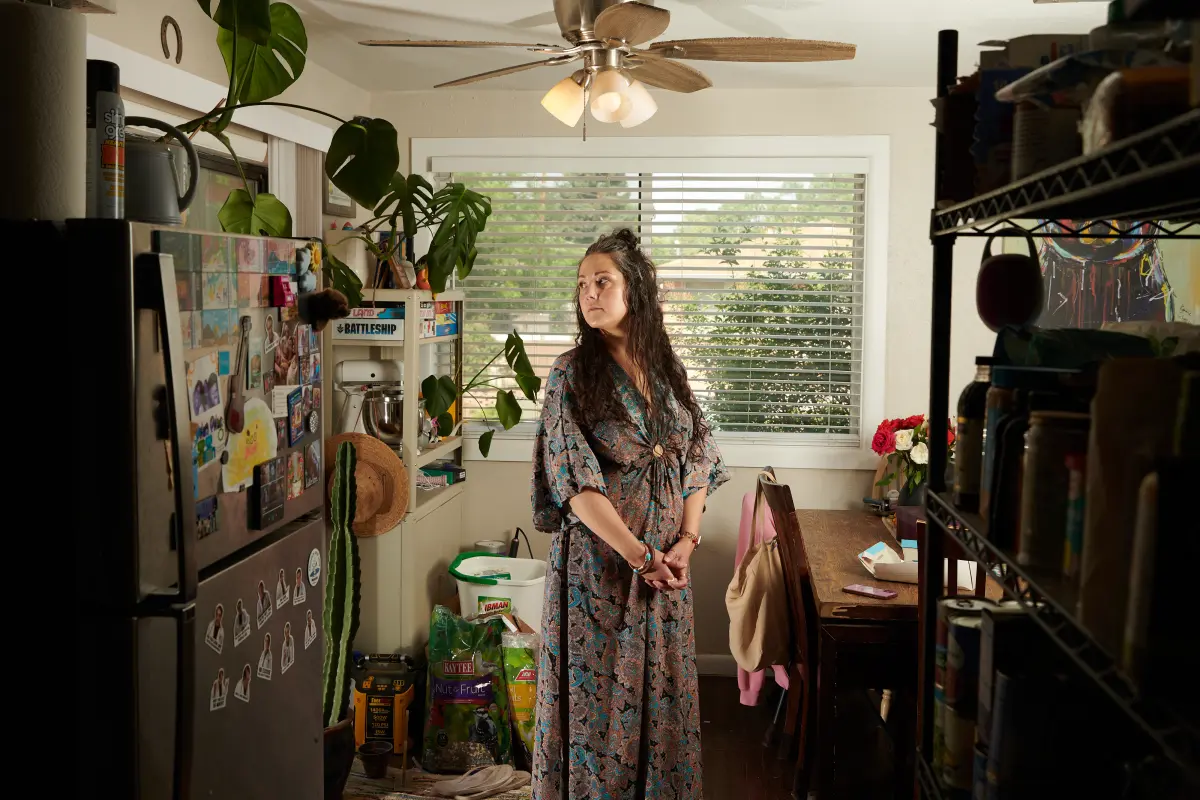
Yet, the women who have escaped also share stories of empowerment. Templeton calls her new life “crazy empowering” despite the fear of learning basic adult responsibilities for the first time. Christine and Sansa emphasize healing, modeling autonomy for their children, and advocating for partnerships built on mutual support rather than one-sided submission.
The viral tradwife aesthetic – filtered photos of perfect kitchens, submissive smiles, and romantic homemaking – rarely shows the isolation, financial vulnerability, or the brutal reality when the fairy tale ends. These ex-tradwives are pulling back the curtain, urging young women to think twice before fully surrendering their futures.
“Even if traditional roles appeal to you, keep some independence,” they collectively advise. “Have a backup plan. Don’t let anyone convince you that losing yourself is the price of love.”
In an era where tradwife content racks up millions of views promising fulfillment through submission, these raw testimonies serve as a powerful counter-narrative: the dream can become a trap, especially when you pass 35 and realize the cost was your own identity.
Parents, young women dreaming of this life, and anyone romanticizing extreme gender roles – take note. The polished videos don’t show the women quietly grieving in silence… or the courageous ones fighting their way back to freedom.
What do you think about the tradwife trend after hearing these stories? Share your thoughts – and tag a young woman who might need to hear this.