The Master Sculptor Who Revolutionized Dark-Skin Prosthetics Out of Love for His Injured Brother
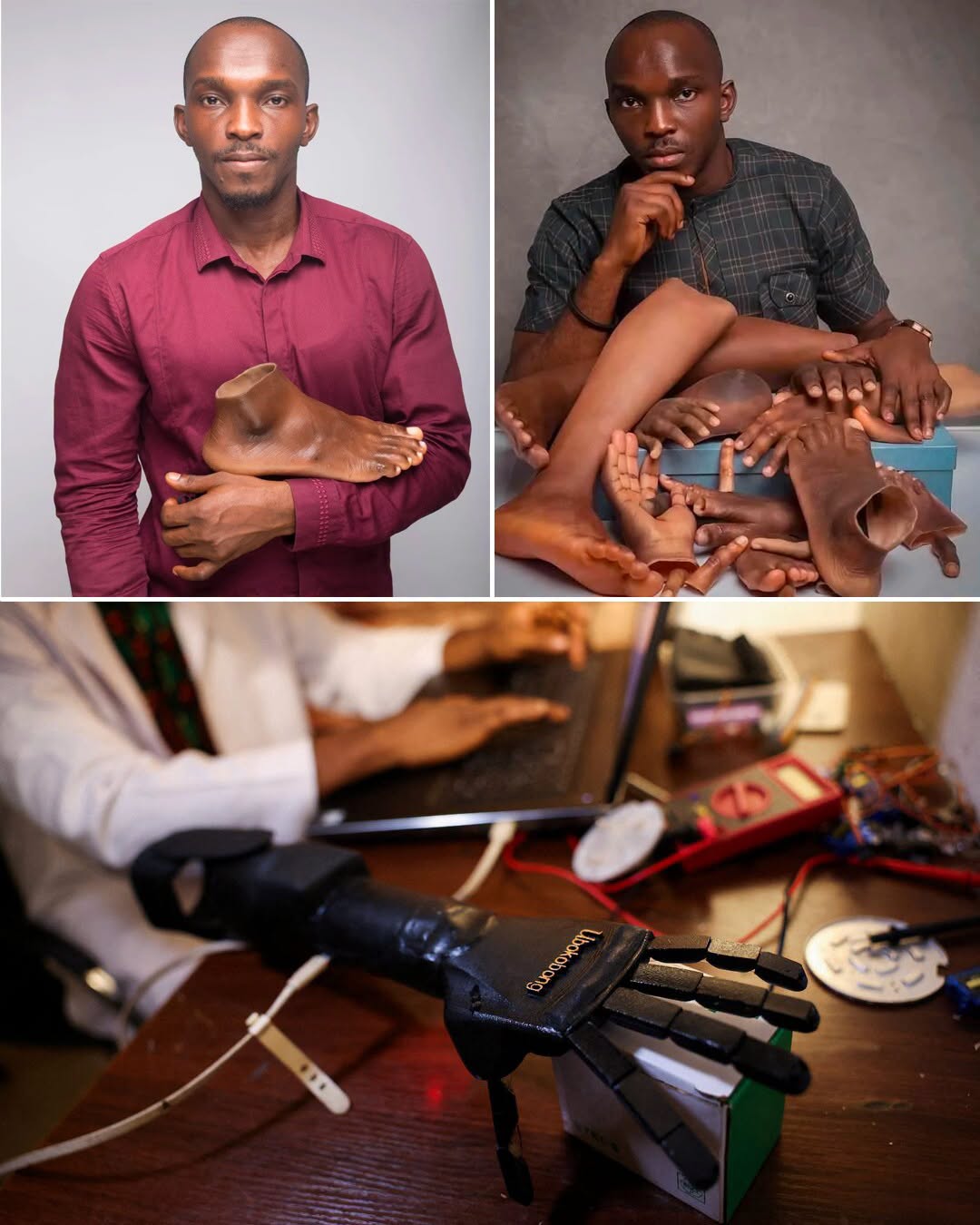
The Master Sculptor Who Revolutionized Dark-Skin Prosthetics Out of Love for His Injured Brother
In 2018, a tragic accident altered the life of Ubokobong Amanam, resulting in the loss of several of his fingers. In an effort to restore his confidence and daily function, his family looked abroad, ordering a customized prosthetic hand from an international manufacturer. However, when the package finally arrived, the excitement turned into profound disappointment. The medical device looked completely out of place; it was designed exclusively for lighter skin tones, bearing absolutely no resemblance to Ubokobong, who is a Black man.
Witnessing his brother’s disappointment, John Amanam refused to accept a reality where people of color had to settle for medical devices that ignored their identity. John was neither a medical doctor nor a trained prosthetist; he was a fine arts sculptor. Guided by a desire to help his brother feel whole again, John embarked on a rigorous, self-taught journey. For over a year, he dedicated himself to mastering silicone sculpting, precise mold-making, and complex skin pigmentation techniques, focusing entirely on replicating the intricate nuances of darker skin.
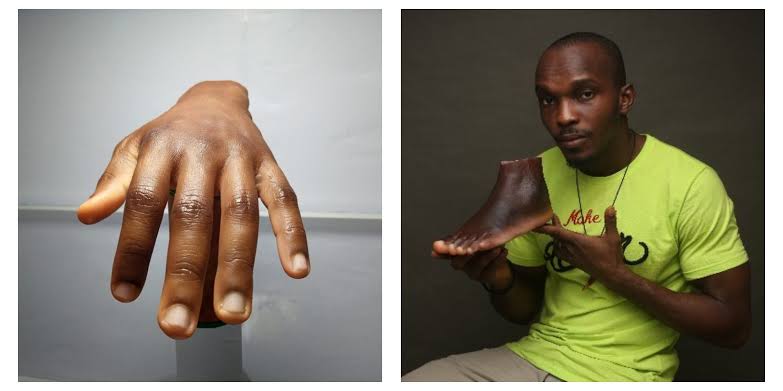
By 2019, John achieved a groundbreaking milestone, producing some of Africa’s very first hyper-realistic, dark-skin prosthetic fingers. The finished pieces were remarkable, capturing lifelike skin tones, visible veins, distinct fingerprints, and realistic fingernails. What began as an intimate act of family devotion quickly expanded into a global mission. Recognizing a massive gap in the medical industry, John founded Immortal Cosmetic Art. Today, his company has transformed the lives of more than 5,000 individuals across 60 countries by providing custom prosthetics that honor their natural appearance.
Beyond commercial success, John established a dedicated donation program to ensure these life-changing devices reach low-income individuals who cannot afford them. Looking toward the future, his team is currently developing advanced bionic prosthetic arms that merge this hyper-realistic aesthetic with modern technology capable of responding directly to a user’s muscle signals. John’s journey stands as a powerful testament to the fact that the most impactful human innovations do not always originate in corporate laboratories—often, they are born from love and a refusal to settle for a world that leaves people unseen.