BREAKING: “JUSTICE FOR LOUIS” CAMPAIGN SPARKS CONTROVERSY AS FAMILY SPEAKS OUT
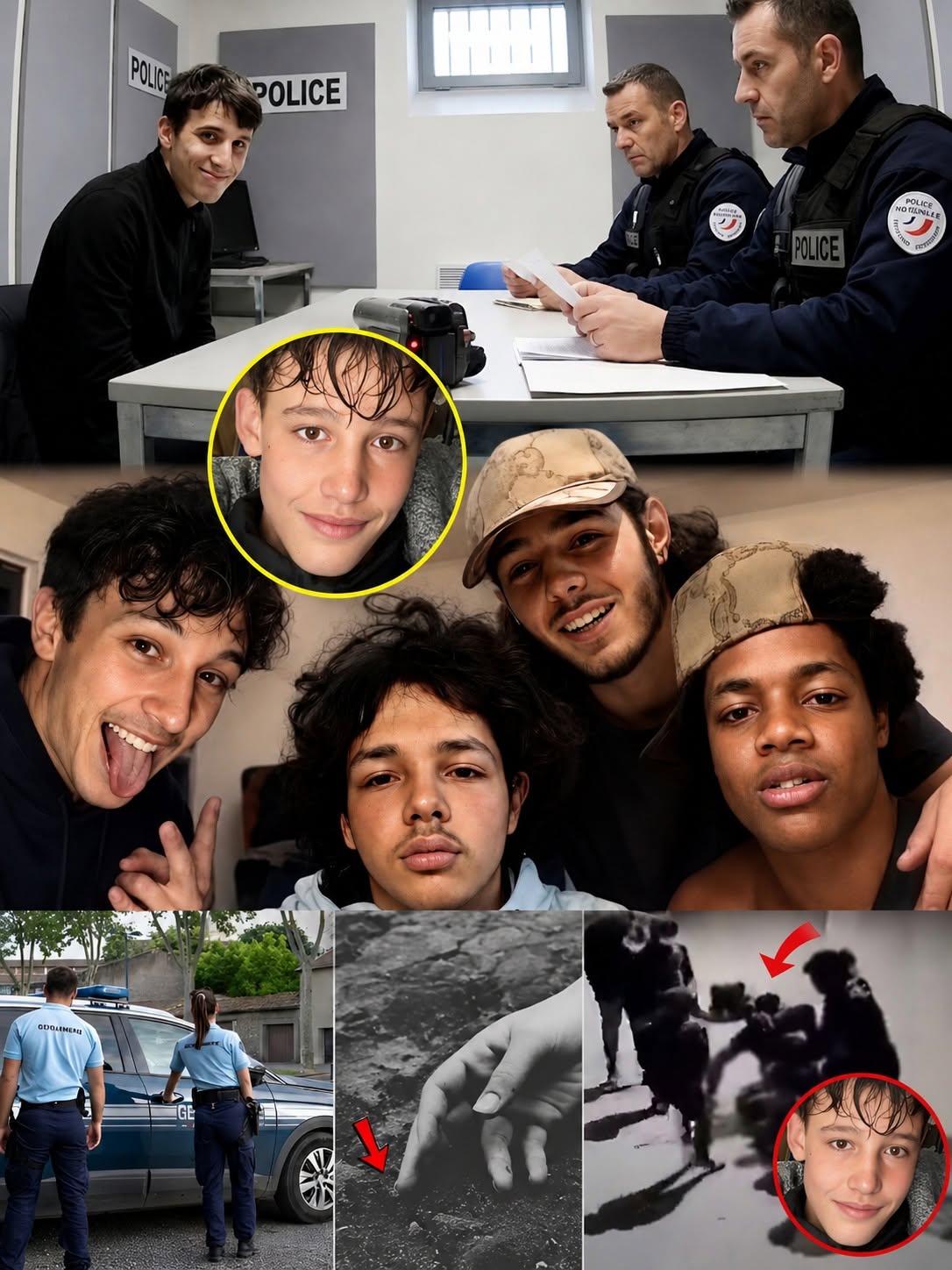
BREAKING: “JUSTICE FOR LOUIS” CAMPAIGN SPARKS CONTROVERSY AS FAMILY SPEAKS OUT
France — The movement demanding “Justice for Louis” has grown into a nationwide symbol of grief and anger following the death of 17-year-old Louis Hervé, but the campaign has also become the center of a new controversy as his family calls for his memory to be respected and not used for political purposes.
Louis Hervé died after a violent attack in Narbonne, southern France, in June. Investigators said the teenager was seriously assaulted in what they described as a planned attack before he later died from his injuries. Several suspects were placed under investigation as authorities continued examining the circumstances surrounding his death.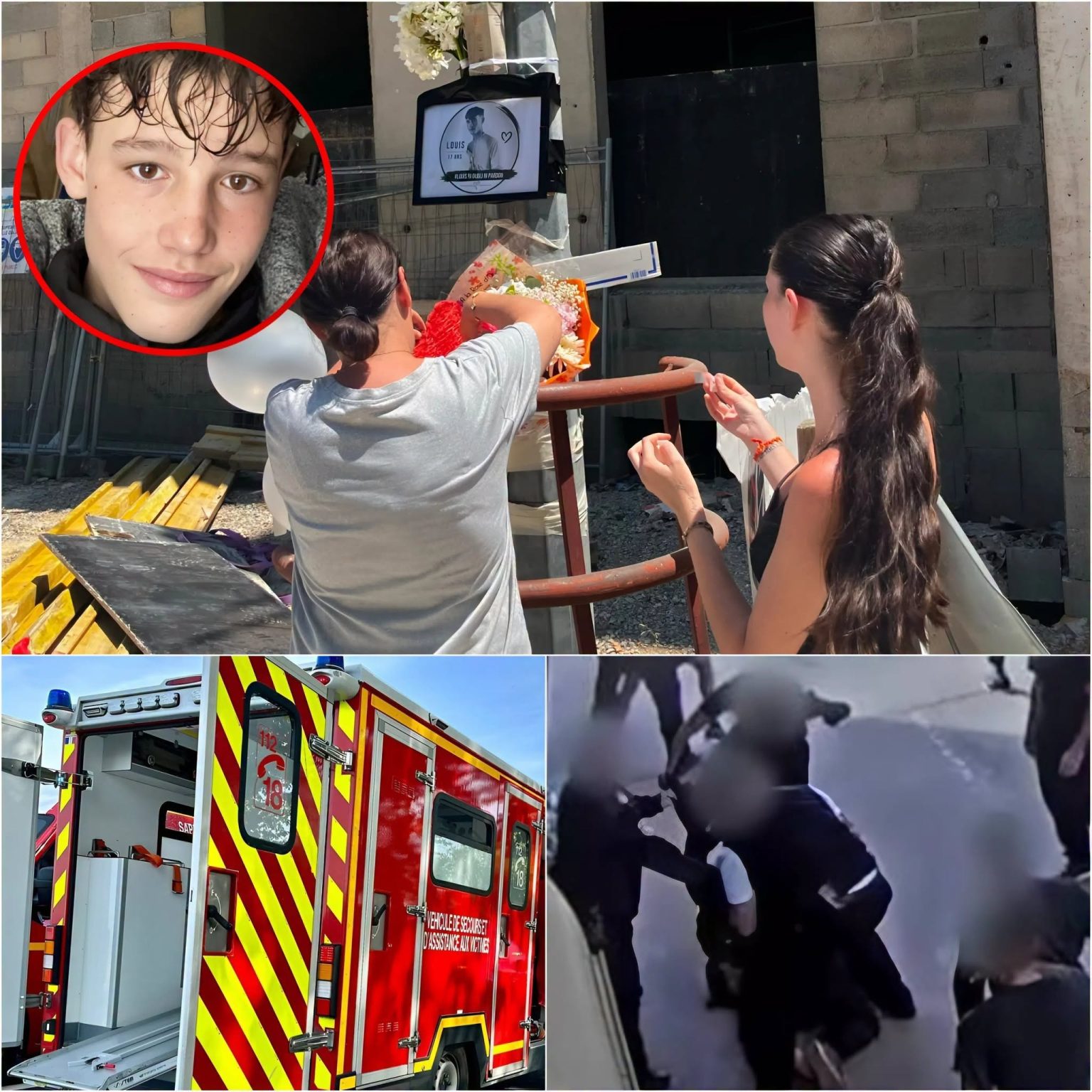
In the days following the tragedy, the words “Justice for Louis” spread rapidly across France. Thousands of people joined memorial gatherings, carrying signs, sharing messages of support, and demanding accountability for the loss of a young life. For many supporters, the movement represents a call for stronger protection of victims and a justice system they believe must respond more firmly to violent crimes.
But as the campaign gained momentum, Louis’ family expressed concern that his death could become a tool for political battles. Relatives said their priority was honoring Louis as a person — a son, a brother, and a teenager with dreams — rather than allowing his name to be used to divide people.
Louis’ parents have spoken publicly about the kind of person he was before the tragedy. His father described him as a kind and gentle young man who loved music, nature, and spending time with his family. “Justice for Louis,” they say, is not only about punishment — it is also about ensuring that their son is remembered for the life he lived, not only the violence that took him away.
During recent memorial marches, thousands gathered to pay tribute to Louis and demand answers. One event in Narbonne drew several thousand participants, while another gathering in Carcassonne brought hundreds together in a more personal tribute organized by his father.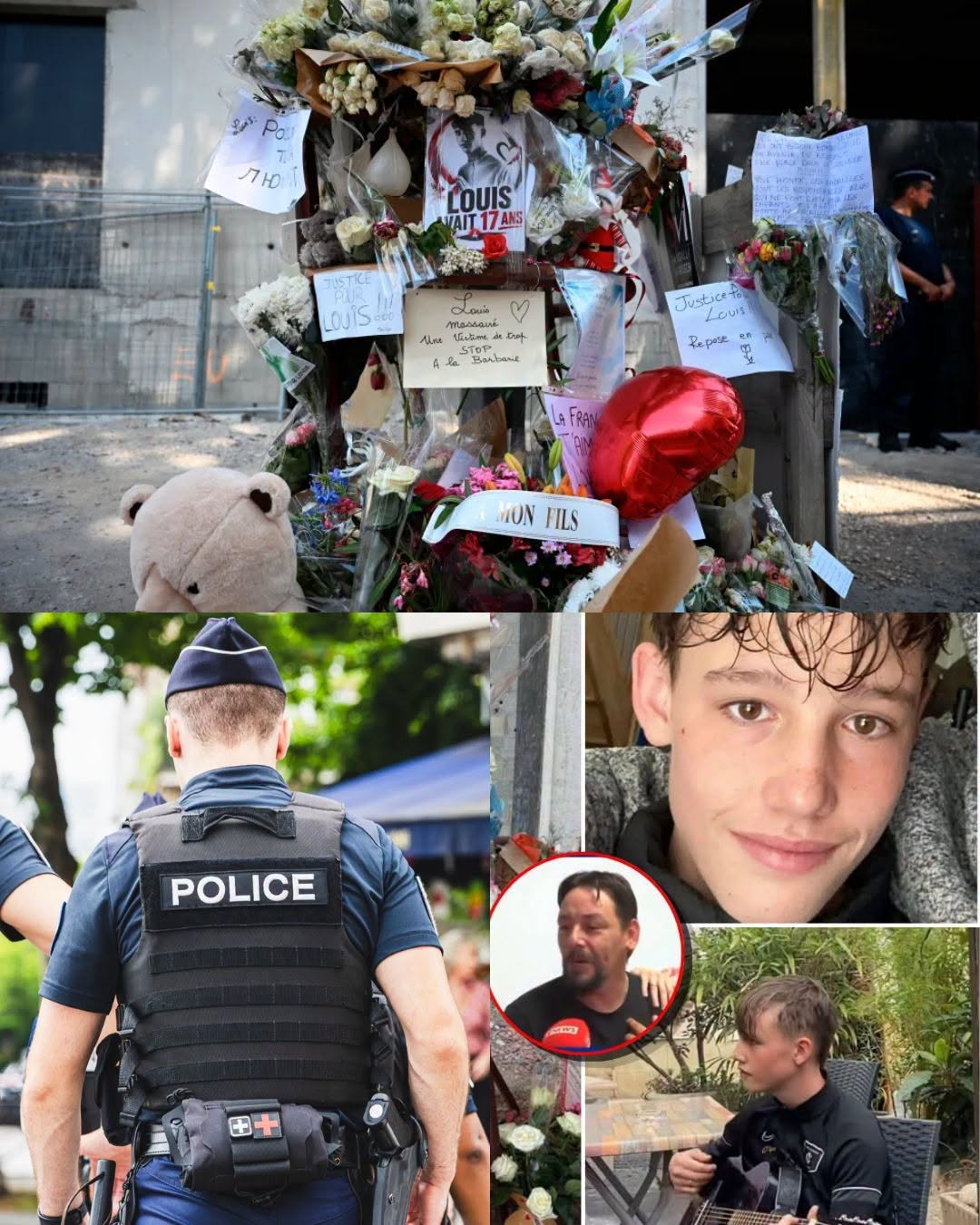
However, the growing public attention has created tension. Some political figures have joined demonstrations and used the tragedy to raise broader debates about crime, security, and the justice system. This has led to criticism from those who believe Louis’ death should remain focused on the grieving family rather than political messaging.
For Louis’ family, the message remains clear: they want justice, but they also want dignity. Behind the slogans and public debates is a family mourning a 17-year-old whose future was taken away too soon.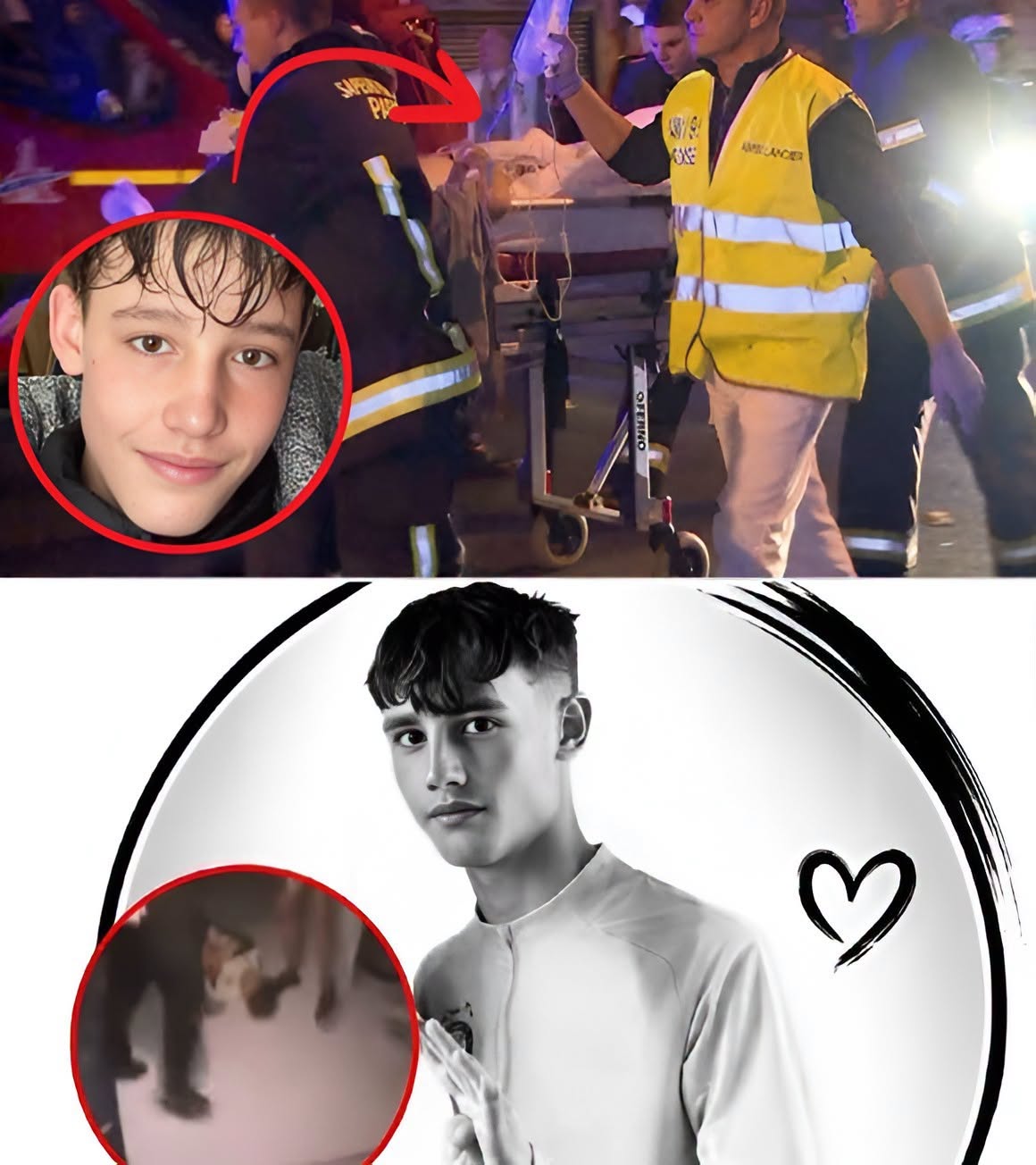
The name “Justice for Louis” has become more than a campaign. It has become a reminder of a young life lost, a family searching for answers, and a nation struggling with difficult questions about violence, responsibility, and how victims are remembered.
As the investigation continues, Louis’ family hopes one thing will not be forgotten: before he became a headline, Louis was a person who was loved.