The Woman Who Survived a Shotgun Blast and Became America’s First Face Transplant Recipient
The Woman Who Survived a Shotgun Blast and Became America’s First Face Transplant Recipient
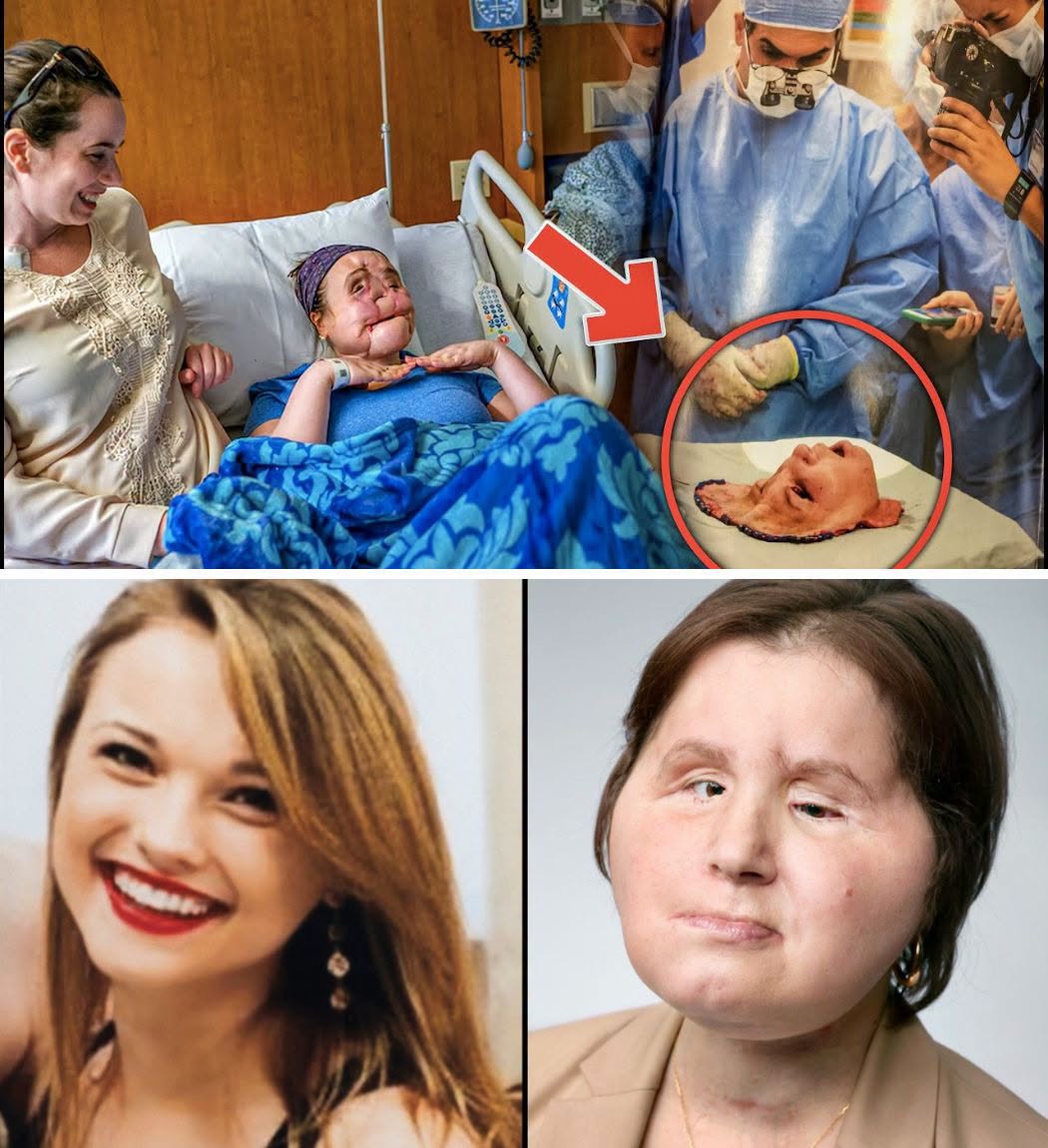
Our face is the mirror of our identity, the primary way we connect with the world and express our deepest emotions. For Connie Culp, a regular woman from Steubenville, Ohio, that essential piece of herself was violently stripped away in a single night of unimaginable horror. In 2004, her husband Thomas, driven by a volatile mix of financial stress and pathological jealousy while the couple managed a local bar, snapped during an argument. He picked up a shotgun and fired at Connie at point-blank range before turning the weapon on himself. Both miraculously survived the murder-suicide attempt, but the blast effectively erased Connie’s face, tearing away her nose, cheeks, and upper jaw, leaving her blind in one eye and breathing only through a tracheotomy tube.
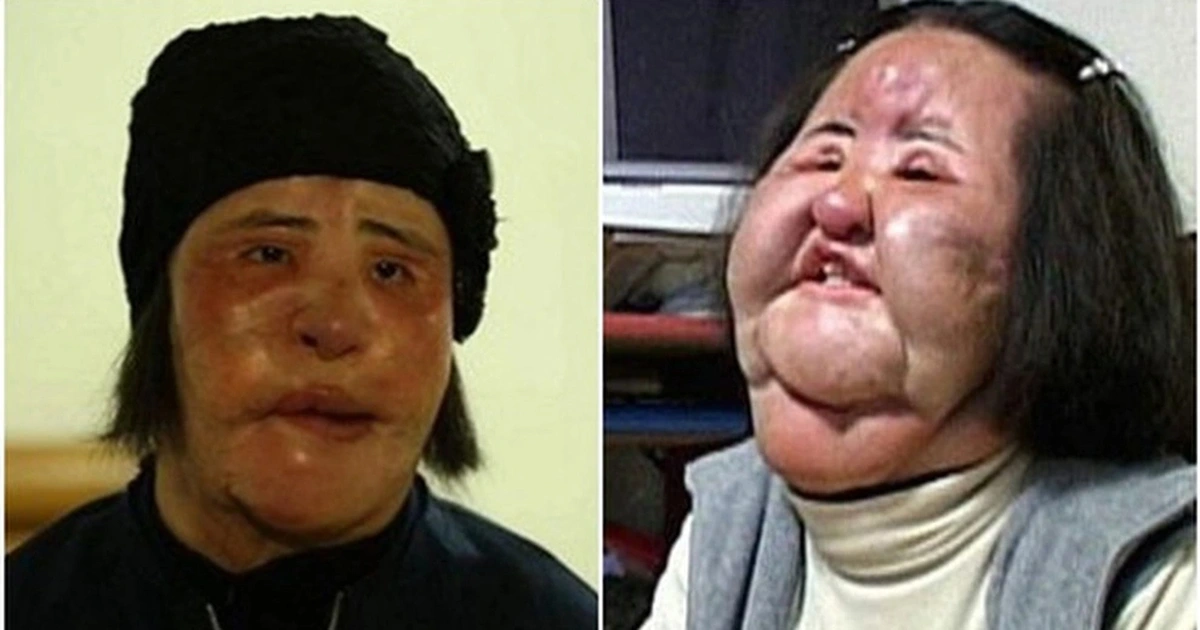
While her husband was subsequently sentenced to seven years in prison, Connie began a grueling medical marathon that would eventually make history. Left severely disfigured, she had to endure the heavy emotional toll of public life, including a heartbreaking moment in a grocery store when a child called her a monster. Instead of hiding, Connie gently used the moment to educate the child about the dangers of violence. Behind the scenes, her medical team at the Cleveland Clinic was preparing a radical solution. After she endured thirty preliminary reconstructive surgeries, a matching donor named Anna Casper became available in late 2008 following a fatal heart attack.
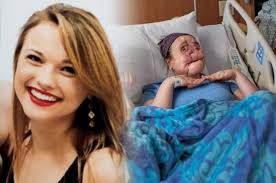
In December 2008, a massive medical team consisting of eight surgeons and dozens of specialized nurses embarked on a groundbreaking, 22-hour operation. The procedure marked the very first near-total face transplant in the United States. The operation was a monumental success, blending donor tissue with Connie’s remaining features to restore her ability to breathe normally, smile, smell, and enjoy solid foods once again. Though she faced a lifetime of immunosuppressant medications and complex psychological adjustments, Connie spent her remaining years using her new face to speak out against domestic violence and advocate for organ donation, transforming a story of domestic terror into an enduring legacy of human resilience and medical triumph.