The Fight for Harlow’s Sight: How a Tiny Birthmark Led to a Historic Medical Breakthrough
The Fight for Harlow’s Sight: How a Tiny Birthmark Led to a Historic Medical Breakthrough
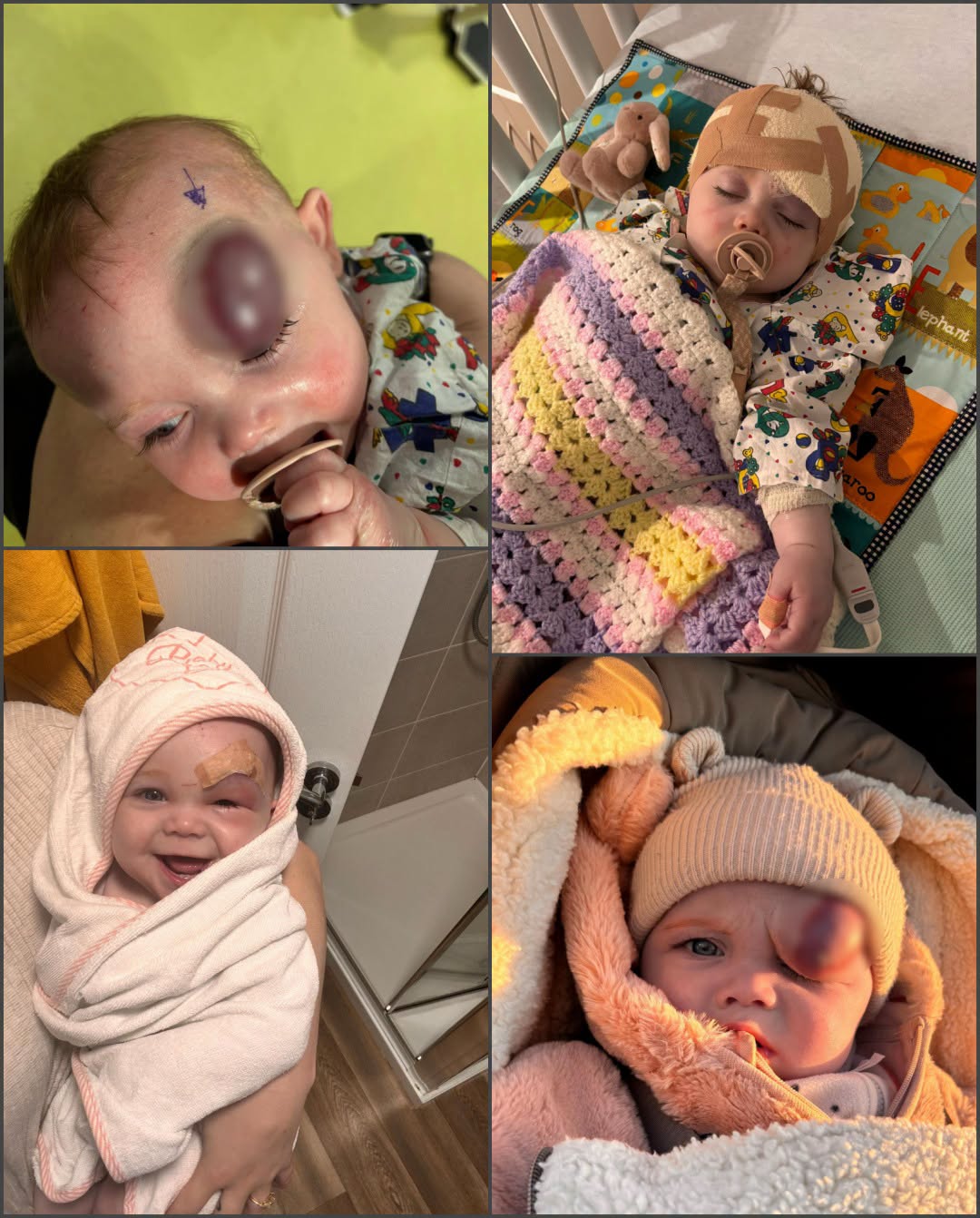
What began as a seemingly harmless small red mark on baby Harlow’s face quickly escalated into a complex, life-changing medical battle that tested her family’s resilience. Within weeks of her birth, the innocent blemish began to transform rapidly. Medical specialists officially diagnosed the condition as an aggressive hemangioma, an unusual and dense growth of extra blood vessels beneath the skin. While many hemangiomas remain superficial and manageable, Harlow’s growth developed with alarming speed directly adjacent to her eye. The rapidly expanding mass created significant pressure, threatening to permanently obstruct her developing vision and potentially cause irreversible damage to her sight.
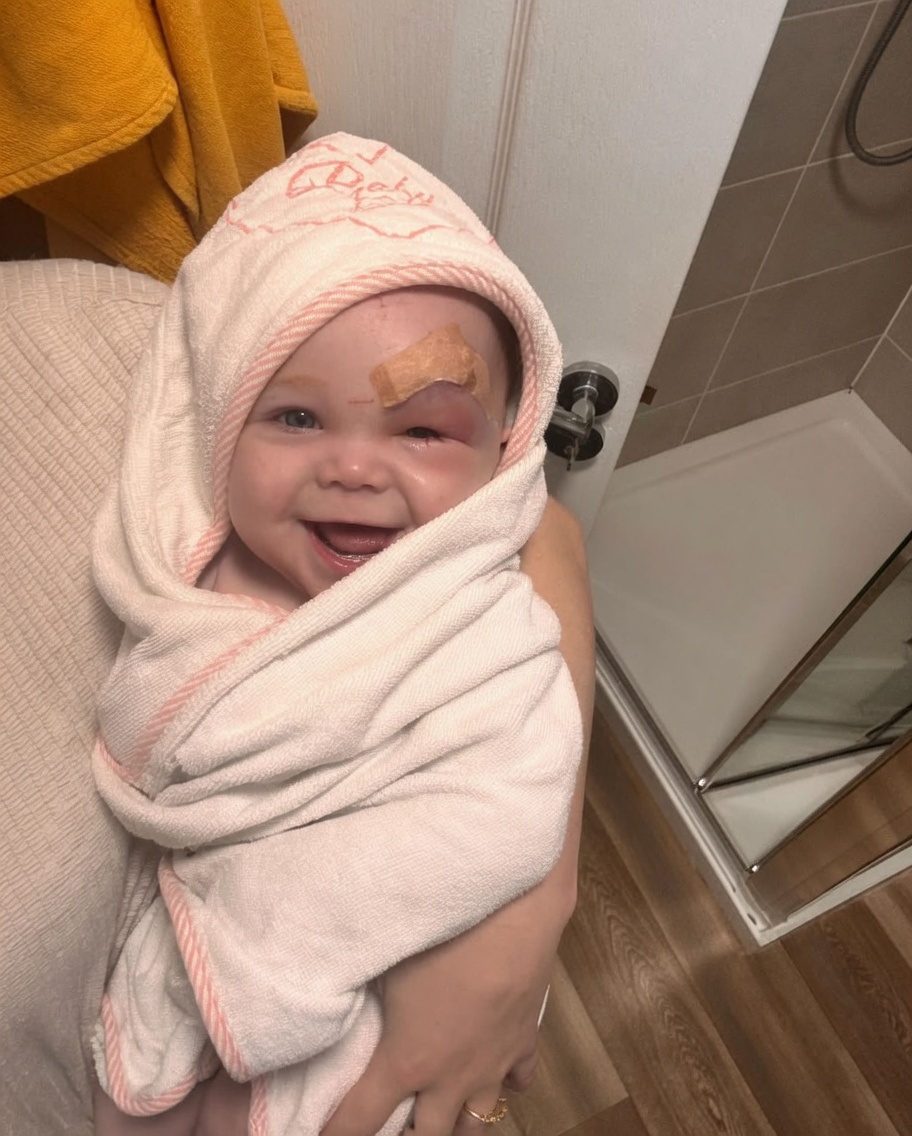
The diagnosis completely upended her family’s daily routine, shifting their lives into an endless cycle of high-stakes hospital visits, specialist consultations, and aggressive medical treatments. Beyond the clinical anxieties, the family had to navigate an emotional battlefield in public. They frequently faced the heartbreak of thoughtless stares, whispers, and intrusive assumptions from strangers who saw only the prominent vascular growth rather than the beautiful, vibrant infant underneath.
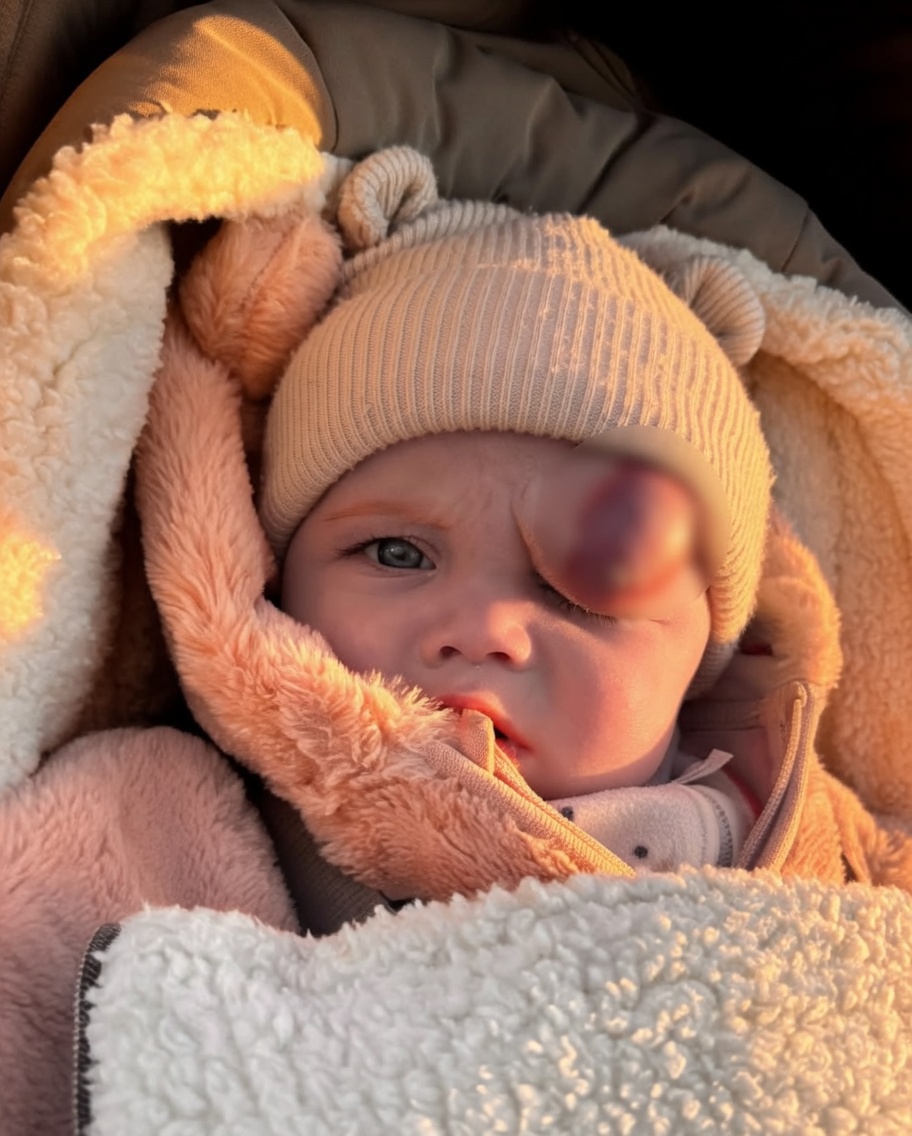
When standard non-invasive therapies ultimately proved ineffective at halting the growth, the medical team reached a critical crossroads. Surgery emerged as the only definitive option left to protect Harlow’s vision from permanent impairment. Because of the delicate nature of the blood vessels around the eye, the procedure carried immense risk for such a young infant.
In an extraordinary display of medical precision and courage, Harlow successfully underwent the highly specialized operation, officially becoming the youngest patient at her hospital to ever survive and recover from this specific, intricate procedure. Today, her recovery stands as a historic milestone for the hospital and a profound testament to the power of early medical intervention, proving that even the smallest fighters can overcome the most daunting physical challenges.