The Hidden Hazard in a Gentle Kiss: How a Common Virus Puts Young Children at Risk
The Hidden Hazard in a Gentle Kiss: How a Common Virus Puts Young Children at Risk
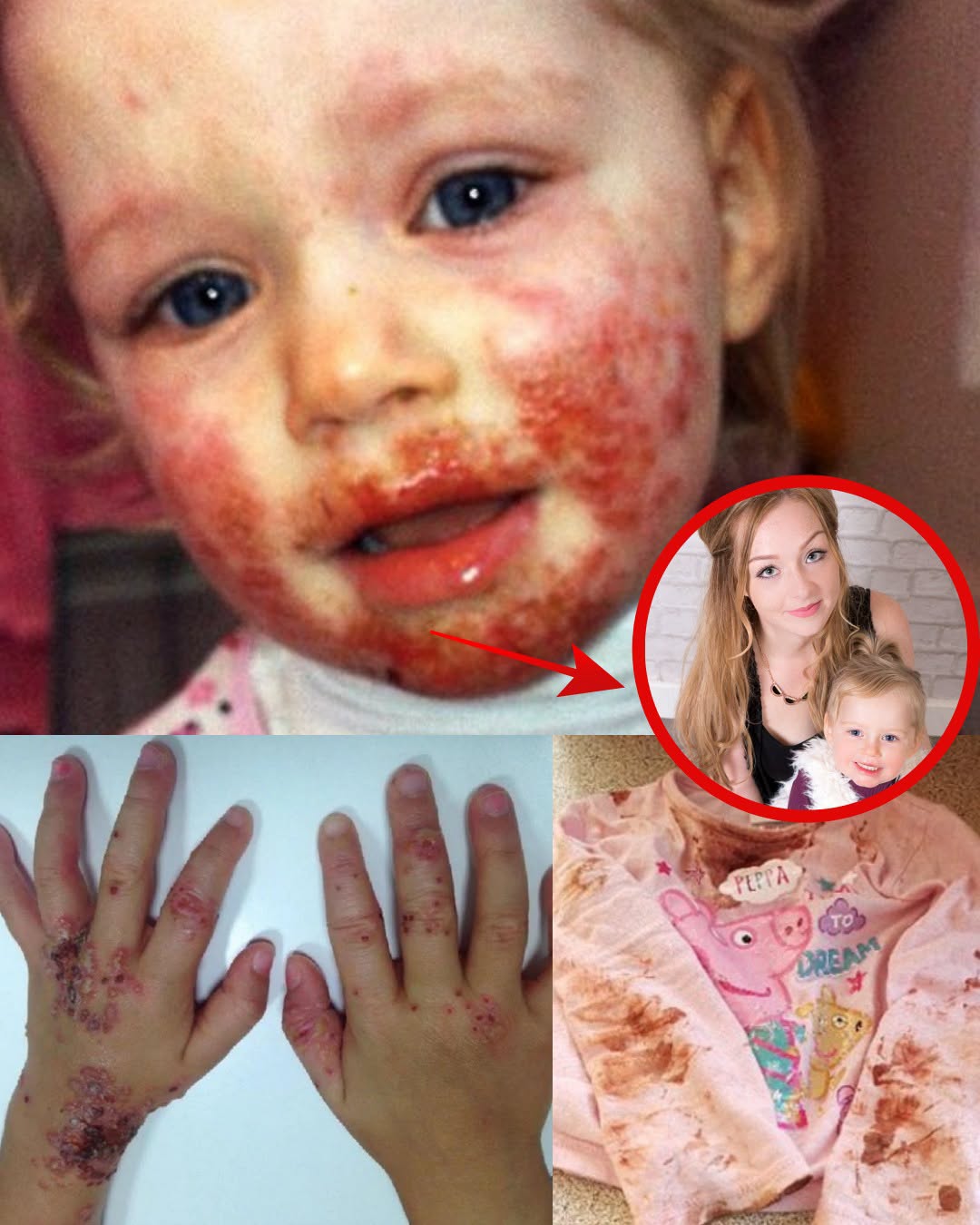
A recent medical case in Portugal has brought to light the silent but dangerous consequences of a seemingly harmless gesture of affection. A three-year-old girl contracted the herpes simplex virus directly from her father, who had kissed her while harboring a cold sore he believed was entirely harmless. Within days, the young girl developed painful, spreading sores across her face, eventually leading to a formal diagnosis of herpes. Fortunately, after ten days of targeted antiviral treatment, she was able to make a full recovery, but the incident has sparked urgent warnings from pediatricians worldwide.
While herpes is widely regarded as a minor, manageable skin irritation in adults, it poses a severe, sometimes fatal threat to young children, particularly infants under six months of age. Because a baby’s immune system is still developing, the virus can easily bypass their natural defenses, spreading rapidly through their bloodstream to vital organs. This can lead to catastrophic medical complications, including viral meningitis, permanent brain damage, organ failure, or even death. Often referred to in medical communities as the “kiss of death,” this risk is compounded by the fact that many adults carry the virus asymptomatically, meaning they can transmit it without ever showing a visible sore.
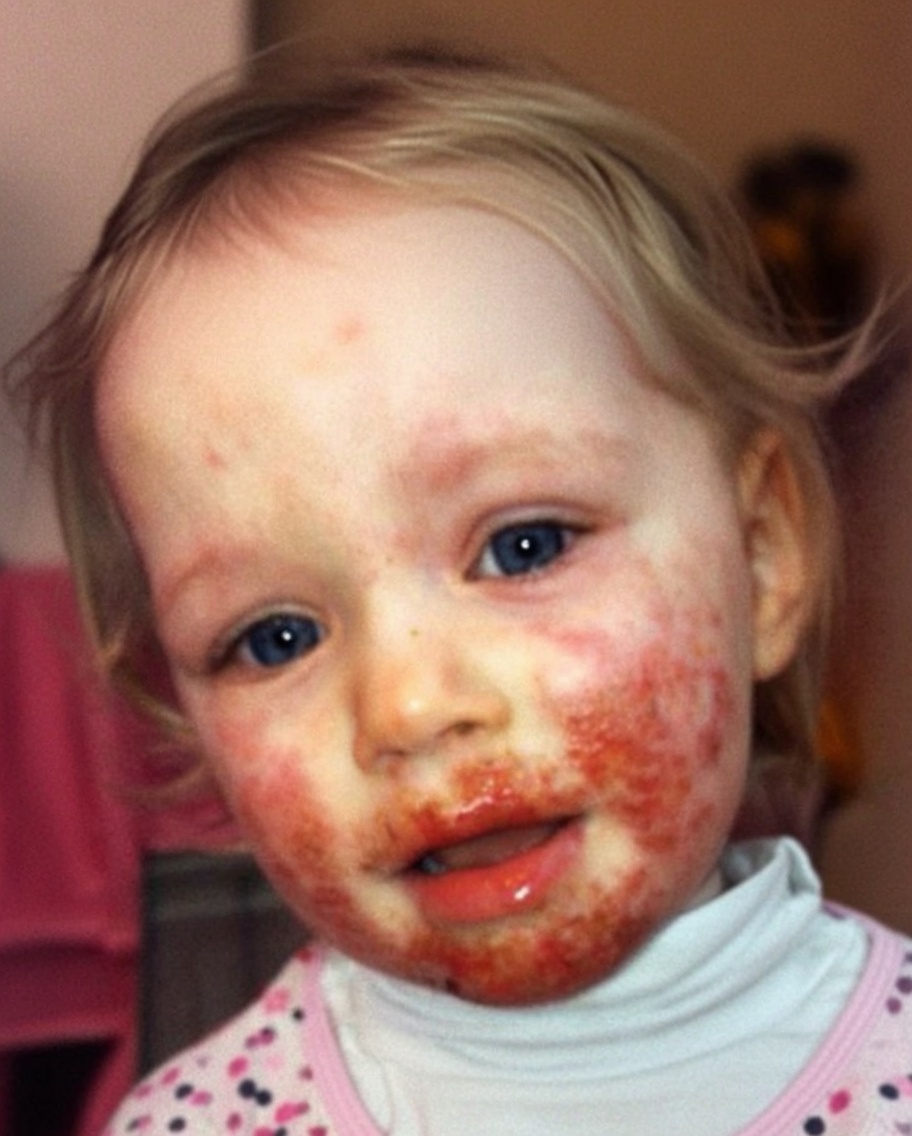
Similar devastating cases reported in the United Kingdom have highlighted how quickly a routine kiss can turn into a life-threatening pediatric emergency. Beyond the herpes virus, other highly contagious and severe infections, such as bacterial meningitis and respiratory syncytial virus (RSV), are also easily transmitted through saliva and close contact. To safeguard the most vulnerable, medical experts advise parents and relatives to avoid kissing infants on or near the mouth, practice strict hand hygiene, and ensure that anyone with an active cold sore stays at a safe distance until the infection has completely cleared.