The Agonizing Eighty-Day Delay: Why Confessed Suspects Walked Free for Months While a Grieving Family Waited for Justice

The Agonizing Eighty-Day Delay: Why Confessed Suspects Walked Free for Months While a Grieving Family Waited for Justice
The timeline surrounding the tragic death of Daniel Erving has raised disturbing questions about the pace of the investigation and the efficiency of the justice system. On April 17, the body of the bright honor roll student was pulled from the cold depths of Lake Ray Hubbard. Just three days later, on April 20, nineteen-year-old Lucas Roper sat in a police station for a voluntary interview. During this session, Roper made a stunning admission to detectives: he confessed that he had panicked and actively erased his digital communications with Daniel shortly after the disappearance to avoid getting into trouble.
Despite this clear admission of tampering with vital evidence in a death investigation, no immediate arrests were made. Instead, Roper and his accomplice were permitted to walk out of the police station and return to their normal daily routines. For nearly eighty days, the individuals linked to the final moments of Daniel’s life attended school, spent time with family, and lived in complete freedom. It was not until July 9 that law enforcement finally executed the arrest warrants, ending a nearly three-month period of liberty for the suspects.
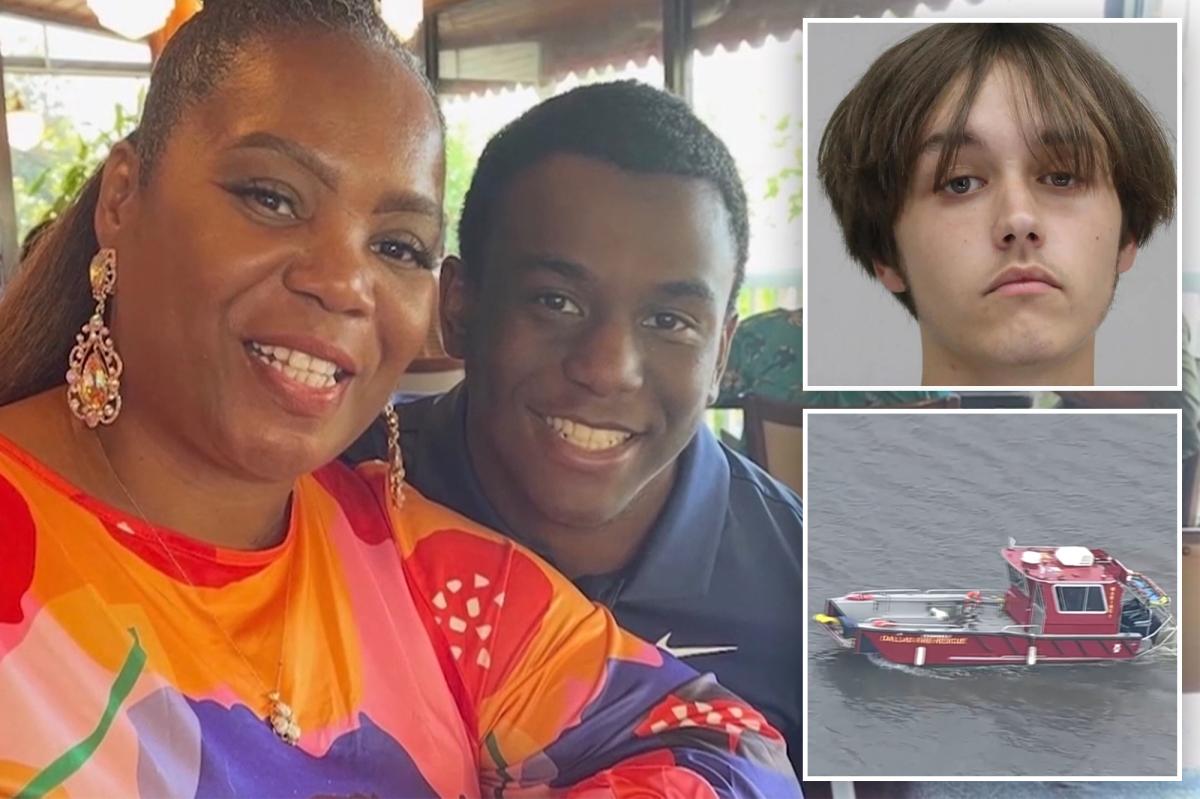
This lengthy administrative gap has sparked outrage, most notably from the Erving family’s attorney, Sean Daredia. He has publicly condemned the delay, questioning how individuals who left a young student at the bottom of a lake could be allowed to live without consequences for months. For the grieving family, every single day of those eighty days was a painful reminder of the justice they were denied, leaving them to wonder why a confessed cover-up was not enough to trigger immediate action by the authorities.