Christian Brueckner Remains a Suspect—but the Madeleine McCann Case Still Has No Charge

Topic sentence: Christian Brueckner has been publicly linked to Madeleine McCann’s disappearance for years, but suspicion alone has not provided prosecutors with enough evidence to take the case to court.
When German authorities publicly identified Christian Brueckner as a suspect in the Madeleine McCann investigation in June 2020, the announcement appeared to mark a major turning point.
For the first time in years, investigators were focusing on a specific person who had lived in Portugal’s Algarve region when Madeleine vanished.
Madeleine, then three years old, disappeared from her family’s holiday apartment in Praia da Luz on May 3, 2007. Despite extensive searches and international appeals, she has never been found.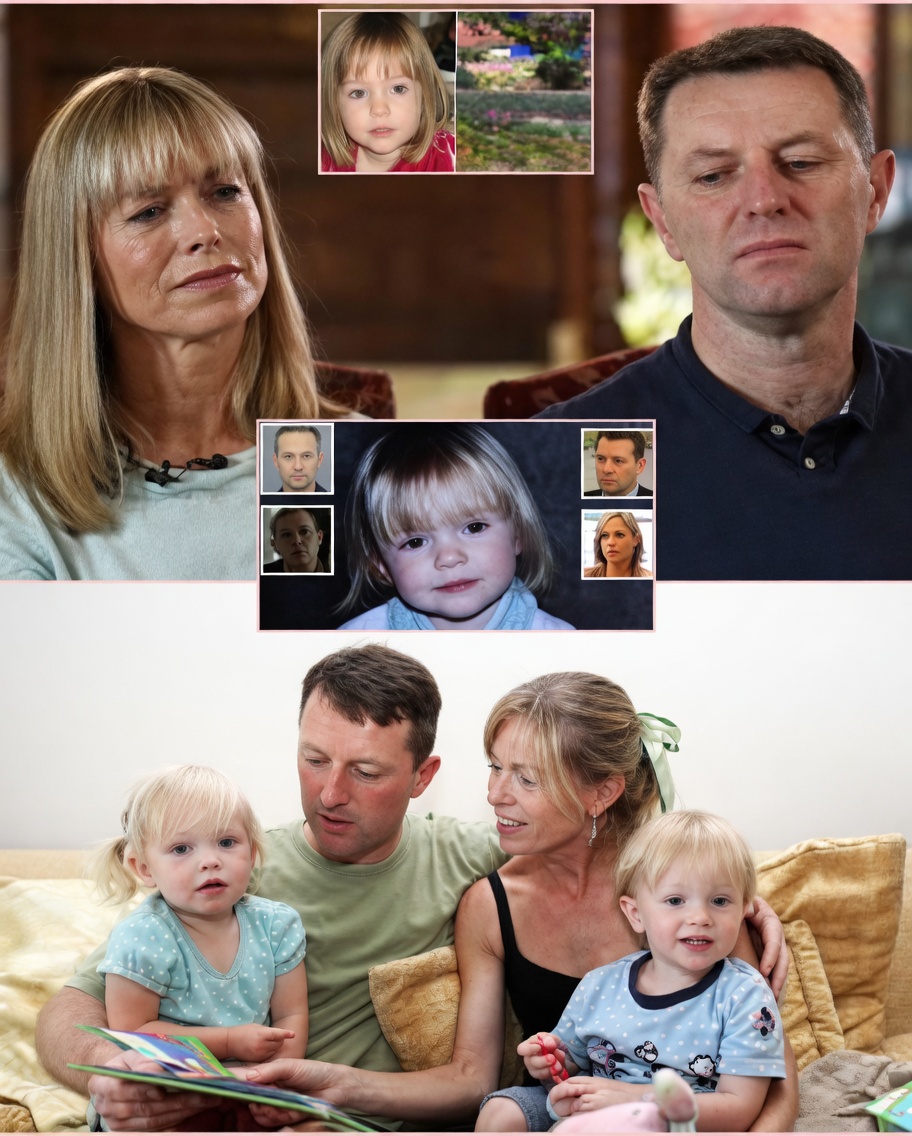
Why investigators focused on Brueckner
Brueckner had lived and travelled around the Algarve. Investigators examined his vehicles, former addresses, communications and movements in the region.
German authorities said they believed Madeleine was no longer alive and that Brueckner was probably responsible for her disappearance. In April 2022, Portuguese prosecutors formally designated him as a suspect.
However, the evidence supporting the investigators’ theory has never been fully disclosed to the public. There has also been no criminal charge connecting Brueckner directly to Madeleine.
Reuters reported in January 2025 that the German prosecutor investigating the case saw no immediate prospect of bringing charges against him.
This distinction is critical. Being described as a suspect does not mean a person has been proven responsible. A criminal case requires admissible evidence capable of surviving scrutiny in court.
Brueckner denies having any role in Madeleine’s disappearance.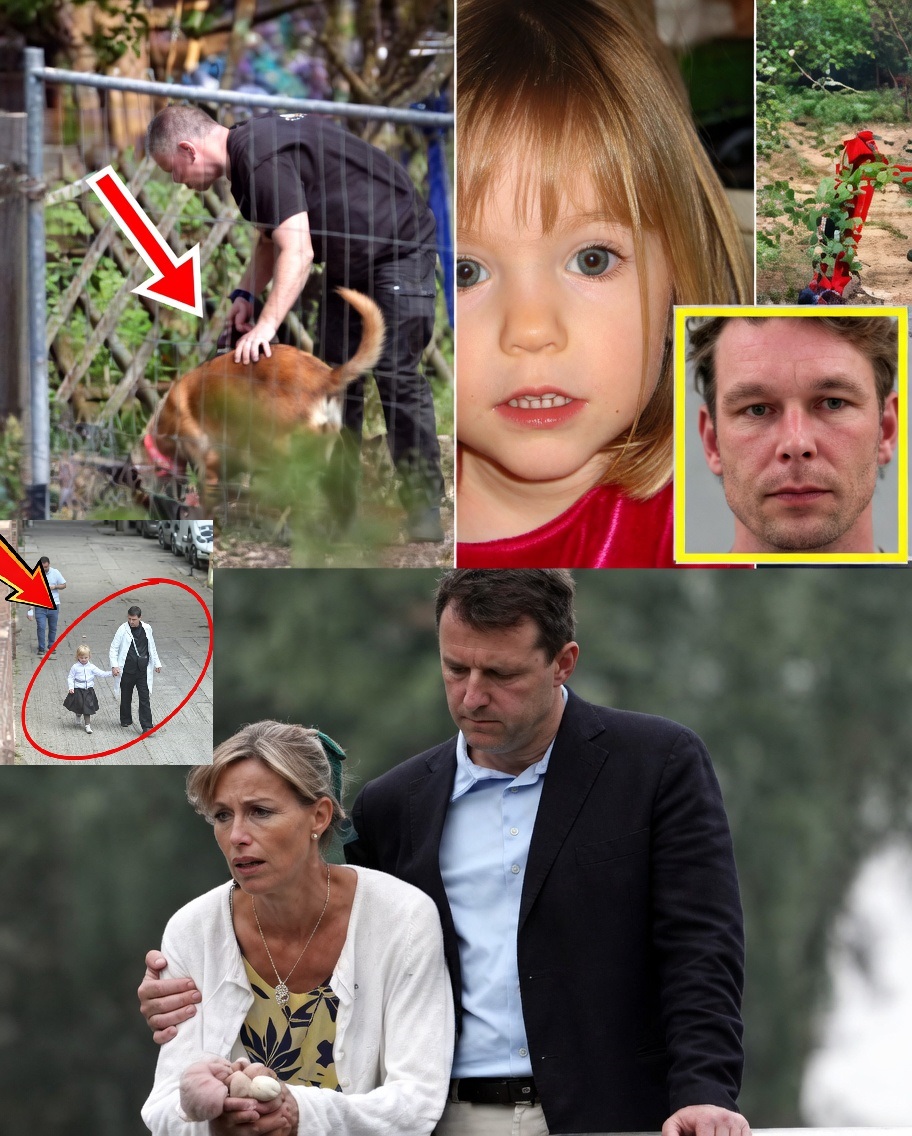
A new search before his release
In June 2025, Portuguese and German police returned to the Algarve for another coordinated search. Investigators examined dozens of hectares around Atalaia, including abandoned structures, wells and reservoirs.
The operation focused on an area between Praia da Luz and a property where Brueckner had reportedly lived.
When the search ended, authorities made no immediate announcement of a breakthrough. No publicly confirmed discovery connected Madeleine to the locations that had been examined.
The timing of the operation was significant because Brueckner was approaching the end of a German prison sentence imposed in an unrelated case.
Brueckner declines a British police interview
In September 2025, the Metropolitan Police confirmed that British investigators had requested an interview with Brueckner.
He refused.
Detective Chief Inspector Mark Cranwell said Brueckner remained a suspect in the British investigation. Officers would continue to pursue viable lines of inquiry while working with authorities in Portugal and Germany.
Two days after the interview request was publicly confirmed, Brueckner was released from prison after completing his sentence in the unrelated matter.
His release did not remove him from the investigation. It also did not establish that he was responsible.
Why has no charge been filed?
The difficulty may lie in the difference between intelligence and courtroom evidence.
Investigators may possess information that creates serious suspicion but cannot be admitted in court, independently verified or connected directly to Madeleine’s disappearance.
The case also presents major practical challenges. More than 19 years have passed. Witness memories can weaken, locations can change, physical evidence can deteriorate, and individuals connected to the area may move or become impossible to locate.
Most importantly, Madeleine has never been found.
Without publicly disclosed forensic evidence, a confirmed crime scene or a reliable witness directly connecting a suspect to the disappearance, prosecutors face a demanding legal burden.
An investigation without a conclusion
The Metropolitan Police’s official Operation Grange page continues to describe the inquiry as active. British investigators remain in contact with law-enforcement agencies in Portugal and Germany, and the Home Office continues to provide funding.
As of July 2026, Brueckner remains associated with the case as a suspect, but he has not been charged over Madeleine’s disappearance.
That leaves the investigation in a deeply uncertain position: police have a central theory, but the public has not seen the evidence necessary to transform that theory into a prosecution.
Until that changes, the Madeleine McCann case remains unresolved.